Indonesia’s Coal Demand in 2026 Forecast to Remain Stable, DMO Likely Unchanged
24 Nov 2025, 04:18 AM 728

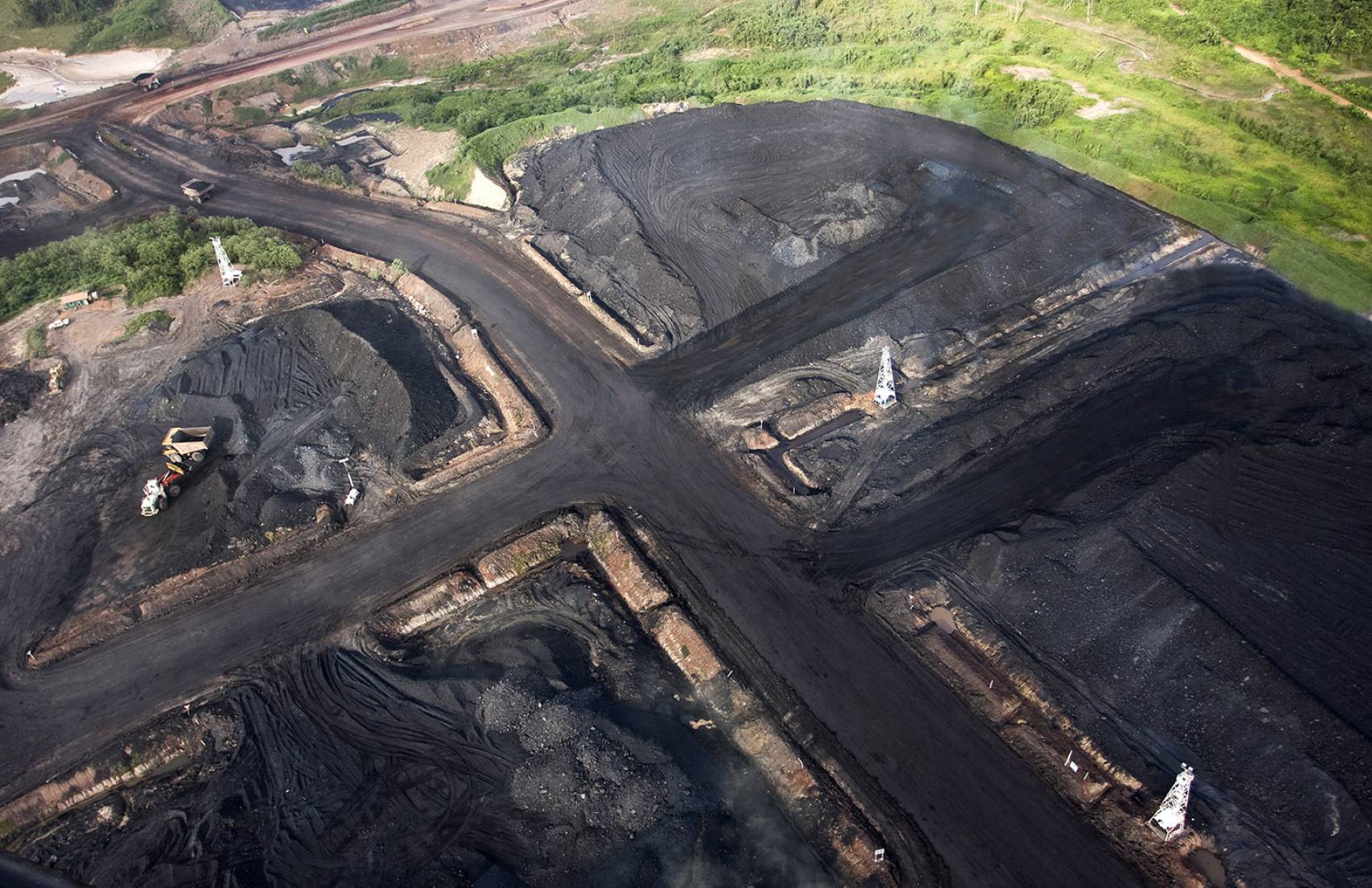
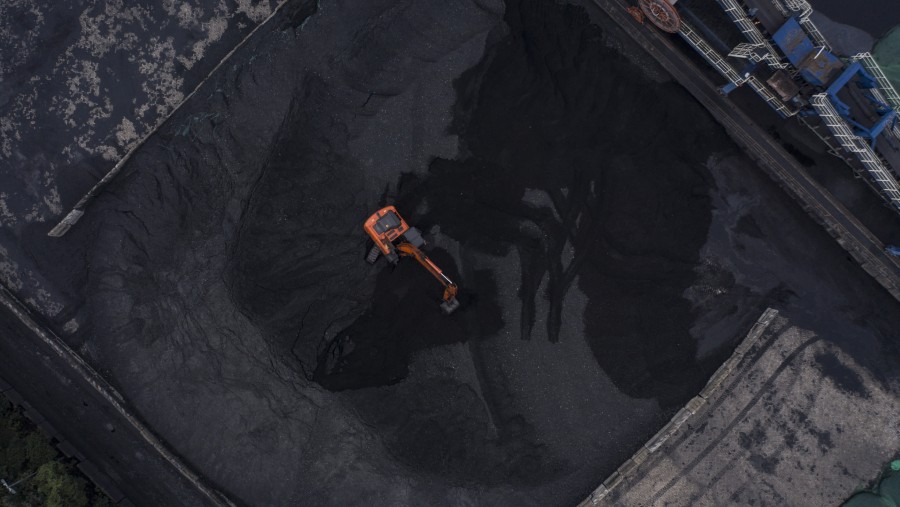
Industry experts predict that the domestic market obligation (DMO) volume for coal will not be changed in 2026, even though there is a plan to widen the mandatory domestic supply portion in line with the discourse of cutting Indonesia’s coal production next year.Rizal Kasli, Chair of the Indonesian Engineers Association’s Mining Engineering Board, believes that expanding the Domestic Market Obligation (DMO) quota is necessary if the government is serious about cutting coal production.The reason is that if the DMO portion remains 25% while production is reduced, the absolute DMO volume will decline and thus will not meet domestic needs.“For example, so far 25% has been set as the DMO from each company’s total coal production. If production is 850 million tons, then the DMO is 212.5 million tons. However, if the government’s planned production drops, say, to 750 million tons while DMO needs are 230 million tons, then the DMO that must be set is 30% of total production,” Rizal said when contacted on Monday (Nov 24, 2025).It’s not the percentage that should serve as the benchmark, but the actual needs and the production level the government aims for,” he stressed.He believes the ideal DMO portion must be based on domestic needs—whether for the electricity sector, cement, fertilizer, or other industries.“So the government can calculate precisely how much DMO needs to be set,” he said.Stable DemandSeparately, the Chairman of the Indonesian Mining Professionals Association (PERHAPI), Sudirman Widhy Hartono, projects that domestic coal demand will still be around 200 million tons next year, judging from the consumption trend since 2024.He explained that domestic coal consumption in 2024 reached 233 million tons, while this year it is estimated at 220 million tons.Therefore, with no plans to increase power plant capacity, Indonesia’s coal consumption in 2026 is predicted to move within that range.“In our view, national domestic coal demand next year will not differ much from this year, given that PLTU (coal-fired power plant) capacity in Indonesia is not increasing,” said Sudirman.“Domestic coal consumption in non-power sectors such as cement, fertilizer, and smelters also does not show any significant increase.”Sudirman also views the discourse on raising the DMO portion as being promoted because the government wants to cut coal production next year.“Whatever the new DMO percentage figure is, we hope it is done proportionally to ensure fairness for all coal mining companies, and that it can be absorbed by the domestic market,” Sudirman emphasized.The Ministry of Energy and Mineral Resources (ESDM) is planning to cut next year’s coal production target, while opening the option of raising the mandatory domestic supply portion.The plan to cut production and the option to increase the DMO are currently under evaluation in line with the deadline for mining companies to submit their 2026 Work Plan and Budget (RKAB).ESDM’s Director General of Minerals and Coal, Tri Winarno, opened the possibility that Indonesia’s coal production target next year will be lowered to below 700 million tons, or lower than this year’s target of 735 million tons.Tri explained that if coal production is cut and the DMO percentage remains the same, the volume of coal that must be supplied to the domestic market will actually decrease. Thus, the idea of raising the DMO portion is being pursued to balance this.“Logically, if demand is roughly the same, the [DMO] percentage is raised, which means production is lowered. As to how far [to raise the DMO portion], that hasn’t been decided,” Tri said at the parliamentary complex on Thursday (Nov 13, 2025).The ESDM has set this year’s coal production target at 735 million tons. From January to September 2025, ESDM recorded Indonesia’s coal production at 585 million tons, contracting 7.47% year-on-year.Meanwhile, Statistics Indonesia (BPS) reported that coal export performance from January to September 2025 fell 20.85% to USD 17.94 billion, or around IDR 298.79 trillion (assuming IDR 16,655 per US dollar).In volume terms, coal exports declined 4.74% to 285.23 million tons through September 2025, lower than the 299.41 million tons in the same period last year.As a note, the latest rules on coal DMO are stipulated in Government Regulation (PP) No. 39 of 2025, a derivative regulation of Law No. 2 of 2025 on Minerals and Coal.In that regulation, the government affirms the obligation to supply coal to state-owned enterprises that manage the electricity, energy, fertilizer sectors, and other national strategic industries.

Green Nickel Transformation Strengthens Indonesia’s Position in Critical Minerals
23 Nov 2025, 04:25 AM 266

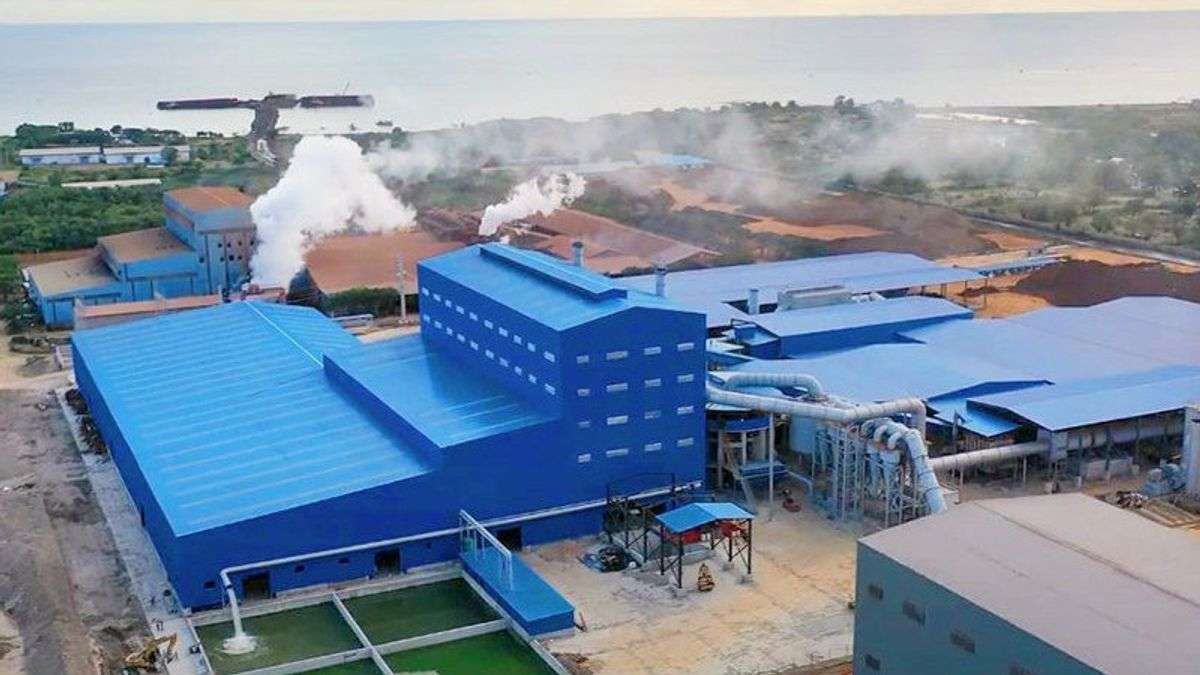
At the COP30 World Climate Change Conference, MIND ID Group emphasized that the future of Indonesia’s nickel industry can only be sustainable if it is built on a green foundation and low-carbon technology. PT Vale Indonesia Tbk, a member of MIND ID, stated that the shift toward green nickel is essential for Indonesia to strengthen its position as a global player in critical minerals amid the energy transition.In a COP30 panel discussion, PT Vale Indonesia Tbk’s Director and Chief Sustainability and Corporate Affairs Officer, Budi Awansyah, emphasized that Indonesia’s contribution to the global climate agenda cannot be measured merely by the size of its critical mineral reserves. What matters more is how the nickel industry is managed with environmental and sustainability standards capable of meeting global expectations.Budi noted that Indonesia holds more than 40 percent of the world’s nickel reserves, making it a strategic hub in the supply chain for electric vehicles and batteries. However, he believes public perceptions of the mining sector are still colored by concerns over landscape changes and pressure on forests. Therefore, transforming into a green industry must be a consistent and measurable priority.Addressing COP30 participants, Budi underscored that smelters are among the largest emitters in the extractive industry. Consequently, if Indonesia wants to lead the global critical-minerals ecosystem, the national nickel industry must first demonstrate leadership through low-carbon operations, energy efficiency, and tighter governance.According to Budi, PT Vale Indonesia Tbk has implemented a range of decarbonization measures—using clean energy such as hydropower, improving smelter efficiency, optimizing waste-heat recovery, and utilizing CO gas and hydrogen in production processes.In addition, Vale has recorded tangible environmental performance: water use of 8,498.94 megaliters with an intensity of 0.12 megaliters per ton of nickel; and the reuse of 510 m³ of recycled water at the Lamella Gravity Settler facility as a feedstock for ferrous sulfate solution.On waste management, the company has repurposed 1,453 tons of hazardous (B3) waste and 377,964 tons of non-hazardous nickel slag into construction materials and mine-road surfacing. For this consistency, Vale received the PROPER Gold award from the Ministry of Environment and Forestry, making it the only integrated nickel mining company to earn the highest distinction in 2024.“Achievements such as recycled-water utilization, responsible waste management, and the PROPER Gold award prove that a low-carbon transformation is not just rhetoric but already a real practice in the field,” Budi said.In his presentation, Budi also highlighted Vale’s sustainability score declining to 23.7, the lowest in the history of global smelter operations. According to him, this shows that the low-carbon transformation is not mere rhetoric but has been applied concretely in the company’s operations.These achievements, he continued, align with MIND ID’s vision to make Indonesia a regional leader in a globally competitive green-nickel industry.Through the COP30 forum, the MIND ID Group reiterated that Indonesia’s strength in critical minerals lies not only in resource availability but also in its ability to build supply chains that meet international standards and align with the Net Zero Emission target and Nationally Determined Contribution (NDC).With the momentum of COP30, MIND ID affirmed that Indonesia is ready to take a bigger step—not just as a nation rich in strategic minerals, but as one committed to leading the global critical minerals market through low-carbon technology, sustainable operations, and a more deeply integrated green-nickel ecosystem.

UNTR to Complete Doup Acquisition & Eyes Gold Mines in Australia
21 Nov 2025, 07:46 AM 450

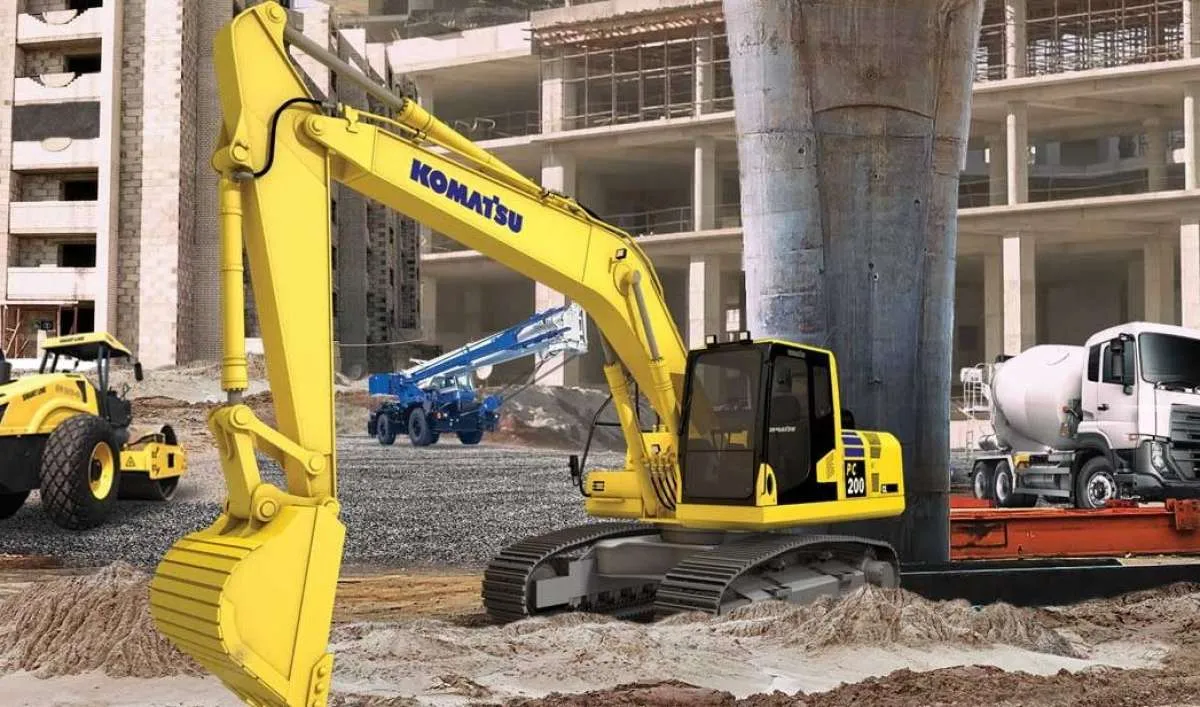
PT United Tractors Tbk (UNTR) continues to refine its gold business through an expansion strategy. The Astra Group is finalizing the acquisition of a gold mine in North Sulawesi while also seeking acquisition opportunities in Australia.United Tractors’ Corporate Secretary, Ari Setiyawan, revealed that UNTR is completing the acquisition of the Doup Project, one of the gold mines owned by PT J Resources Asia Pasifik Tbk (PSAB). This corporate action is scheduled to be completed no later than December 23, 2025.“Hopefully we can close in December. We already have a CSPA (Conditional Share Purchase Agreement), followed by the fulfillment of conditions precedent. If all goes smoothly, we expect completion by December 23 at the latest—or sooner,” Ari said after a Media Visit to Besai Kemu in Lampung on Thursday (Nov 20, 2025).In a disclosure to the Indonesia Stock Exchange on September 12, 2025, UNTR—through PT Danusa Tambang Nusantara (DTN)—signed a Conditional Share Purchase Agreement with PT J Resources Nusantara (JRN) to purchase 99.99996% of the shares of PT Arafura Surya Alam (ASA) owned by JRN.In addition, UNTR’s controlled subsidiary PT Energia Prima Nusantara (EPN) also signed a Conditional Share Purchase Agreement with Jimmy Budiarto to purchase 0.00004% of ASA shares owned by Jimmy and 0.2% of PT Mulia Bumi Persada (MBP) shares also owned by Jimmy.The total enterprise value of this transaction is USD 540 million. For context, ASA operates the Doup gold mine located in North Sulawesi. Jimmy Budiarto is the President Commissioner and controlling shareholder of PSAB.UNTR is not only targeting domestic gold mines; it is also eyeing overseas acquisitions, namely in Australia. Ari said UNTR has identified several Australian mining assets in its acquisition pipeline. However, UNTR and potential sellers have not yet reached an agreement.Last month, UNTR opened an Australian representative office in Perth to further explore potential acquisitions of gold assets on the continent. UNTR does not rule out looking at other critical minerals as well.“We now have a representative office to better introduce (United Tractors). There are many prospects there that need closer engagement. They act as our extended arm to scout opportunities,” Ari said.Expansion in the gold business is part of UNTR’s strategy to achieve a balanced revenue contribution from non-coal businesses by 2030. Currently, around 60% of UNTR’s revenue still comes from coal-related businesses.To reach a 50:50 split between coal and non-coal revenue by 2030, UNTR is seeking assets that can deliver substantial contributions from non-coal segments.“This is to balance the portfolio. Coal is already large; now we’re looking for significant minerals. There aren’t many large-prospect mines left in Indonesia, so we see many potential assets there (in Australia),” Ari explained.Ari is confident UNTR can continue to increase the revenue contribution from non-coal businesses. This strategy will be pursued through acquiring new assets as well as expanding existing facilities or assets. “We’re accelerating (the contribution) from non-coal—this can come from minerals like nickel and gold, and also from renewable energy,” Ari emphasized.In the renewable energy segment, UNTR is expanding through its subsidiary PT Energia Prima Nusantara (EPN). EPN Director Boy Gemino Kalauserang said the company continues to explore potential projects across various types of renewables.Expansion will be carried out through subsidiaries, including PT Arkora Hydro Tbk (ARKO) and others. One project that EPN is ready to undertake is a Hydropower Plant (PLTA) in Aceh.The 18-Megawatt (MW) project is being developed by EPN’s subsidiary, PT Redelong Hydro Energy (RHE). Boy said RHE has already won the tender and is awaiting a Letter of Agreement (LoA) with PT PLN (Persero). “In essence, we are exploring projects in the pipeline that appear promising,” Boy explained.Beyond new projects, EPN is also optimizing existing assets—one of which is the Besai Kemu Mini-Hydro Power Plant (PLTM) in Way Kanan, Lampung.The PLTM, with a capacity of 2 × 3.5 MW, is operated under EPN’s subsidiary PT Uway Energi Perdana (UEP). UEP President Director Asep Iwan Gunawan explained that the Besai Kemu PLTM consistently supplies 33.4 GWh of electricity per year to PT PLN (Persero).With relatively high rainfall this year, electricity production from the Besai Kemu PLTM is set to surpass 40 GWh. Asep estimates that by the end of 2025, green power output from Besai Kemu could reach 44.5–45 GWh.“We have exceeded our target to PLN, as our plan promised around 39 GWh for this year—and we’ve already surpassed it,” Asep said.

Downstream Investments Reach IDR 431.4 Trillion After Export Ban Reinforcement
20 Nov 2025, 03:53 PM 558

The Government of the Republic of Indonesia recorded downstream investment realization of IDR 431.4 trillion from January to September 2025. This marks a 58.1 percent increase compared to the same period last year.This surge followed the tightening of government policy that no longer permits the export of raw materials. The government also requires processing to be carried out domestically.Deputy Minister of Investment and Downstreaming, Todotua Pasaribu, explained that downstreaming has become the main foundation of Indonesia’s economic transformation.“We have adopted a policy that no longer allows natural resources to be exported in raw form. At the very least, the first-tier process must be done domestically,” he said at the Antara Business Forum in Jakarta, Wednesday, November 19, 2025.Todotua noted that downstreaming has become a national policy framework strategically designed by the Ministry of Investment and Downstreaming.The government has created a roadmap covering 28 priority commodities in eight major groups, aiming to attract export-oriented investment and create greater added value for the national economy.Todotua said the increase in realized investment reaching IDR 431.4 trillion was driven primarily by the mineral sector, followed by plantations and forestry, oil and gas, and fisheries.This achievement signals a structural shift in Indonesia’s investment composition. “Last year, the total was only around IDR 42.9 trillion. This year’s increase proves that downstreaming has a direct impact on boosting national investment,” he said.Todotua discussed how Indonesia’s wealth of natural resources is a major asset that many countries do not possess.With a population of more than 280 million and a geopolitical position along the backbone of global trade routes, he believes Indonesia has a strategic opportunity to accelerate industrialization.“Indonesia is extraordinary. What the world needs is here. We sit on the east–west and north–south geopolitical backbone, with ALKI II as a driver of the international economy,” he said.The nickel sector is also one of the industrial chains whose downstream structure is nearly complete, from smelters to the battery industry.The government is now organizing the downstreaming of bauxite, copper, and tin so that the domestic supply chain becomes stronger and less dependent on external markets.Todotua also cautioned that uncontrolled smelter development carries the risk of creating overcapacity and eroding product competitiveness in the long term.In the energy sector, the government is accelerating coal gasification projects. Todotua said the coal-to-synthetic-gas project being carried out by Bukit Asam with PDN and Pusri will be directed toward ammonia and methanol production, while also reducing currently high import levels.“Our methanol imports are still 2.2 to 3 million tons, even though we have gas and coal. Demand is rising because the B40 program requires methanol to be blended with CPO. We need to catch up with countries like China, where 40 percent of coal is used for derivative products,” he said.The acceleration of downstreaming is also evident in the ecosystem being developed by MIND ID. In the aluminum sector, Phase 1 of the Smelter Grade Alumina Refinery (SGAR) has officially begun operations.Going forward, the facility in Mempawah will be further strengthened by SGAR Phase II and a new Aluminum Smelter currently under construction. These steps are expected to meet domestic alumina needs and reduce import dependence.In the tin sector, PT Timah is finalizing downstream products ranging from solder to tin chemicals to enter the global electronics, automotive, and chemical markets.Meanwhile, PT Vale Indonesia continues to expand investment to strengthen production of nickel matte and low-carbon derivative products as part of the electric-vehicle battery ecosystem through three strategic projects: the Indonesia Growth Project (IGP) in Pomalaa, Morowali, and Sorowako. These projects are key milestones for expanding nickel capacity while laying the foundation for Indonesia’s EV industrial ecosystem.At the same time, PT Freeport Indonesia is preparing to enhance copper downstreaming via the Gresik Smelter and Precious Metals Refinery (PMR), which form a vital foundation for the electricity, renewable energy, and global technology industries.Todotua said MIND ID’s downstream projects are the backbone of the government’s efforts to build a comprehensive supply chain for strategic minerals from upstream to downstream.The government estimates that downstreaming will deliver economic impacts through 2040, with investment reaching USD 618 billion and added value of USD 235.9 billion, along with cumulative export potential of USD 857 billion and the creation of more than three million jobs.“Downstreaming is the strategy to ensure Indonesia is no longer positioned as a raw-material exporter, but becomes a key player in global value chains,” Todotua said.

SUN Energy Accelerates ‘Green Mining’ Adoption Through Integrated Solutions
19 Nov 2025, 04:00 PM 434

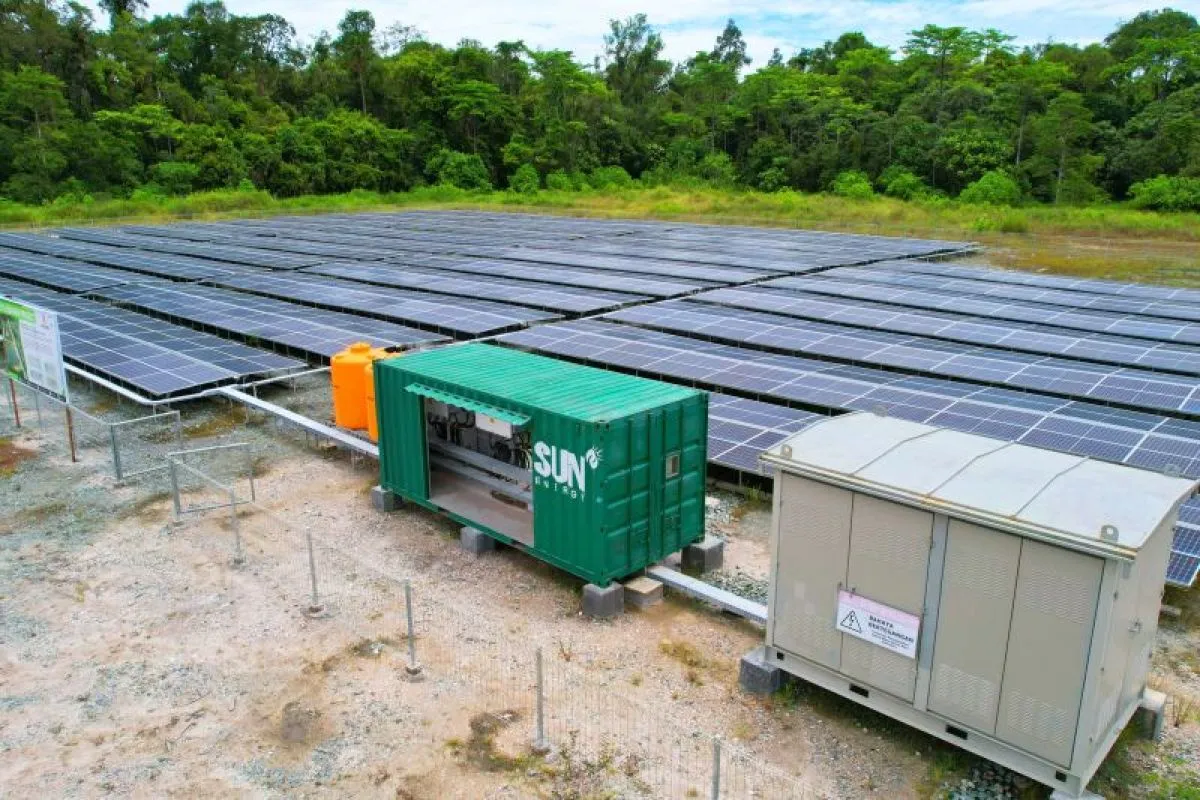
PT SUN Energy is committed to strengthening strategic support for the government’s efforts to accelerate the decarbonization of Indonesia’s mining industry by implementing a renewable energy–based green mining concept through a range of integrated energy solutions.SUN Energy CEO Emmanuel Jefferson Kuesar is optimistic that the various solutions offered by the company can help Indonesia’s mining sector meet sustainability targets while maintaining operational cost efficiency.“Through innovation in clean, low-emission energy technology, SUN Energy and our business ecosystem are committed to acting as a catalyst for transforming Indonesia’s mining industry into a greener and more sustainable industry,” he said in an official statement received in Jakarta on Tuesday.Emmanuel noted that mining sites in Indonesia are generally located in remote (off-grid) areas and are highly dependent on diesel engines as their source of electricity.This dependence, he continued, causes fuel costs to swell, accounting for 25 to 40 percent of total operating costs, and even approaching 50 percent at mines with high energy usage.To address this, the company is delivering Solar Power Plant (PLTS) solutions integrated with Battery Energy Storage Systems (BESS), one of which has been realized through collaboration with PT Cipta Kridatama.He stated that this technology can significantly reduce fuel consumption and energy logistics costs, while ensuring a stable 24-hour power supply.In addition, there is also the Solar PV Roll Up technology implemented at PT Berau Coal. This roll-up solar panel technology is specifically designed to support mining activities that relocate frequently, making it easy to dismantle, reassemble, and move between sites.To support environmentally friendly mining activities, Emmanuel said the company also offers Sustainability-as-a-Service, which includes fleet electrification and water management.These services include Fleet-as-a-Service (FaaS) for providing electric vehicles for mine operations, scheduled to begin operating at the end of 2025 at one of Indonesia’s major mining companies.Another service is sustainable water management, including at PT Berau Coal, which uses ultrafiltration and reverse osmosis systems to purify process water so it can be reused.These various initiatives align with the government’s commitment toward Net Zero Emissions 2060 and the implementation of Good Mining Practice in accordance with Law No. 3 of 2020 on Mineral and Coal Mining.To date, SUN Energy’s clean energy solutions have been implemented at more than 15 mining locations across Indonesia.“The transition to green mining is not just about switching energy sources, but about building a new foundation for an efficient, low-emission, and long-term resilient industry,” said Emmanuel Jefferson Kuesar.

IDR 133 Trillion New Investments at IWIP (Batteries to Aluminum)
17 Nov 2025, 03:57 PM 511

A number of downstreaming and clean energy projects are being developed at the Indonesia Weda Bay Industrial Park (IWIP) in Central Halmahera, North Maluku.The total value of new investment in the industrial estate reaches around USD 8 billion or IDR 133.76 trillion (assuming an exchange rate of IDR 16,720 per USD). The arrival of these new investments further completes the supply chain, particularly nickel downstreaming, within the IWIP industrial area.In detail, the investment consists of three projects. First, a battery ecosystem and nickel downstreaming project with an investment value of approximately USD 5 billion.This project will produce mixed hydroxide precipitate, nickel sulfate, cobalt sulfate, and nickel precursor, with development extending to electric vehicle (EV) batteries, electric trucks, and electrically powered heavy equipment. Initial production is targeted for early 2026.Second, a green energy project worth USD 2 billion that includes the development of a 2-gigawatt (GW) solar power plant (PLTS) and a 500-MW wind power plant (PLTB). The development of these renewable energy plants is underway and will be carried out in stages.In addition, the green energy project also includes the development of a solar panel manufacturing industry with planned production in 2027–2028.Third, Phase 1 of an Electrolytic Aluminum Smelter project with an investment of around USD 1 billion. This smelter will produce electrolytic aluminum. Initial production is targeted for late 2025.Beyond these three strategic projects, IWIP is also preparing the development of a Green Energy Zone and a transformation toward a sustainable industrial park, focusing on digitalization, energy efficiency, and the utilization of new and renewable energy (EBT).The development of the Weda Bay industrial area has also driven an increase in investment flows into North Maluku. In the second quarter of 2025, realized investment in the province reached IDR 19 trillion. Most of this investment came from foreign direct investment (FDI) in the basic metal industry and processing facilities located within IWIP.“The strong interest from global investors indicates the long-term prospects of nickel downstreaming in Indonesia, while also showing that the presence of IWIP and WBN [PT Weda Bay Nickel] contributes to strengthening the investment climate, expanding processing industries, and spurring regional economic growth,” said IWIP General Manager of External Relations Yudhi Santoso, Sunday (November 16, 2025).North Maluku’s economy has shown rapid development in recent years. Bank Indonesia (BI) data show that the province’s economy grew by 32.09% year-on-year in the second quarter of 2025, making it the fastest-growing province in Indonesia.BI also noted that this acceleration was driven primarily by downstreaming and nickel processing activities in the Weda Bay area, involving WBN in the mining sector and IWIP as the processing industry hub.This economic transformation is also reflected in the province’s gross regional domestic product (GRDP) structure. The manufacturing sector now contributes 40.11% to North Maluku’s economy, followed by the mining sector at 20.79%.“IWIP and WBN will continue to support North Maluku’s sustainable development, not only through contributions to the regional economy, but also by providing employment opportunities for the community,” Yudhi said.As of early 2025, WBN and IWIP had employed more than 81,000 direct workers, 80% of whom are from North Maluku.

EMAS Begins Ore-Feeding Operations at the Pani Gold Mine
17 Nov 2025, 03:26 PM 662

PT Merdeka Gold Resources Tbk (EMAS) announced that ore feeding at the Pani Gold Mine, Pohuwato Regency, Gorontalo Province officially began on November 12, 2025. This marks the start of the processing plant’s operational phase and a key milestone in EMAS’s transition toward its first gold pour, targeted for the first quarter of 2026.EMAS President Director Boyke Poerbaya Abidin said ore feeding marks a new chapter for EMAS as it moves from construction into operations. “We are grateful the project is progressing as planned toward first gold production in early 2026. This is the result of our entire team’s hard work and stakeholder support. We are committed to operating the mine safely, efficiently, and sustainably, delivering real benefits for investors and the community,” Boyke said in a press release in Jakarta, Monday (November 17, 2025).As of the end of October 2025, construction of the Pani Gold Mine had reached 83% completion, covering key facilities such as the heap leach pad, ADR plant, and supporting infrastructure. As part of its commitment to climate action and emissions reduction, EMAS has signed an agreement with PLN to use electricity from renewable sources through the Renewable Energy Certificate (REC) scheme.The Pani gold mine has ore reserves of 190 million tons containing approximately 4.8 million ounces of gold, derived from a Mineral Resource Estimate of 292.4 million tons containing more than 7 million ounces of gold.“Pani will become one of the largest primary gold mines in Indonesia. The project is designed as a low-cost mine with a long operating life,” Boyke continued.Boyke further stated that as part of the MDKA Group, EMAS plays a strategic role in strengthening Merdeka’s multi-metal portfolio. The success of Pani will solidify EMAS’s position as a leading national gold producer, while enhancing Merdeka’s contribution to the development of a responsible national mining industry.Disciplined construction, the application of environmentally friendly technologies, and a commitment to responsible mining practices position EMAS to generate long-term value. With the project on schedule and significant resource potential, EMAS is optimistic it will deliver a meaningful contribution to the Merdeka Group and create long-term value for shareholders and all stakeholders.

MIND ID Accelerates Bauxite Downstreaming, Expands SGAR Smelter Phase II
16 Nov 2025, 03:43 PM 436

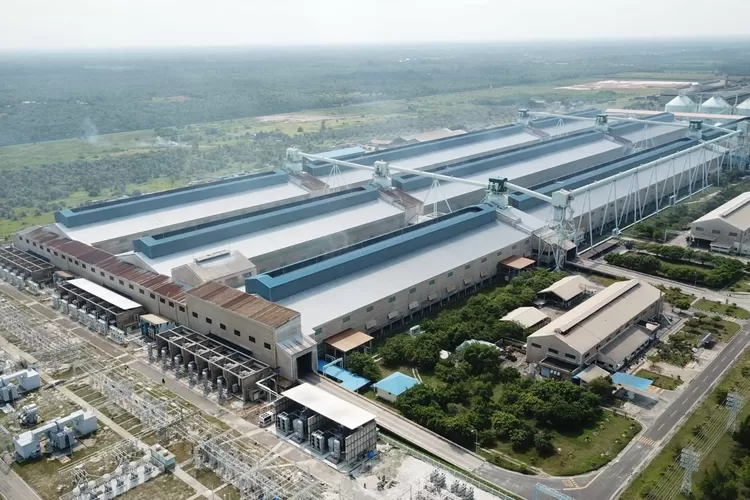
MIND ID is strengthening bauxite downstreaming as the raw material for aluminum to reinforce Indonesia’s position as a key player in the global clean-energy supply chain.One of the bauxite downstreaming projects to be expanded is the Smelter Grade Alumina Refinery (SGAR) in Mempawah, West Kalimantan, a collaboration between PT Aneka Tambang Tbk (ANTAM) and PT Indonesia Asahan Aluminium (Inalum).The refining facility has a production capacity of 1 million tons of alumina per year by utilizing domestic bauxite reserves. The alumina produced by SGAR becomes the main feedstock for Inalum’s aluminum production in Kuala Tanjung.MIND ID is also said to be expanding the SGAR Phase II project with an additional 1 million tons of alumina per year, along with a new Aluminum Smelter in Mempawah with a capacity of 600,000 tons per year.MIND ID Corporate Secretary Pria Utama said the company remains committed to driving bauxite downstreaming that not only strengthens the national industry but also supports Indonesia’s energy transition targets.As the manager of national strategic minerals, from total bauxite reserves of 198.43 million tons, the MIND ID Group produced 1.33 million tons in 2024.“We are striving consistently to support the realization of a better future for civilization. This integrated bauxite downstreaming is one of the keys to accelerating Indonesia’s energy transition,” Pria said in an official statement, Sunday (Nov 16, 2025).Moreover, aluminum is a key material in energy-transition technologies thanks to its light weight, corrosion resistance, and recyclability. A 1 MW solar panel facility requires about 21 tons of aluminum for frames and mounting systems.In addition, aluminum plays an important role in wind turbine production—forming blade structures and main frames—and accounts for up to 30% of the total weight of electric-vehicle (EV) batteries and electric-car body components.“MIND ID is committed not only to exploring natural resources but also to ensuring their value addition all the way to strategically valuable products. We believe sustainable industrialization will be the foundation of Indonesia’s future progress,” he concluded.

PT Vale & Huayou Reaffirm Commitment to Climate-Aligned Technology at COP30
16 Nov 2025, 03:40 PM 494

At the world’s largest climate forum, PT Vale Indonesia Tbk (“PT Vale”), as part of Mining Industry Indonesia (MIND ID), delivered a strong narrative on Indonesia’s journey toward a low-carbon future. PT Vale emphasized Indonesia’s position not only as a leading global nickel supplier, but as a leader in the development of sustainable critical minerals. In the talk show session “Emerging Technologies to Respond to Climate Change” at the Indonesia Pavilion at COP30, PT Vale outlined how technology, responsible mining practices, and strategic downstream partnerships—particularly with Huayou Indonesia—are shaping a new chapter in the electric-vehicle battery ecosystem.The session brought together a prominent panel representing Indonesia’s nickel industry value chain. The discussion opened with a video address from the Ministry of Environment and Forestry delivered by Hanifah Dwi Nirwana, Acting Deputy for Waste, Hazardous Waste, and Hazardous Materials Management, who underscored Indonesia’s commitment to strengthening environmental governance as the foundation of industrial transformation. This was followed by remarks from Amsor, Director of Hazardous and Non-Hazardous Waste Management, who highlighted the importance of regulatory integrity, enhanced transparency, and alignment with international sustainability standards to realize the national green-industry agenda.From the industry side, PT Vale’s Director and Chief Sustainability & Corporate Affairs Officer, Budiawansyah, clearly laid out the company’s climate ambitions. He emphasized that PT Vale’s Sorowako operations are undergoing significant technological transformation to achieve a 33% absolute emissions reduction by 2030 and a 50% reduction in product-carbon intensity for nickel—ambitious targets driven by innovations such as heat recovery, off-gas utilization, ore-dewatering optimization, and electrification of processing infrastructure. These initiatives not only cut emissions but also improve operational efficiency, projected to deliver significant annual energy savings and CO₂ reductions.For Budiawansyah, decarbonization is not a slogan but an organizational mandate.“Our message at COP30 is very clear,” he said.“Responsible, climate-aligned growth is a pillar of our strategy. Through innovation and collaboration—including our strategic downstream partnership with Huayou—we are committed to delivering low-carbon nickel that meets global stakeholder expectations,” he continued.A similar sentiment was conveyed by Huayou Indonesia’s Director of Public Affairs, Stevanus, who stressed how Huayou’s technological innovations not only boost operational efficiency but also significantly reduce carbon emissions.“We are deploying new technological innovations across advanced hydrometallurgical processes—from waste-heat recovery that can meet more than 70% of the project’s electricity needs, to self-flow ore slurry, CO₂ solidification, electrification, and waste reutilization,” said Stevanus.“With all these measures, we can reduce more than 2 tCO₂e per ton of nickel,” he explained.He added that the PT Vale–Huayou partnership reflects a shared mission to accelerate cleaner, more efficient processing of battery materials.“By combining Huayou’s hydrometallurgical innovation with PT Vale’s ESG foundations, we are helping position Indonesia as a global benchmark for low-carbon battery materials,” he concluded.The panel’s perspectives were further enriched by Harita Nickel’s Vice President of HSE, Aladin Sianipar, who emphasized the importance of circularity and waste reutilization in the industry’s decarbonization journey. Together, the speakers delivered a powerful message: Indonesia’s nickel industry is undergoing one of the largest transformations in its history, propelled by collaboration among government, upstream operators, midstream processors, and downstream technology leaders.On the same occasion, PT Vale also highlighted its ESG progress by presenting its latest Sustainalytics ESG Risk Rating of 23.7—the best score in the company’s history—placing PT Vale among the top performers in the global diversified metals & mining category. This achievement reinforces PT Vale’s credibility as a responsible nickel supplier in a sector increasingly scrutinized for its environmental impacts. PT Vale affirmed that global trust can only be earned through consistency—transparent reporting, strong governance, operational discipline, and long-term investment aligned with global climate expectations.From Belém, Brazil—thousands of kilometers from Sorowako, Bahodopi, Pomalaa, and Morowali, the locations at the core of Indonesia’s nickel leadership—PT Vale’s presence at COP30 carried a clear message: Indonesia’s critical minerals are shaping the future of global decarbonization, and Indonesia is determined to lead with ambition and accountability. Through strategic partnerships, clean-energy-based processing routes, and a strong commitment to ESG excellence, PT Vale is contributing to the transformation of the nickel ecosystem, where innovation drives climate outcomes and Indonesia becomes a responsible strategic force in the world’s clean-energy transition.Closing the discussion, the panelists offered an optimistic and visionary note. Indonesia’s success in the global EV supply chain will not be determined solely by resource endowment or production volume, but by the values embedded in its industrial development: sustainability, transparency, technological excellence, and robust collaboration. The PT Vale–Huayou partnership now stands as a model for how industry players can work together to deliver positive climate impact, strengthening Indonesia’s position on the global stage at a time when responsible supplies of critical minerals are increasingly essential.
Advertisement


GET YOUR PASS