Indonesia Launches Integrated Information System for Coal, Nickel and Tin Commodities
31 Jul 2024, 10:49 AM 4798

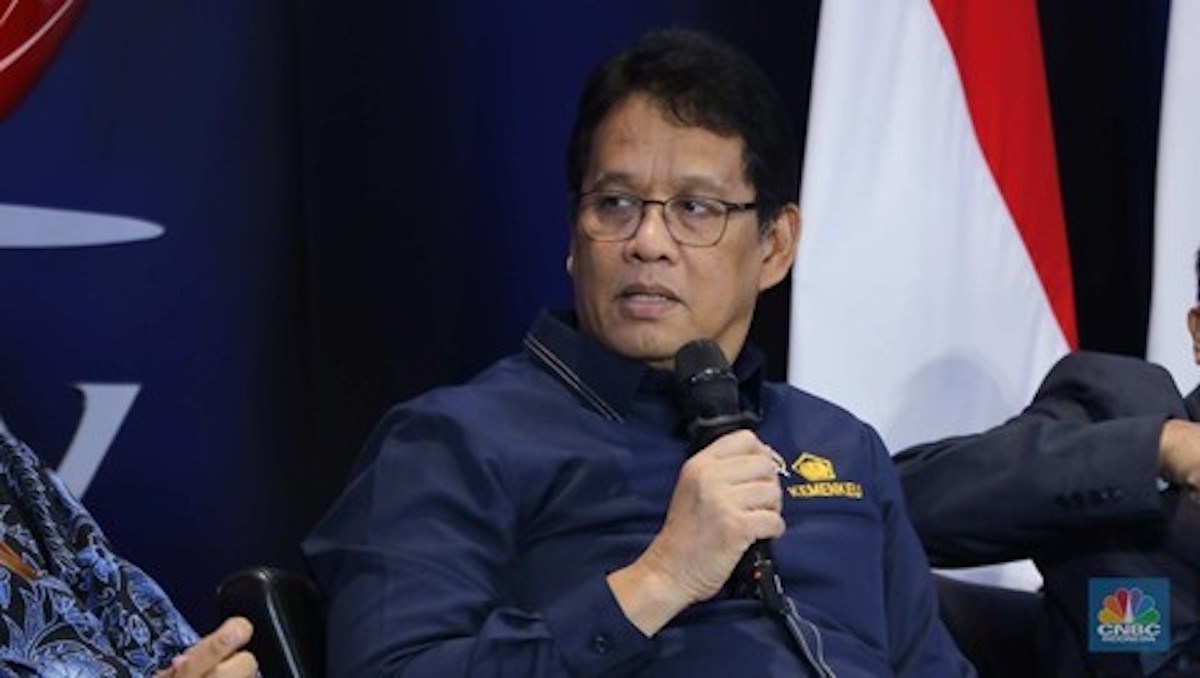
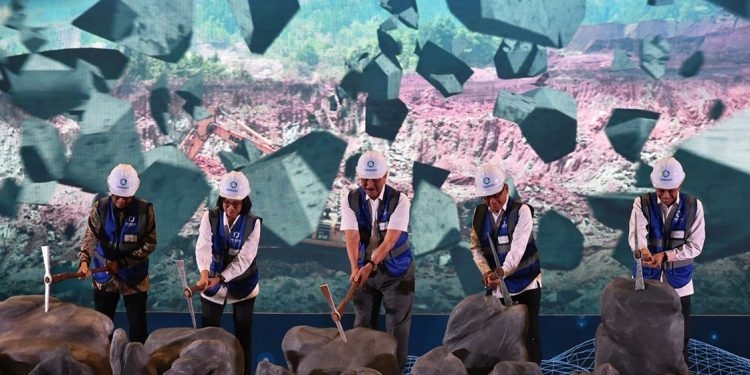
The Indonesian government officially launched the development of the Mineral and Coal Information System for Ministries and Institutions (SIMBARA) for tin and nickel commodities to complement the existing coal commodities. This launch was attended by the Coordinating Minister for Maritime Affairs and Investment Luhut Binsar Pandjaitan, the Minister of Energy and Human Resources, Arifin Tasrif, and the Minister of Finance Sri Mulyani.Minister Arifin said that the presence of this application marks the government’s strong commitment to developing better, more efficient and transparent natural resource governance.“Today is a historic moment for the mineral and coal mining sector in Indonesia. We are very grateful to be able to participate in the launch of SIMBARA,” said Arifin in Jakarta, Monday, July 22 2024.The existence of SIMBARA, continued Arifin, is very strategic in the transformation of the mineral and coal mining sector in Indonesia.“SIMBARA is not just an information system, but also a comprehensive integration of various mining business processes from upstream to downstream involving various related Ministries, namely the Ministry of Energy and Mineral Resources, Ministry of Transportation, Ministry of Industry, Ministry of Trade and Ministry of Finance,” continued Arifin.The Ministry of Energy and Mineral Resources through the Directorate General of Minerals and Coal has contributed and played an active role in strengthening SIMBARA by building a digital system in the form of the Minerba Online Monitoring System (MOMS) for coal, tin and nickel commodities which has been integrated into the SIMBARA system. Following this, other mineral commodities will be resolved on an ongoing basis.It is hoped that the use of SIMBARA can have an impact on optimizing state revenues and increasing the effectiveness of joint supervision between Ministries/Institutions. SIMBARA is also expected to be able to create an ecosystem that is able to monitor Government policies, improve the quality of service to business actors through single data entry, and utilize one reliable and accurate coal mineral data across Ministries and Institutions.“The Ministry of Energy and Mineral Resources is committed to continuing to support the further development of SIMBARA, not only in terms of technical functionality, but also in the application of sustainable development principles. Thus, SIMBARA not only answers current needs, but also becomes a solid foundation for “a better future for the Indonesian mining industry,” said Arifin.On the same occasion, the Coordinating Minister for Maritime Affairs and Investment Luhut Binsar Pandjaitan revealed the potential for increasing state revenues through the presence of this application.“I emphasized to them that the potential benefit of increasing state revenues of up to IDR 6.5 trillion is one of the reasons for accelerating this integration process in addition to increasing compliance by business actors and the effectiveness of joint supervision,” said Luhut.On the other hand, Minister of Finance Sri Mulyani Indrawati said that SIMBARA’s contribution to revenue was a small example of encouraging compliance by business actors. This includes encouraging business actors to settle receivables with an automatic blocking system (ABS). Entrepreneurs are also given convenience because at least since its initial launch in 2022, SIMBARA has simplified 10 systems into one system. Apart from that, 50 documents are coordinated in one door.“So the authority of the state is upheld, entrepreneurs cannot lobby the ministry. With this system we work neatly and consistently without causing trouble to the company because the company already knows its rights and obligations,” he concluded.Detection of Abuse of State Revenue TransactionsSIMBARA is also believed to be able to create higher efficiency and reduce corruption.“This system is also part of corruption prevention measures because the Corruption Eradication Commission (KPK) was involved in its creation. This is joint work across ministries and institutions and I believe that if we do this together, efficiency in this country will be higher, making corruption less “That’s possible because you deal with machines and not with humans who can negotiate,” said Luhut.This system will also discipline workers who must work in accordance with the applicable system regardless of position or institution.“This system will have an impact on the environment, on workers because if they work in compliance with the applicable system then they will automatically be blocked by customs, they will not be able to export, whoever they are, whether they wear yellow, red or black clothes, whether they are police soldiers as backing, they cannot “This system will discipline us all,” said Luhut.Minister of Energy and Mineral Resources Arifin Tasrif also agreed with SIMBARA, which is part of the action to prevent corruption, that since the implementation of SIMBARA, fraud has been detected by irresponsible parties.“Since the launch of SIMBARA, the government has detected several methods in the form of invalid use of NTPN (State Revenue Transaction Number), repeated use of NTPN and an unreasonable time period for NTPN use and avoidance of non-tax state revenues (PNBP) and local NTPN being used exports,” said Arifin.Minister Arifin hopes that SIMBARA will bring significant indications to stakeholders in the mining industry regarding the level of compliance with regulations, increase operational efficiency, strengthen transparency and accountability and provide support for sustainable development.“By utilizing SIMBARA, it is hoped that it can have an impact on optimizing state revenues and increasing the effectiveness of joint supervision between Ministries/Institutions,” concluded Arifin.

HPAL Harita Nickel Boosts Indonesia's Competitiveness in Electric Vehicle Battery Industry
30 Jul 2024, 04:15 PM 7785

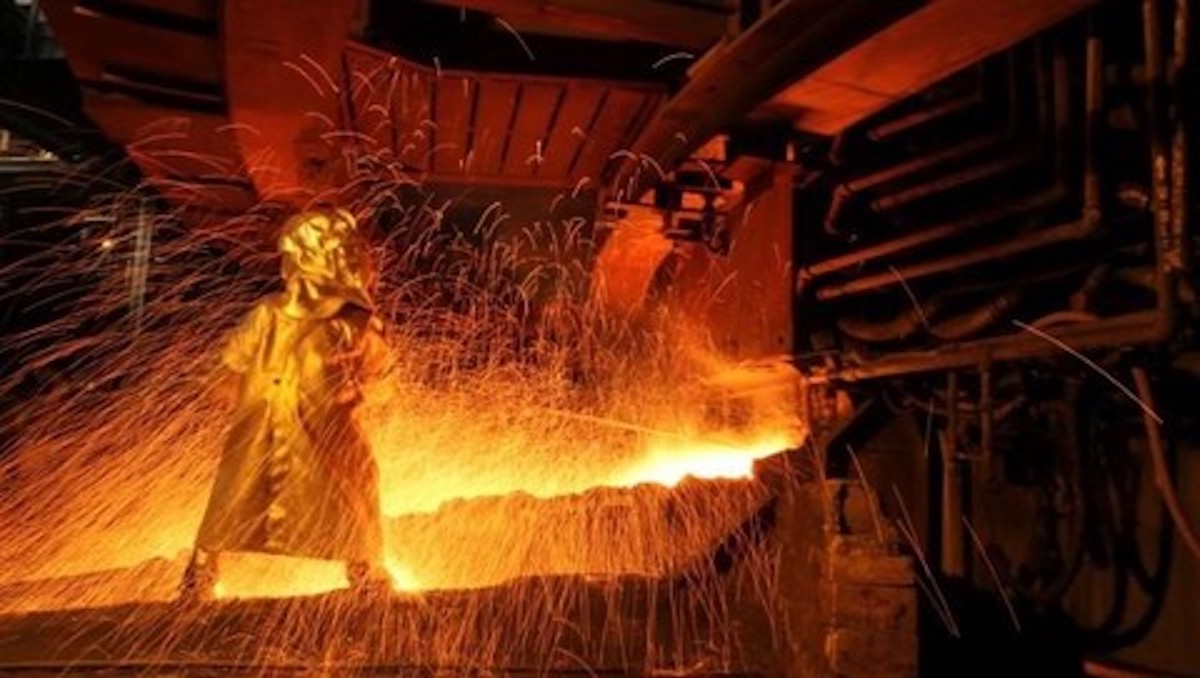
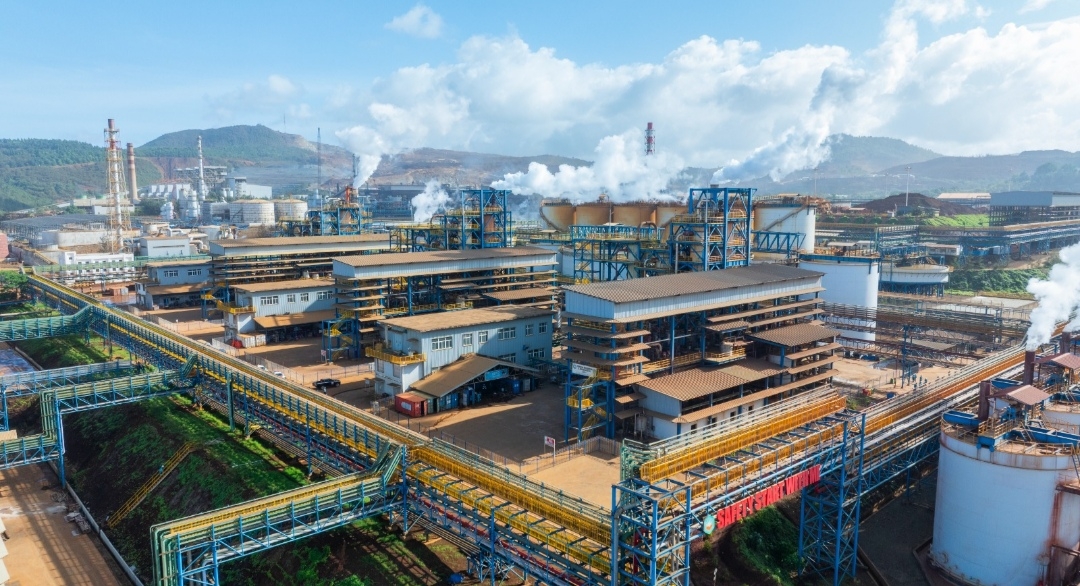
Indonesia has successfully produced nickel sulfate and cobalt sulfate, the raw materials for electric vehicle (EV) batteries. This success cannot be separated from the achievements of PT Trimegah Bangun Persada Tbk (Harita Nickel), a sustainable integrated nickel mining and processing company on Obi Island, South Halmahera district, North Maluku.Harita Nickel successfully applied high pressure acid leaching (HPAL) technology for the first time in Indonesia to produce raw materials for electric car batteries.Demand for nickel sulfate as a raw material for electric car battery cathode precursors is currently increasing. The reason is, the automotive industry began to shift to the trend of electric cars that are considered more environmentally friendly and support renewable energy.HPAL technology to produce nickel sulfate and cobalt sulfate has been used in Indonesia since 2023. Through this technology, Indonesia is able to increase the added value of low-grade nickel ore, namely limonite, which initially could not be utilized (overburden) can now be processed into nickel derivative products with economic value.HPAL technology itself has been used in many countries, such as China, the Philippines and Cuba. However, some have failed to implement this complex hydrometallurgical technology.Nikel sulfat. (Istimewa)While in Indonesia, several nickel ore processing and refining plants have tried to apply HPAL technology since several years ago but have not been successful until now. Harita Nickel became a nickel processing company that successfully implemented HPAL for the first time in Indonesia.Harita Nickel's success in applying HPAL technology through its nickel processing plant, PT Halmahera Persada Lygend (HPL), as part of Harita Nickel, in 2021. At that time, only in the form of mixed hydroxide precipitate (MHP).Harita Nickel's HPAL plant also produces MHP derivatives for electric car battery raw materials since 2023, namely nickel sulfate and cobalt sulfate. Nickel sulfate will be a precursor material for lithium battery cathodes, while cobalt sulfate is a lithium battery cathode material.Deputy Department Head of Nickel Sulphate and Acid Plant Harita Nickel, Roy Martua Sigiro, revealed that the application of HPAL technology provides great benefits because it is able to convert low-grade nickel (limonite) into more valuable.“HPAL or High Pressure Acid Leaching technology is a low-grade nickel purification technology or what we often refer to as limonite which has never been processed. So far, it has only been dumped into overburden and only high grade nickel or saprolite has been processed,” Roy explained.“With the presence of this HPAL technology, we can process limonite into MHP or mixed hydroxide precipitate, nickel sulfate, and cobalt sulfate,” he added.In short, the production process begins with the preparation stage, namely melting low-grade nickel ore that was previously in the form of soil. The material is then put into the high pressure acid leaching stage using sulfuric acid and steam (high temperature steam).Roy explained, at this stage, the product enters a tube called an autoclave. After that, the nickel enters the neutralization stage and a number of other processes with the aim of removing unnecessary materials.“And after going through the MHP process, we will go through a process called solvent extraction to produce nickel sulfate and cobalt sulfate. Then we will process the nickel sulfate and cobalt sulfate solution again using a crystallization process to get nickel sulfate and cobalt sulfate crystals as we have seen,” he explained.The resulting nickel sulfate and cobalt sulfate crystals will be sold by size. But there are still a number of steps before nickel sulfate is transformed into an electric battery.Aktivitas di pabrik HPAL milik PT Trimegah Bangun Persada Tbk (Harita Nickel). (Istimewa)“After the cobalt sulfate and nickel sulfate will go to the battery precursor, after that the battery cathode. So if I can say the products produced by Harita Nickel are halfway to achieving electric batteries,” Roy explained.While Head of Technical Support Harita Nickel Rico Windy Albert said, nickel ore first passes through a coarse and fine screening stage to separate large materials such as rocks and wood, as well as other foreign objects. The filtered ore is then cleaned with water. Or the process in brief, explained by Nico, starts from the Ore Preparation stage, Grinding Station, Heating and Leasing, precipitation, acidity adjustment, MHP formation, and MHP processing.“The MHP processing is then further processed, including in the press, to produce final products such as nickel sulfate and cobalt sulfate that are ready for market. Each stage in the process is highly coordinated, resulting in a quality end product,” he explains.Production SizeHead of Mining Engineering of PT Trimegah Bangun Persada Tbk (Harita Nickel) Primus Priyanto said, in 2024, it is planned that around 27 million combined high grade (saprolite) and low grade (limonite) nickel ore will be supplied or sent to all refining processing plants that have been operating at the Obi Site.“The total ore inventory reaches about 3.9 million tons for saprolite ore and about 15 million tons for limonite ore. The ore inventory comes from all stockpiles at Harita Nickel. The amount of inventory is able to ensure the availability of ore supply for all mills for the next 5 or 6 months,” Primus explained.Limonite nickel ore will be supplied to the HPAL Plant which has a capacity of 8.3 million tons to be processed into MHP and its derivatives.“The consumption capacity of limonite nickel ore is around 8.3 million. And the output in the form of MHP or mixed hydroxide precipitate is around 365 thousand tons of MHP. Where the nickel content is around 45% and the cobalt content is around 5%,” he explained.Meanwhile, saprolite nickel ore is sent to two smelters using the rotary kiln-electric furnace (RKEF) method to become ferronickel. The total capacity of the two RKEF smelters, namely the PT Megah Surya Pertiwi (MSP) Factory, PT Halmahera Jaya Feronikel (HJF) Factory, reaches 11 million tons per year.Nickel is a material that can be relied upon for various needs, ranging from the use of spoon-fork materials, surgical instruments in hospitals, car wheels, and of course for electric vehicle battery materials.Nickel-based batteries have the advantage of being able to store greater electrical energy and last longer. In addition, nickel-based batteries have high resistance to climate differences.Aktivitas di pabrik HPAL milik PT Trimegah Bangun Persada Tbk (Harita Nickel). (Istimewa)This makes cars that use nickel-based batteries suitable for users who often travel long distances or are in areas with extreme temperatures. This advantage makes nickel sulfate material continue to be targeted as a raw material for electric vehicle batteries.In 2019, nickel researchers from Wood Mazkenzie, a global provider of data and analysis for energy transition, said consumption of nickel as nickel sulfate increased by 28 percent or 162 kilotons. The largest consumption came from China. By 2025, global nickel consumption for electric vehicle batteries is expected to rise to 265 kilotons.The large demand for this industry makes nickel sulfate production increasingly carried out globally, including Indonesia, which is known to have the largest nickel reserves in the world.Wood Mazkenzie revealed that nickel production is now still dominated by Asian countries, such as China, Japan, South Korea and Taiwan. While Indonesia, which also supplies nickel products, the amount of production continues to skyrocket every year.The success of Harita Nickel in producing raw materials for electric car batteries with HPAL technology makes Indonesia already halfway to producing electric car batteries independently. It is not even impossible that Indonesia can produce its own electric car.
Indonesia Eyes Global Nickel Market Domination with UAE Partnership
30 Jul 2024, 04:03 PM 4141

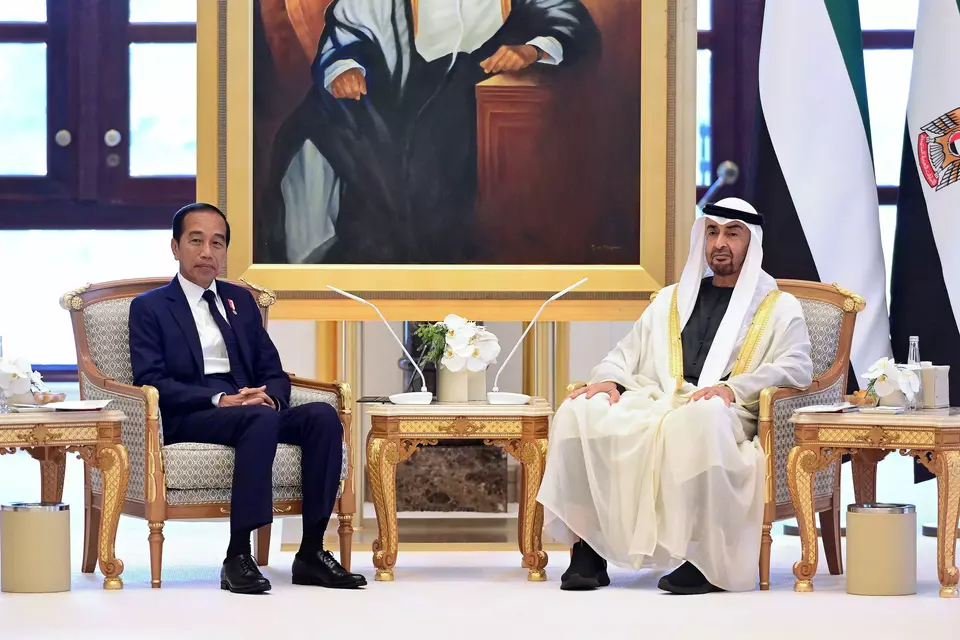
President Joko "Jokowi" Widodo is confident that Indonesia can dominate up to 85 percent of the global nickel market through a partnership with the United Arab Emirates (UAE).President Jokowi held a bilateral meeting with UAE President Mohamed bin Zayed Al Nahyan (MBZ) at Qasr Al Watan, Abu Dhabi, on Wednesday.The discussions included comprehensive cooperation in nickel trade, covering all sectors from mining to the production of electric vehicles and their batteries."If this succeeds, we expect to control 80 to 85 percent of the global market," President Jokowi said during the opening of the 2024 President’s Cup in Bandung, West Java, on Friday.He also mentioned that the government is engaging in similar discussions with two other countries."There are two more countries that we are approaching," Jokowi added.In addition to nickel trade cooperation, President Jokowi discussed establishing a financial center in the new capital, Nusantara (IKN), during his visit.Indonesia plans to study and replicate the system managed by the Dubai International Financial Center Authority."We have signed an MoU, meaning we expect the financial center in IKN to be established and operational soon," he concluded.Indonesia has stopped exporting unprocessed nickel to encourage domestic processing. The government hopes this ban will attract foreign businesses to set up factories in Indonesia. According to the 2024 US Geological Survey report, Indonesia has the world’s largest nickel reserves, totaling 55 million metric tons.Earlier this month, Indonesia launched Southeast Asia’s first and largest EV battery cell plant in Karawang, West Java. This project is part of HLI Green Power, a joint venture by South Korean automaker Hyundai, Seoul-based battery manufacturer LG Energy Solution, and local firm Indonesia Battery Corporation (IBC). Hyundai is also producing its EV model Ioniq 5 at its Cikarang manufacturing plant.

Indonesia to Launch Nickel, Tin Online Tracking Next Week
29 Jul 2024, 03:39 PM 3797

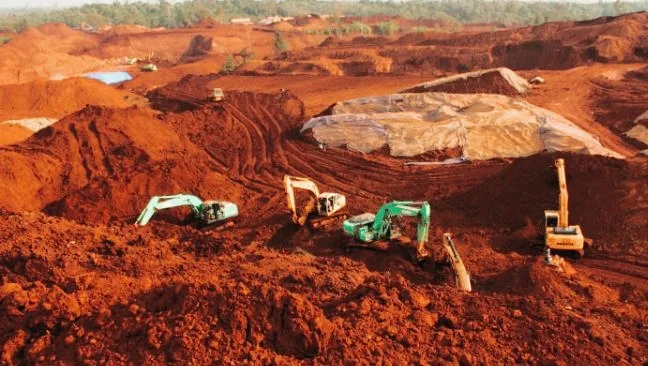
Indonesia will launch an online tracking system next week for nickel and tin shipments to increase government revenue and improve mining governance, a deputy coordinating minister said on Thursday.The tracking system to be launched on Monday, known as SIMBARA, was first implemented on coal in 2022 and the resource-rich country has planned to widen its implementation to other minerals it produces.Indonesia is the world's biggest producer of nickel and one of its largest producers of tin. Using SIMBARA, the government would be able to track the nickel and tin from mines to domestic smelters."Smelting companies have to register where they buy the nickel from and where the mines are," Septian Hario Seto, deputy coordinating minister for maritime and investment affairs, said in an interview.Smelters will not be allowed to unload ore shipments from mines that have not yet paid their royalties. The system successfully increased government revenue in the coal sector, Seto told Reuters, and hoped to see similar improvement in the nickel and tin sectors.The SIMBARA system will also be linked to the government's digital records of mining quotas, known as RKAB. It enables miners to track how much production quota a miner has left for the period and to alert authorities should there be discrepancies in output and sales data, he added.A senior official has said Jakarta will implement the system on other minerals such as bauxite and copper, but the timing would be decided later on, once the nickel and tin tracking system has run smoothly.

Amman Minerals International (AMMN) Boosts Completion of Copper Smelter Project
25 Jul 2024, 03:29 PM 6493

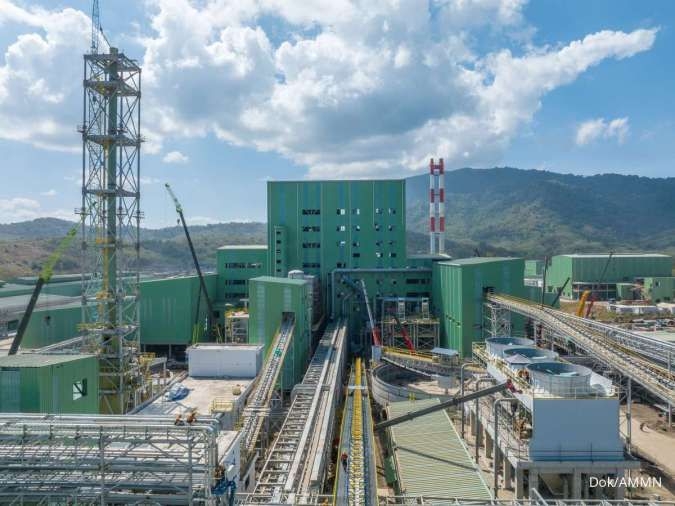
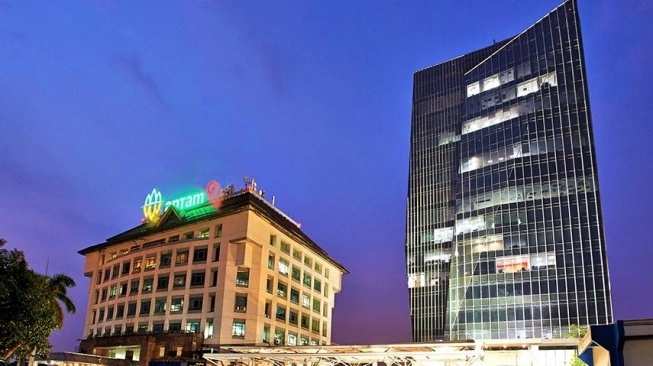
PT Amman Mineral Internasional Tbk (AMMN) is boosting the completion of its copper smelter project. The smelter, located in West Sumbawa, West Nusa Tenggara, is being worked on by AMMN's subsidiary, PT Amman Mineral Industri (AMIN).President Director of Amman Mineral Industri, Rachmat Makkasau explained that the progress of AMMN's copper smelter has reached 95.5% from the verification results as of May 31, 2024. This progress indicates that the AMMN smelter project has reached the completion of physical and mechanical construction. The remaining 4.5% is the commissioning stage which is currently underway. The commissioning stage has started since June 1. Rachmat emphasized that the progress of the AMMN copper smelter is going according to plan.“We have received a Certificate of Commissioning Readiness from an independent verifier. It indicates that Amman's copper smelter has met all requirements for safe commissioning,” Rachmat said on Tuesday (16/7).The commissioning phase is scheduled to last for four to five months. During this stage, the smelter furnace will begin to heat up and copper concentrate will begin to be fed into the smelter.The first copper cathode production signaling the start of smelter operations is scheduled for the fourth quarter of 2024.Previously, commissioning of supporting infrastructure has been carried out since the first quarter of 2024. For example, the desalination and demineralization water (DDW) supply facility and the oxygen and nitrogen gas supply facility of the air separation unit. AMMN's copper smelter facility has a total input capacity of 900 kilo tons per annum (ktpa) of concentrate from the Batu Hijau mine and the future Elang mine. The products of this smelter will be copper cathode which reaches 222 ktpa and sulfuric acid which reaches 830 ktpa.AMMN is indeed aggressively working on its projects. This year, AMMN has prepared a jumbo capital expenditure. The value is US$ 2.01 billion or around Rp 31.7 trillion in 2024. Recently, AMMN was also rumored to be looking for a large loan worth US$ 1.5 billion to develop its copper and gold mines.In terms of stock movements, AMMN's share price has climbed 71.37% since the beginning of the year or year to date. But in yesterday's stock trading, AMMN fell 3.02% to IDR 11,225 per share.

Antam Focuses on EV Battery Projects
25 Jul 2024, 03:23 PM 4226

In line with the government program in developing ev batteries for electric vehicles in Indonesia, the presence of nickel mining companies is considered to benefit a lot in the long run.PT Aneka Tambang Tbk (Antam) as one of the largest nickel producers in Indonesia is also currently focusing on the ev battery project.Antam Corporate Secretary Syarif Faisal Alkadri said the ev battery project is the focus of the project being carried out.“We are focusing on the downstreaming of all the company's commodities, where in the nickel sector one of them is the completion of the ev battery project both upstream and downstream,” he said.Faisal said Antam had completed various stages in the development of ev batteries.“Currently, all work on this project is running in accordance with the timeline prepared. We are committed to completing the milestones that have been planned to be completed this year,” he added.Previously on December 28, 2023, Antam together with HongKong CBL Limited (HKCBL) completed the divestment transaction of 49% shares in PT Sumberdaya Arindo (SDA) and the divestment transaction of 60% shares in PT Feni Haltim (FHT) with a total cash consideration of IDR 7.23 trillion.“This transaction is an important part of the operation of the nickel mine to supply nickel ore and the development of industrial estates, as well as the construction and operation of nickel processing and refining plants,” Faisal was quoted as saying in Antam's press release.Antam and HKCBL have also signed a joint venture agreement for the hydrometallurgical project (HPAL JVCO) on December 22, 2023. Faisal said the transaction would be an important foundation for the development of the EV Battery ecosystem in Indonesia.“For the establishment of HPAL JVCO, ANTAM and HKCBL also continue to coordinate so that the process of establishing HPAL JVCO can be carried out in 2025,” he concluded.

Bukit Asam Launches World-First Project to Convert Coal into Battery Materials
25 Jul 2024, 03:19 PM 4217

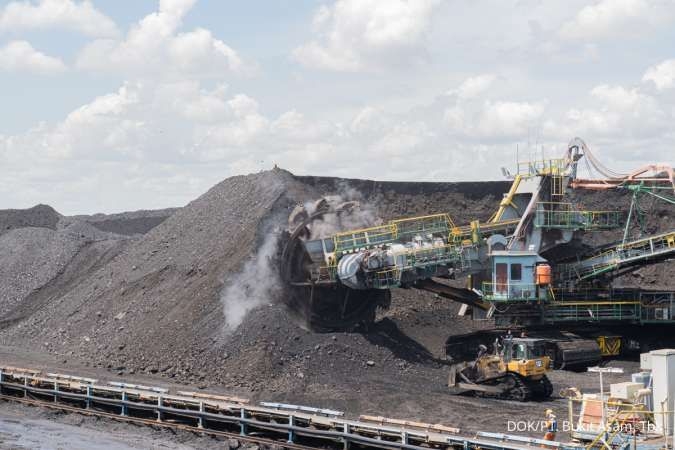
State-owned coal miner Bukit Asam has launched a pilot project to convert coal into artificial graphite and anode sheets for lithium-ion (Li-ion) battery production. This initiative, in collaboration with the National Research and Innovation Agency (BRIN), is claimed to be the first of its kind globally.Artificial graphite is a key material in anode production, while anode sheets serve as the positive electrode for oxidation reactions, making them essential components of Li-ion batteries.Dilo Seno Widagdo, Director of Portfolio & Business Development at Bukit Asam's parent company MIND ID, said that all companies under the MIND ID Group are committed to maximizing the value of Indonesia's mineral and coal resources. The pilot project is expected to advance toward commercial stages, and Dilo emphasized that its sustainability requires comprehensive support and thorough economic analysis.“MIND ID is focused on supporting the electric vehicle battery ecosystem. Therefore, this potential must be fully backed by the entire MIND ID Group. This project is a strategic step that not only diversifies PTBA's business but also strengthens our position in the future supply chain of electric vehicle batteries,” Dilo said in an official statement on Tuesday.PTBA President Director Arsal Ismail added that converting coal into artificial graphite and anode sheets reflects the company's commitment to supporting government policies aimed at enhancing coal downstream processing and ensuring national energy resilience."Bukit Asam aims to provide continuous energy for the nation. One of our efforts is to develop the coal industry using clean technology in Indonesia. The implementation of anode sheets made from coal is a world first, representing a significant breakthrough in coal downstream processing. This conversion will also support the advancement of the domestic electric vehicle industry," Arsal said.Demand for artificial graphite and anode sheets is expected to rise, driven by growth in the electric vehicle sector. These materials are critical not only for electric vehicles but also for industries such as energy storage, electronics, and medical equipment.Mulyadi Sinung Harjono, Director of Research Utilization & Innovation at BRIN said that the pilot project will strengthen Indonesia's position in the strategic raw materials industry."We hope that the collaboration with PTBA continues to produce beneficial research and that the pilot project proceeds as planned," he said.

Adaro Energy (ADRO) Strategy to Drive Performance in the Second Semester of 2024
25 Jul 2024, 03:14 PM 6826

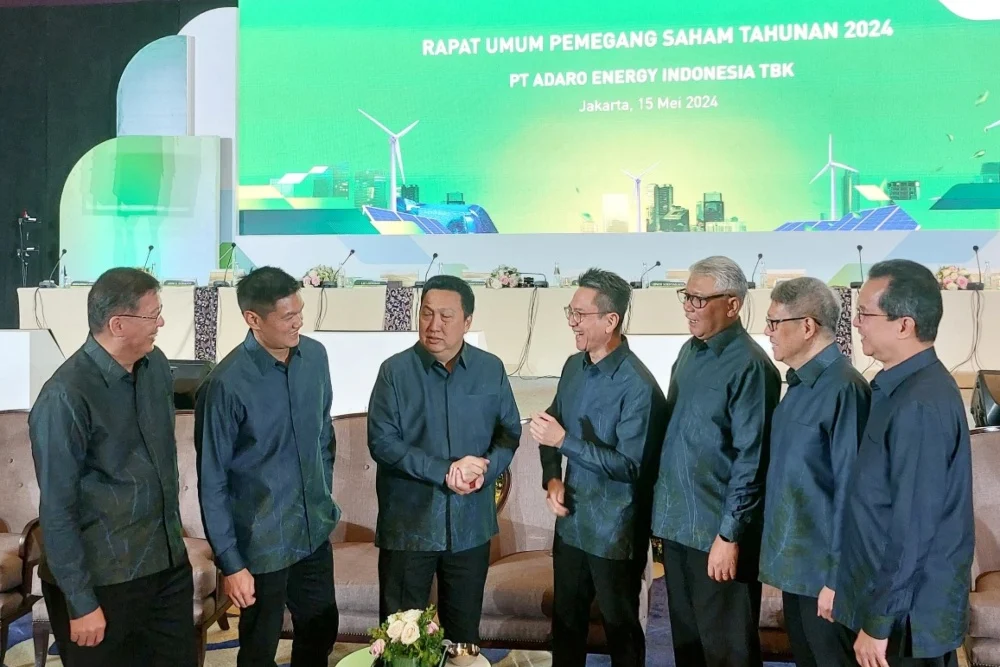
PT Adaro Energy Indonesia Tbk (ADRO) is preparing a strategy to spur performance in semester II/2024. Head of Corporate Communication of Adaro Energy Indonesia Febriati Nadira explained that coal prices in the second semester of 2024 will move following the cycle and will always fluctuate. “We will remain focused on everything we can control such as operational control to ensure the achievement of company targets and cost efficiency,” Nadira said, Friday (19/7/2024). Nadira said operational excellence and cost efficiency are things that concern ADRO. In addition, he said, ADRO also continues to develop and diversify its business to increase contributions from the non-thermal coal sector by continuing to play an active role in mineral and renewable energy projects.“Adaro remains confident that the fundamentals of the coal and energy sector in the long term remain strong, especially with the support of development activities in Asian countries,” Nadira said. President Director of Adaro Energy Indonesia Garibaldi 'Boy' Thohir previously explained that his party saw lower coal selling prices this year compared to last year. However, Boy said, he views ADRO's performance as relatively better compared to other coal companies.“Our performance is relatively okay compared to others because we are efficient, reliable, we continue to do efficiency. Because in my opinion, no one can predict the selling price. As long as we can be the most efficient producer, we can compete,” Boy Thohir told Bisnis in Jakarta, Tuesday (25/6/2024). Nadira said ADRO was optimistic about the future prospects of the Adaro Group and its desire to diversify revenue sources.As a national energy provider company, according to Nadira, Adaro wants to play an important role in supporting Indonesia's economic transformation, including taking opportunities to support the green economy. Through the Adaro Minerals pillar, Adaro continues to support government programs and participate in mineral downstreaming programs and green economy development in Indonesia by committing to build an aluminum smelter in North Kalimantan province.Meanwhile, through the Adaro Green pillar, Adaro continues to play an active role in renewable energy projects for downstream or mineral processing and actively participates in tenders for various renewable power plants. Previously, Mirae Asset Sekuritas analyst Rizkia Darmawan explained that the current price for coal commodities is not as good as last year. However, this is quite in line with market expectations that coal prices are not as high as last year due to different situations.“Last year there was supply chain disruption and more intense geopolitical tension, so this year we do not expect the price to be better than last year,” said Darma. Darma estimates that coal prices will move in the range of USD 101-USF150 per ton. According to him, the volatility in coal prices that has occurred to date is still in line with Mirae Asset Sekuritas' expectations.On the demand side, Darma sees that demand from India and China, which are facing summer, is still quite stable for now. Darma estimates that this will prop up coal prices going forward. With these catalysts, Darma estimates that there will be an improvement in the performance and financial statements of coal issuers for the second quarter of 2024.

Freeport Indonesia Smelter in Gresik Able to Refine 3 Million Tons of Copper Per Year
25 Jul 2024, 12:21 PM 5221

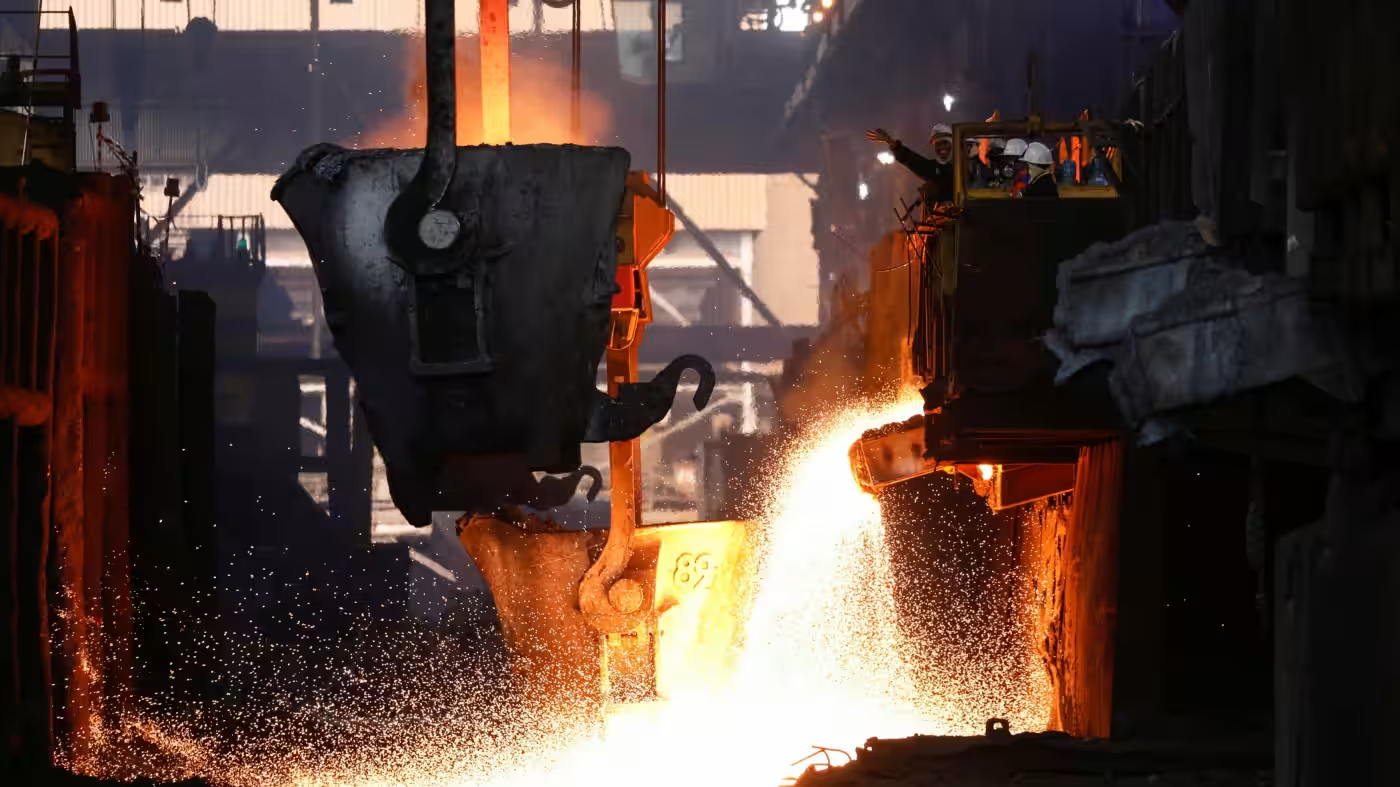
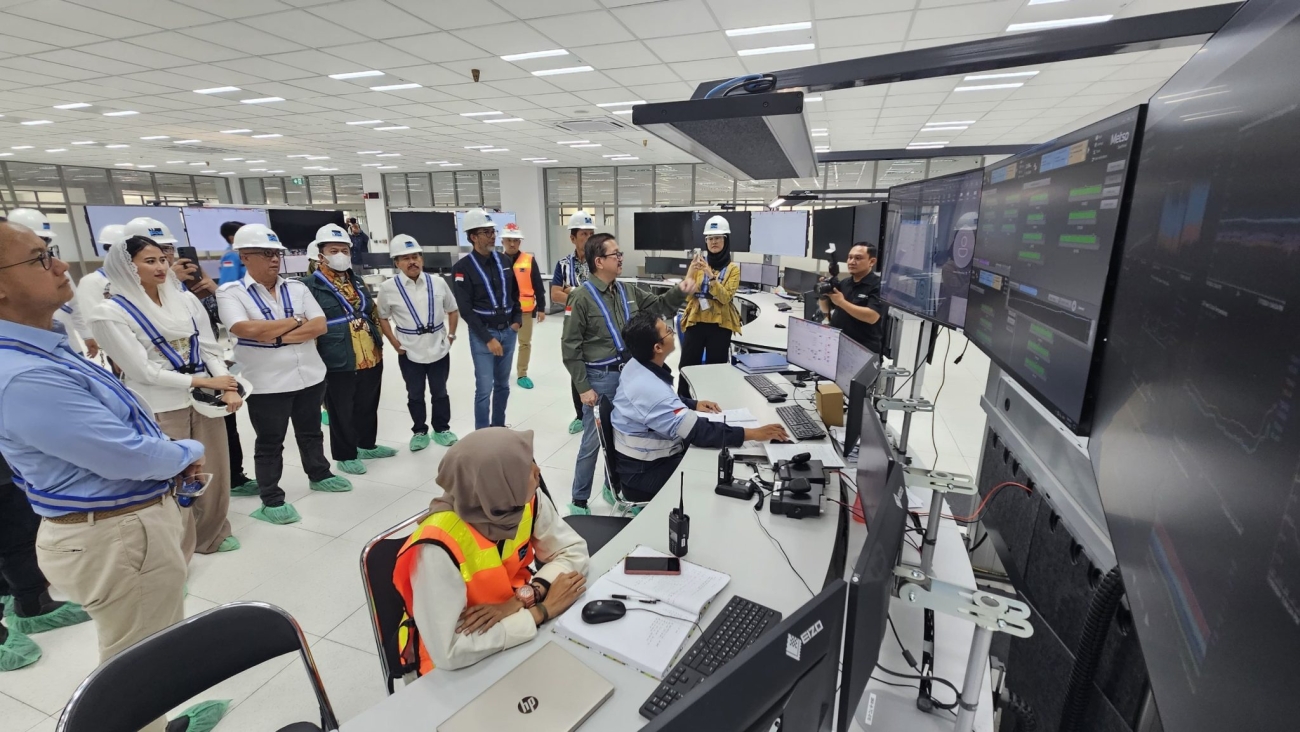
Deputy Chairman of Commission VII of the House of Representatives, Eddy Soeparno, expressed his appreciation for the achievements of the PT Freeport Indonesia (PTFI) Smelter in the Gresik Special Economic Zone (SEZ) whose construction has run smoothly until now entering the operating period. “We give our greatest appreciation to PTFI for reaching the operating stage in accordance with the schedule agreed upon with the government. We hope that this process will run smoothly until the production process in August and full production in December 2024,” said Deputy Chairman of Commission VII DPR RI Eddy Soeparno during a visit to the Freeport Smelter, Wednesday (17/7/2024).Eddy said the Freeport smelter is important in supporting Indonesia's mineral downstreaming program. He hopes the smelter can provide optimal benefits for the nation and state.“We hope that this production will develop further, so that the output produced by PTFI can be absorbed domestically. After the PTFI Smelter is established, there is even greater pressure for the government to bring in derivative industries so that the added value of the PTFI Smelter output is not only exported but can be managed domestically,” he said. Eddy hopes that the government, in this case the Ministry of Industry, will issue policies that can accelerate the growth of domestic industries, including the utilization of products from the PTFI smelter that can be used domestically.PTFI President Director Tony Wenas said in his presentation that from August 2024 to December 2024, around 400 thousand tons of concentrate will be refined at the PTFI Smelter.“We plan to start production in August and will ramp up 100% in December 2024. Once fully operational, the input capacity of the PTFI Smelter and PT Smelting will be able to refine all of PTFI's copper concentrate in the country, which reaches around 3 million tons per year,” Tony said. When in production, Tony continued, the copper concentrate from PTFI's mining operations in Papua will be refined entirely domestically. “Our common task is that the copper cathode produced by the PTFI smelter can be consumed domestically.There are more downstream industries that will emerge to utilize the copper cathodeproduced by the PTFI smelter,” Tony said. The main end products of the PTFI smelter are copper cathode, gold and silver bars.While the by-products are sulfuric acid, slag, PGM, and selenium.During the visit, Commission VII DPR RI directly reviewed various areas in the smelter such as the refinery, smelter operation area, sulfuric acid facility, control room and anode casting.(hsb) 

Advertisement


GET YOUR PASS