Bauxite Downstreaming Cuts Alumina Imports, Saving Inalum IDR 9 Trillion in Foreign Exchange
Tue 13 Oct 2026, 09:05 AM
Share
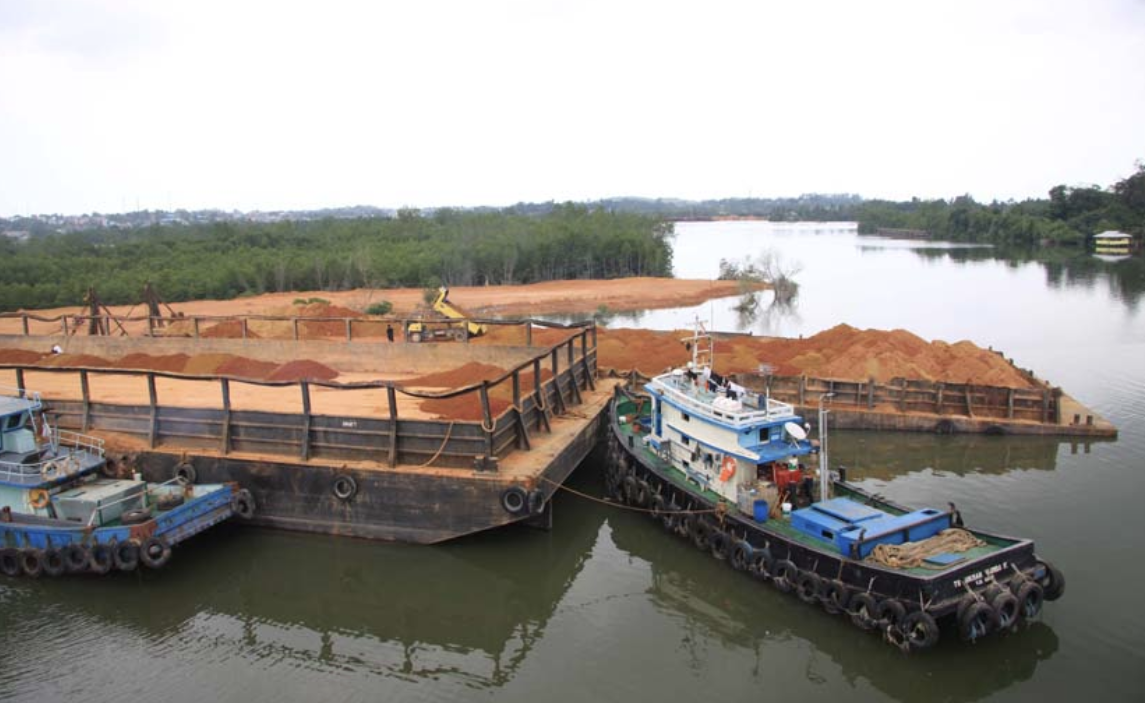
PT Indonesia Asahan Aluminium (Inalum) is saving around IDR 7 trillion to IDR 9 trillion in foreign exchange annually after stopping alumina imports to meet its raw material requirements for aluminium production. The savings are supported by the operation of domestic bauxite refining facilities that produce alumina as part of MIND ID Group's mineral downstreaming efforts.
Inalum Director of Corporate Strategy, Business Development, and Commercial Arif Haendra said the availability of domestic alumina had reduced the company's dependence on overseas raw material supplies. Inalum now sources alumina from refining facilities developed within the national bauxite-alumina-aluminium industrial ecosystem.
“Now that we have our own alumina, we no longer need to import it. That has saved around IDR 7 trillion to IDR 9 trillion in foreign exchange. Inalum no longer imports alumina” Arif said at BIG Downstream Insight 2026, as quoted on Tuesday (13/10/2026).
The strengthening of raw material supplies is supported by the development of a bauxite-alumina-aluminium downstreaming ecosystem by Inalum and PT Aneka Tambang Tbk (ANTAM) in Mempawah, West Kalimantan. The area comprises six projects, including five projects under MIND ID Group and one owned by Pelindo.
Upstream, bauxite ore supplies come from one mining business license (IUP) held by ANTAM and six IUPs held by its subsidiaries. The ore is then processed at the Smelter Grade Alumina Refinery (SGAR) into alumina to meet the needs of the aluminium industry.
SGAR Phase I is currently operational, with a production capacity of 1 million tons of alumina per year. Of this volume, around 550,000 tons are allocated to meet Inalum's needs under a long-term agreement, while the remaining 450,000 tons are intended for export.
This production capacity allows alumina supplies for domestic needs to run alongside sales to international markets. The presence of domestic refining facilities also strengthens the links between bauxite mining and aluminium processing, enabling mineral raw materials to be further utilized within the country.
Inalum and ANTAM are preparing to develop SGAR Phase II to further strengthen the downstreaming ecosystem. Arif said the bankable feasibility study (BFS) for the project had been completed and that it would soon proceed to the final investment decision (FID) stage.
The development of the bauxite-alumina-aluminium industrial chain is expected to strengthen raw material supply independence while improving the competitiveness of the national processing industry. Domestic alumina availability also provides a foundation for the development of various aluminium-consuming sectors, ranging from electric vehicle manufacturing and construction to transportation and electricity.
Advertisement