Bauxite Overtakes Nickel, Downstream Investment Reaches IDR 40.1 Trillion
Mon 20 Jul 2026, 11:32 AM
Share
Indonesia's mineral downstream investment landscape is beginning to shift. After years of nickel dominating investment flows, bauxite has now taken the lead.
In the second quarter of 2026, realised investment in bauxite downstream projects reached IDR 40.1 trillion, surging about 193% from IDR 13.7 trillion in the first quarter. The increase made bauxite the country's largest downstream investment destination for the first time, overtaking nickel, which had long dominated the sector.
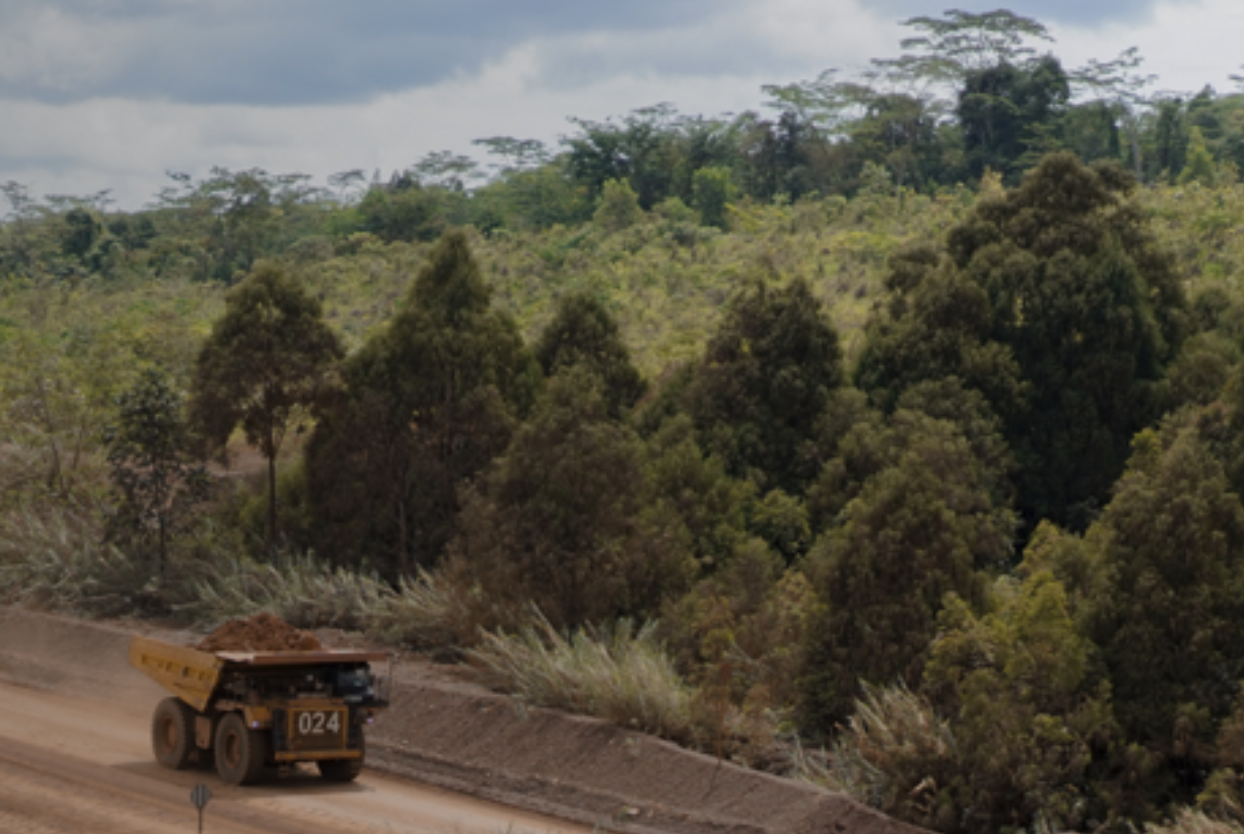
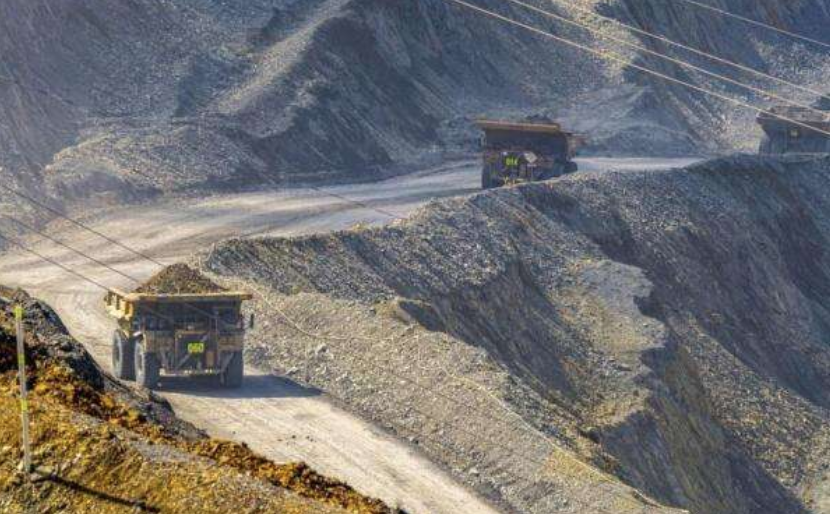
The surge was driven by the accelerated construction of bauxite processing and refining facilities (smelters) across Indonesia. The trend suggests the government's downstream processing programme is becoming more diversified and is no longer centred solely on the nickel industry.
One of the key projects behind the shift is the Phase I Smelter Grade Alumina Refinery (SGAR) in Mempawah, West Kalimantan. Developed by MIND ID Group through PT Indonesia Asahan Aluminium (INALUM) and PT Aneka Tambang Tbk (ANTAM), the facility has an annual production capacity of one million tonnes of alumina and requires approximately 3.3 million tonnes of bauxite feedstock each year.
The refinery is regarded as a key foundation for strengthening Indonesia's domestic aluminium supply chain, from bauxite mining through to alumina processing.
House of Representatives Commission XII member Eddy Soeparno said the sharp increase in bauxite investment was a long-awaited development. According to him, investment in the sector had lagged behind the nickel industry for years.
"We welcome the strong growth in investment in bauxite downstream processing, reflected by the sharp increase in smelter investment. Looking at past developments, we have long been waiting for more investment in bauxite smelters because the sector has lagged behind nickel," Eddy said in a written statement received by AKURAT.CO.
However, he cautioned that investment should not stop at primary processing. Instead, the government should encourage investment further downstream to maximise value creation.
"We hope investment in bauxite smelters will also be followed by the development of downstream industries so the country can maximise the value added generated from bauxite-derived products," he said.
Commission XII member Syarif Fasha, saying the rise in investment should not prove temporary.
According to him, the success of downstream processing must also deliver tangible benefits to resource-producing regions.
"This trend should not be temporary, but must remain consistent and, if possible, continue to increase."
He added that the government must ensure producing regions receive their rightful share of benefits, including through the revenue-sharing mechanism.
Meanwhile, Minister of Investment and Downstream Processing and Head of the Investment Coordinating Board (BKPM), Rosan Perkasa Roeslani, said bauxite's emergence as the largest downstream investment destination was driven by the increasing number of processing facilities being developed by both domestic and foreign investors.
"Historically, nickel has always ranked first. Now we are seeing a shift, with bauxite taking the top position because several bauxite processing projects are being developed by both domestic and foreign investors," Rosan said.
According to Rosan, the changing composition of investment shows that Indonesia's downstream processing programme is expanding across a broader range of commodities. Besides creating greater industrial value, the investment is also contributing to job creation.
Overall, realised downstream investment reached IDR 152.7 trillion in the second quarter of 2026, up 5.7% from the same period a year earlier. The figure accounted for approximately 29.8% of Indonesia's total realised investment of IDR 511.8 trillion.
By commodity, bauxite led downstream investment with IDR 40.1 trillion, followed by nickel at IDR 29.4 trillion, copper at IDR 16.7 trillion, iron and steel at IDR 13.2 trillion, and silica sand at IDR 4 trillion. Other commodities—including tin, gold, silver, cobalt, manganese, coal, Buton asphalt, and rare earth metals—collectively attracted IDR 4.7 trillion in investment.
BKPM also reported that realised investment during the January–June 2026 period created 1,448,862 jobs, an increase of around 15% from the same period last year. In the second quarter alone, investment generated employment for 742,263 people, up 5.1% year on year.
Advertisement