BUMI Builds the Foundation for Coal Downstreaming
Fri 05 Jun 2026, 09:51 AM
Share
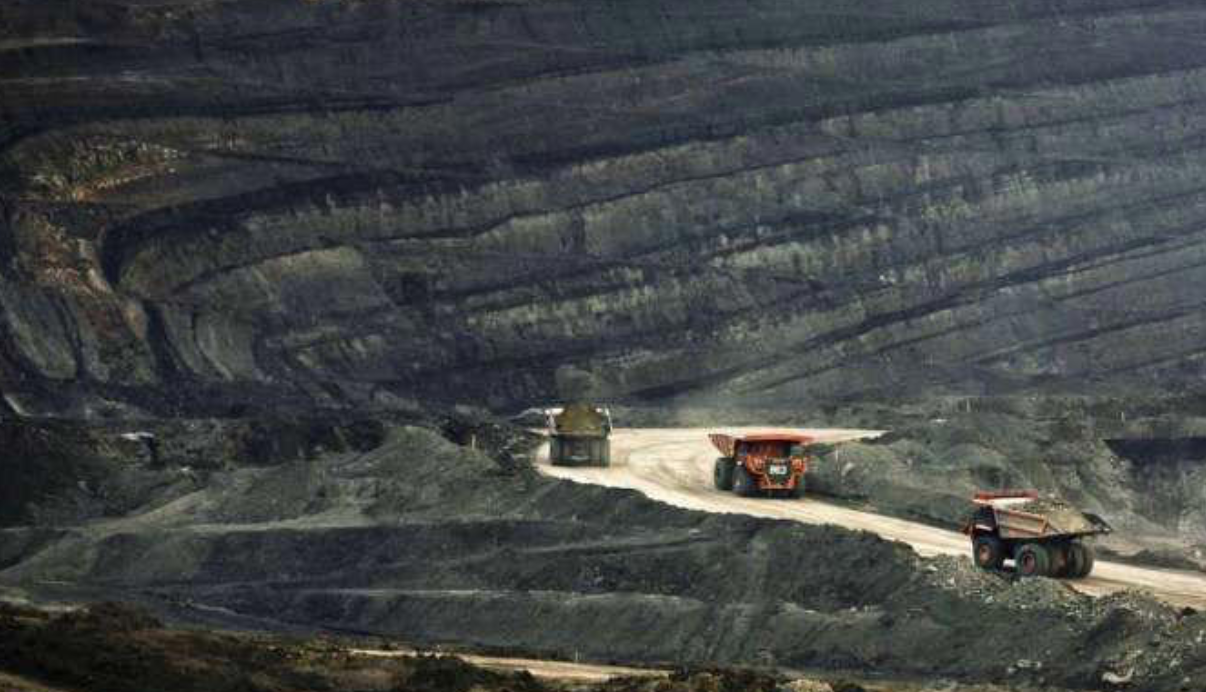
PT Bumi Resources Tbk (BUMI) is preparing a new strategic financing initiative through a planned bond issuance, with one of the key allocations amounting to IDR 1.5 trillion earmarked for its subsidiary, PT Arutmin Indonesia.
BUMI's management said the funds will be used to support Arutmin's operational sustainability, including requirements related to the extension of its mining business licenses and compliance with the government's coal downstreaming policy.
The downstreaming initiative forms part of BUMI's long-term strategy to develop higher-value-added businesses, including coal-to-methanol conversion projects. The coal gasification project is expected to require investment of approximately USD 2.5 billion, or around IDR 43 trillion, making access to financing a critical factor in its development.
The planned facility is designed to produce around 2 million tons of methanol annually and will require approximately 7.7 million tons of low-calorific-value coal as feedstock. Groundbreaking is targeted for 2026, with commercial operations expected to commence in 2029.
The project will be developed through PT Bumi Etam Chemical (BEC), a joint venture between Arutmin and PT Kaltim Prima Coal (KPC), both of which are part of the BUMI Group.
Ryan Santoso, an analyst at Ciptadana Sekuritas, said the establishment of BEC demonstrates that BUMI's downstreaming agenda has moved into a more advanced and tangible stage.
"The loan from BUMI to Arutmin is an affiliated-party transaction that has a strong business rationale and remains aligned with the objective of creating added value for shareholders," Ryan said on Friday (June 5, 2026).
According to Ryan, the funds are not intended solely to meet short-term operational requirements but are aimed at supporting the long-term sustainability of mining assets while preparing strategic projects that could unlock new growth drivers in the future.
"The intended use of proceeds is relatively clear. In addition to supporting the sustainability of the mining business, the funding also forms part of the preparation for downstream projects that have the potential to increase value-added output and diversify the group's revenue streams," he said.
Ryan added that intercompany lending within a corporate group is a common financing practice because it offers flexibility and efficiency in capital management. Through such mechanisms, a parent company can allocate funding more quickly to meet the development needs of its subsidiaries.
In his view, the move could also be interpreted as a signal that BUMI is gradually preparing a broader business transformation—from a company primarily known as a coal producer into a natural resources group with greater exposure to processing and downstream industries.
Advertisement