Indonesia Plans to Raise Nickel Quota to 360 Million Tons in 2026
Thu 25 Jun 2026, 16:13 PM
Share

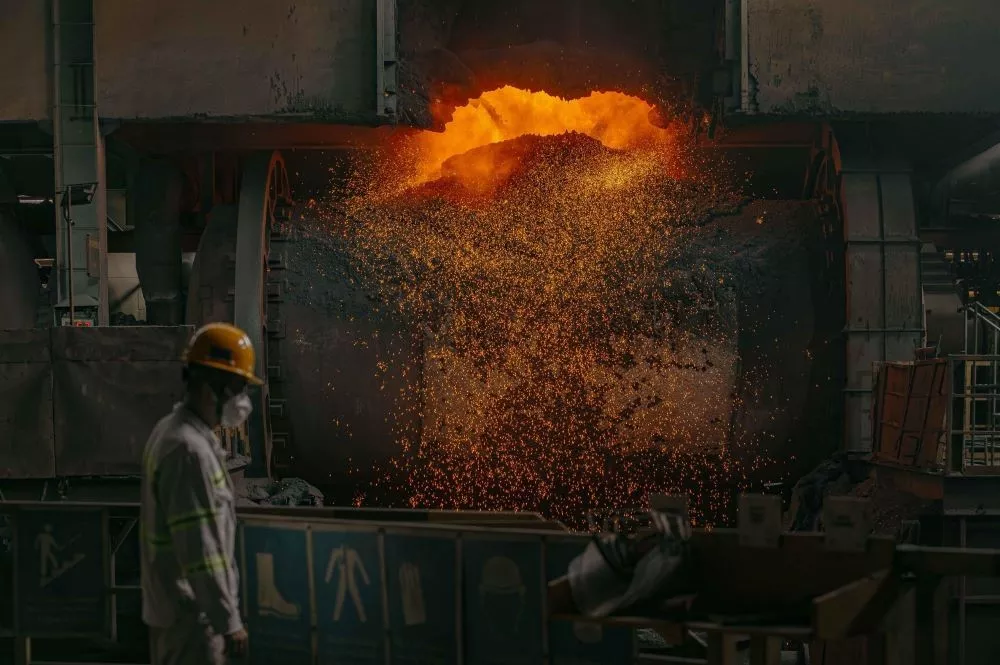
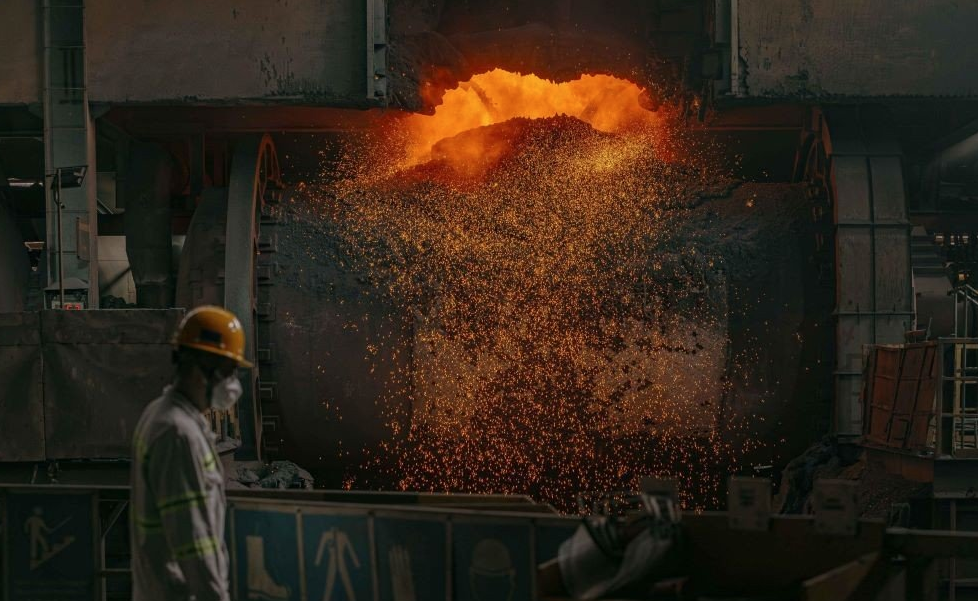
Indonesia is preparing to allow a significant increase in nickel mining production in the second half of this year, a move expected to ease ore supply for domestic smelters but potentially weigh on global nickel prices.
The Ministry of Energy and Mineral Resources (ESDM) has informed several mining companies that its mid-year revision will raise the country's total mining production quota, known as the Rencana Kerja dan Anggaran Biaya (RKAB), to 360 million tonnes this year.
As reported by MINING.COM, the information was disclosed by sources familiar with the matter.
The revised quota represents a sharp increase from the approximately 260 million tonnes approved during the first half of the year.
The planned relaxation of the quota remains subject to change and ultimately requires approval from Energy and Mineral Resources Minister Bahlil Lahadalia, the sources said.
Mining companies are scheduled to submit applications for higher RKAB allocations early next month.
A ministry spokesperson said the size of the revised quota has yet to be finalized.
If approved, the move would mark a significant shift from Indonesia's tighter nickel production policy introduced earlier this year.
That policy had contributed to a rally in nickel prices on the London Metal Exchange. Since banning exports of unprocessed nickel ore in 2020, Indonesia has expanded its share of global nickel production to around 60%, driven by tens of billions of dollars in investment from Chinese smelting companies.
Benchmark nickel futures reversed course and declined on Wednesday.
The contract fell as much as 2.7% to USD 16,705 per tonne on the London Metal Exchange before recovering slightly to trade at USD 16,860 per tonne by midday London time.
Mining companies such as PT Weda Bay Nickel, formerly the world's largest nickel ore producer, were forced to suspend production last month after exhausting their substantially reduced production quotas.
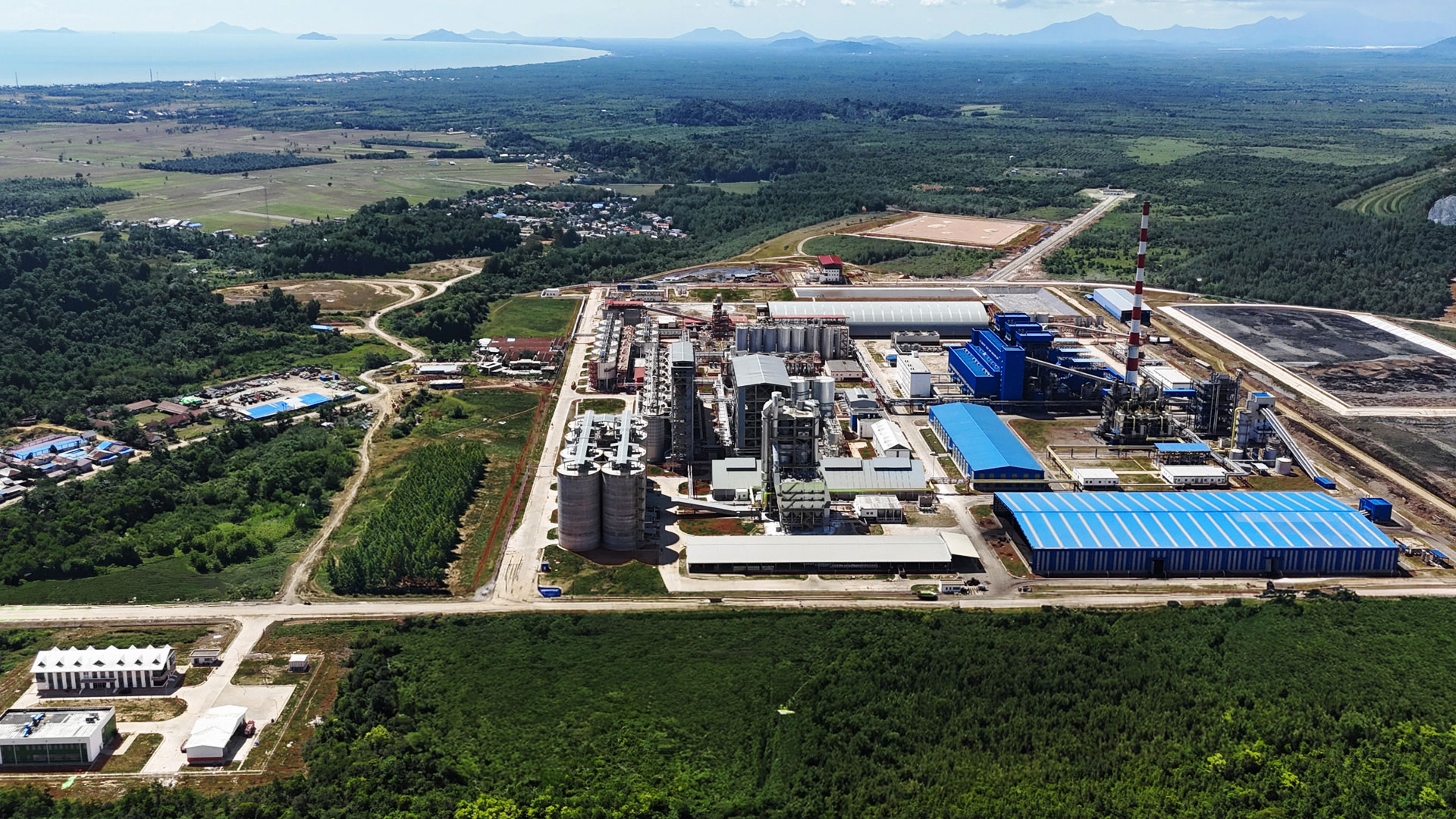
Meanwhile, other producers, including PT Vale Indonesia Tbk (INCO), require significantly higher quotas to supply new processing facilities scheduled to begin operations.
Although RKAB allocations serve as the government's annual guideline for Indonesia's nickel production, they do not directly reflect actual output volumes.
All mining companies, including those still in the exploration stage and not yet producing, are required to obtain RKAB approval from the ministry.
In addition, companies granted higher quotas may not be able to immediately achieve the increased production targets, as expanding operational capacity takes time.
Mining operations in Indonesia are also frequently disrupted by weather conditions, particularly heavy rainfall.
Advertisement