Indonesia's Mineral Downstream Investment Hits IDR 98 Trillion in Q1 2026, Led by Nickel, Copper and Bauxite
Wed 24 Jun 2026, 17:14 PM
Share
Indonesia's mineral downstream sector recorded strong investment performance in early 2026. Based on data from the Ministry of Energy and Mineral Resources (ESDM), realized investment in mineral downstream industries reached IDR 98.3 trillion in the first quarter of 2026, accounting for around 67% of total downstream investment, which amounted to IDR 147.5 trillion. The figures show that minerals remain the main driver of Indonesia's downstream program, with nickel, copper, and bauxite emerging as the three largest investment-attracting commodities.
Nickel Leads Mineral Downstream Investment at IDR 41.5 trillion
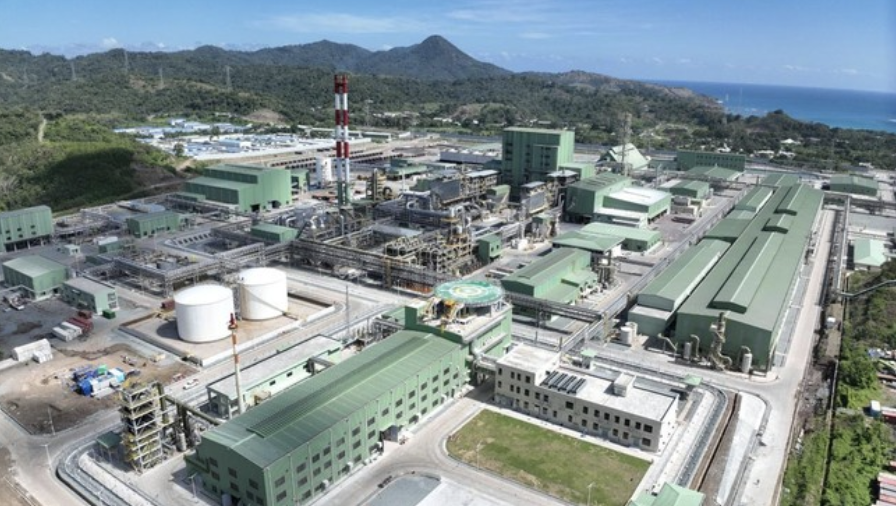
Nickel once again led mineral downstream investment, with realized investment reaching IDR 41.5 trillion in the first quarter of 2026. The figure reflects Indonesia's strong position as a major global player in the electric vehicle battery supply chain. Central Sulawesi and North Maluku were the two regions with the highest concentration of nickel investment, where nickel processing industrial parks and EV battery ecosystems are developing rapidly.
ANTAM, as part of the MIND ID Group, is a key player in the nickel value chain. Significant investment in the nickel sector has been driven by growing global demand for lithium-ion batteries, in line with the accelerating adoption of electric vehicles in Europe, America, and East Asia.
Copper and Iron and Steel Record Significant Investment
Copper ranked second, with downstream investment totaling IDR 20.7 trillion in the first quarter of 2026. PT Freeport Indonesia is the main player in this commodity, with its copper and gold mine in Papua continuing to make a significant contribution to the country's foreign exchange earnings. The copper downstream program is focused on developing higher value-added products such as copper cathodes and downstream products for the electronics and infrastructure industries.
The iron and steel sector also recorded strong performance, with investment reaching IDR 17 trillion, reflecting the growth of the domestic steel industry driven by infrastructure demand. Meanwhile, bauxite, the raw material for aluminium, recorded investment of IDR13.7 trillion, followed by tin at IDR 2.9 trillion and other commodities at IDR 2.5 trillion.
75% of Investment Outside Java Boosts Regional Economies
One of the most notable positive impacts of the mineral downstream program is the more even geographical distribution of investment. Around 75% of total mineral downstream investment in the first quarter of 2026 was located outside Java, mainly concentrated in mineral-producing regions such as Central Sulawesi, North Maluku, Papua, and Bangka Belitung.
The concentration of investment in these regions has not only created direct employment in the mining and processing sectors but has also supported local economic growth through demand for infrastructure, services, and supporting labour. Going forward, the government aims for Indonesia to become a key global player in the EV battery supply chain and green technology by leveraging its abundant reserves of strategic minerals.
Source: https://pintu.co.id/news/281397-investasi-hilirisasi-mineral-indonesia-2026/amp
Advertisement