Indonesia’s Nickel Downstream Industry Generates IDR 690.3 Trillion in Investment Over Five Years
Fri 24 Jul 2026, 13:22 PM
Share
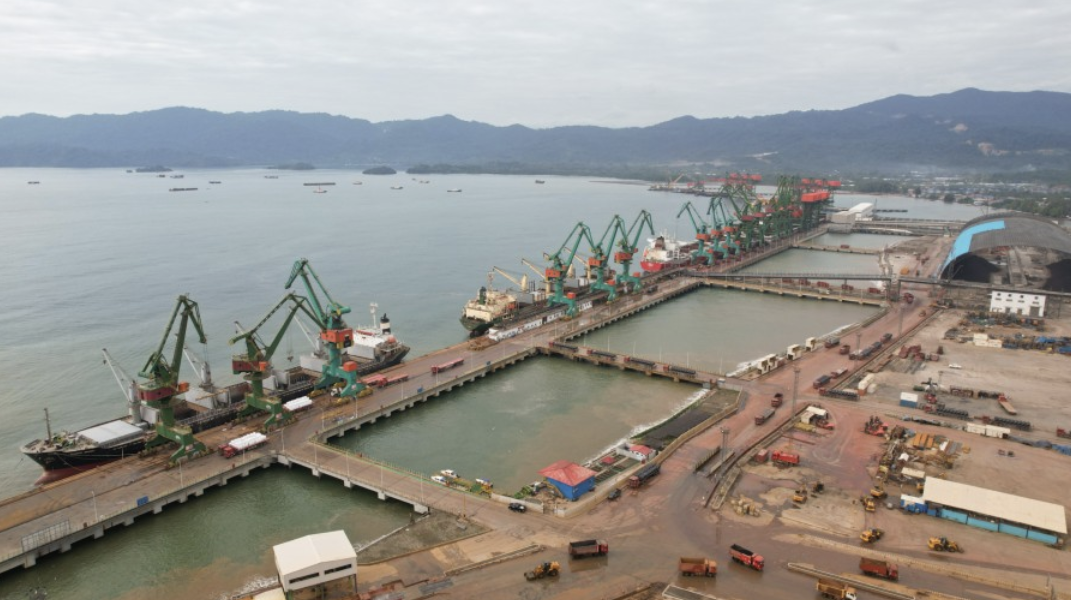
The Indonesian Nickel Industry Forum (FINI) has stressed that the country's nickel downstream industry continues to play a highly strategic role in Indonesia's investment landscape, despite being overtaken by bauxite downstream investment in the second quarter of 2026.
FINI Chairman Arif Perdana Kusumah said realised investment in the nickel downstream sector reached IDR 690.3 trillion between 2020 and 2025, making it one of the country's key drivers of economic growth.
"Realised investment in the nickel downstream industry during the 2020–2025 period reached IDR 690.3 trillion, equivalent to USD 44.54 billion," Arif told Bisnis on Friday (24 July 2026).
Arif said the rapid progress of Indonesia's nickel industry becomes even more apparent when compared with the downstream development of other mining commodities, such as bauxite.
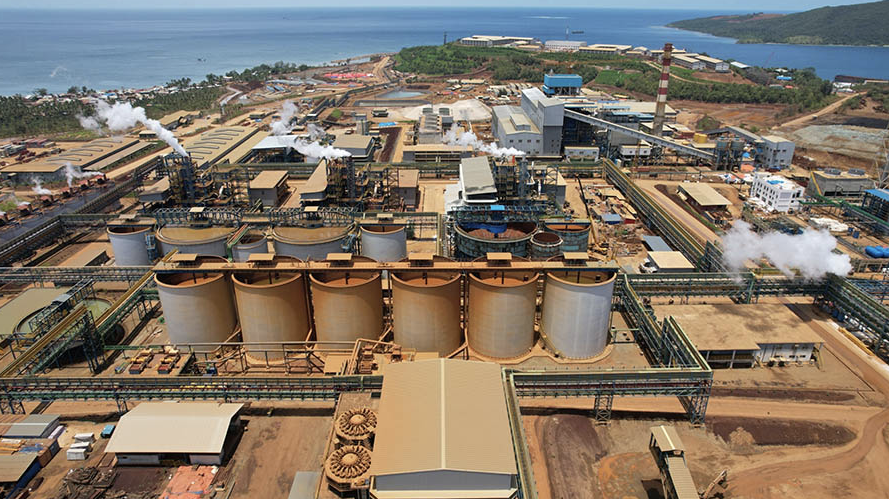
According to him, Indonesia's nickel processing industry has expanded rapidly since the government firmly enforced its ban on nickel ore exports.
"Indonesia's nickel downstream industry has grown tremendously since the government introduced the nickel ore export ban in 2014. Its progress is far ahead of that seen in the bauxite sector," he said.
He added that Indonesia's nickel processing and refining capacity has increased sharply over the past five years.
The expansion covers both pyrometallurgical and hydrometallurgical processing technologies, including high-pressure acid leach (HPAL) facilities.
"Between 2020 and 2025 alone, Indonesia added around 1.5 million tonnes of installed nickel processing and refining capacity, bringing total installed capacity to 2.7 million tonnes of contained nickel by 2025," Arif said.
The total installed capacity of 2.7 million tonnes of contained nickel comprises 2.1 million tonnes of nickel pig iron (NPI), ferronickel (FeNi), and nickel matte, while the remaining 400,000 tonnes consist of mixed hydroxide precipitate (MHP) and nickel sulphate.
Future Outlook
Looking ahead, FINI remains optimistic that capital inflows into Indonesia's nickel sector will continue.
Arif said the expansion of HPAL processing facilities alone is expected to require substantial investment over the coming years.
"Additional HPAL capacity planned for 2026–2028 will require around USD 20 billion in new investment," he said.
Beyond expanding primary processing capacity, investment in the nickel sector is also expected to shift towards higher value-added downstream products.
This aligns with Government Regulation (PP) No. 28/2025 on Risk-Based Business Licensing, which the government is using to limit permits for new nickel smelter investments.
"Going forward, with the issuance of PP No. 28/2025, investment in the nickel industry will be directed further downstream to produce higher value-added products, including stainless steel, nickel sulphate, precursors, cathodes, and electric vehicle batteries," Arif said.
According to data from the Ministry of Investment and Downstream Processing/Investment Coordinating Board (BKPM), domestic bauxite downstream projects became Indonesia's largest downstream investment destination for the first time in the second quarter of 2026, overtaking nickel, which had long dominated investment in the mineral processing sector.
Investment in the bauxite sector reached IDR 40.1 trillion during the quarter, making it the largest contributor to national investment growth. The figure represented a 193% increase from IDR 13.7 trillion recorded in the first quarter of 2026.
Nickel ranked second with realised investment of IDR 29.4 trillion, followed by copper at IDR 16.7 trillion, steel at IDR 13.2 trillion, silica sand at IDR 4 trillion, and other commodities—including tin, gold, silver, cobalt, manganese, coal, Buton asphalt, and rare earth metals—which together attracted IDR 4.7 trillion in investment.
Advertisement