MIND ID Eyes Domestic Sulfur Potential from Mining Byproducts to Cut Imports
Thu 25 Jun 2026, 17:49 PM
Share
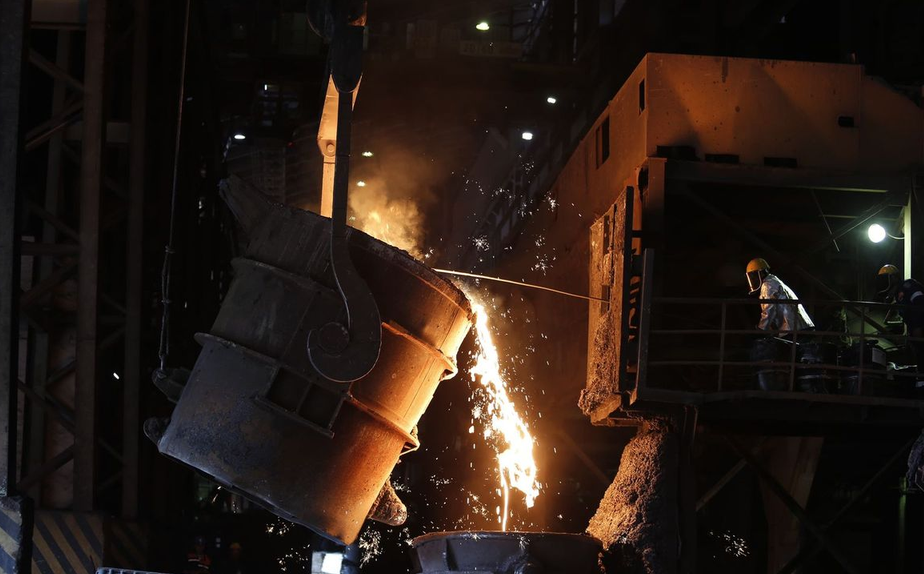
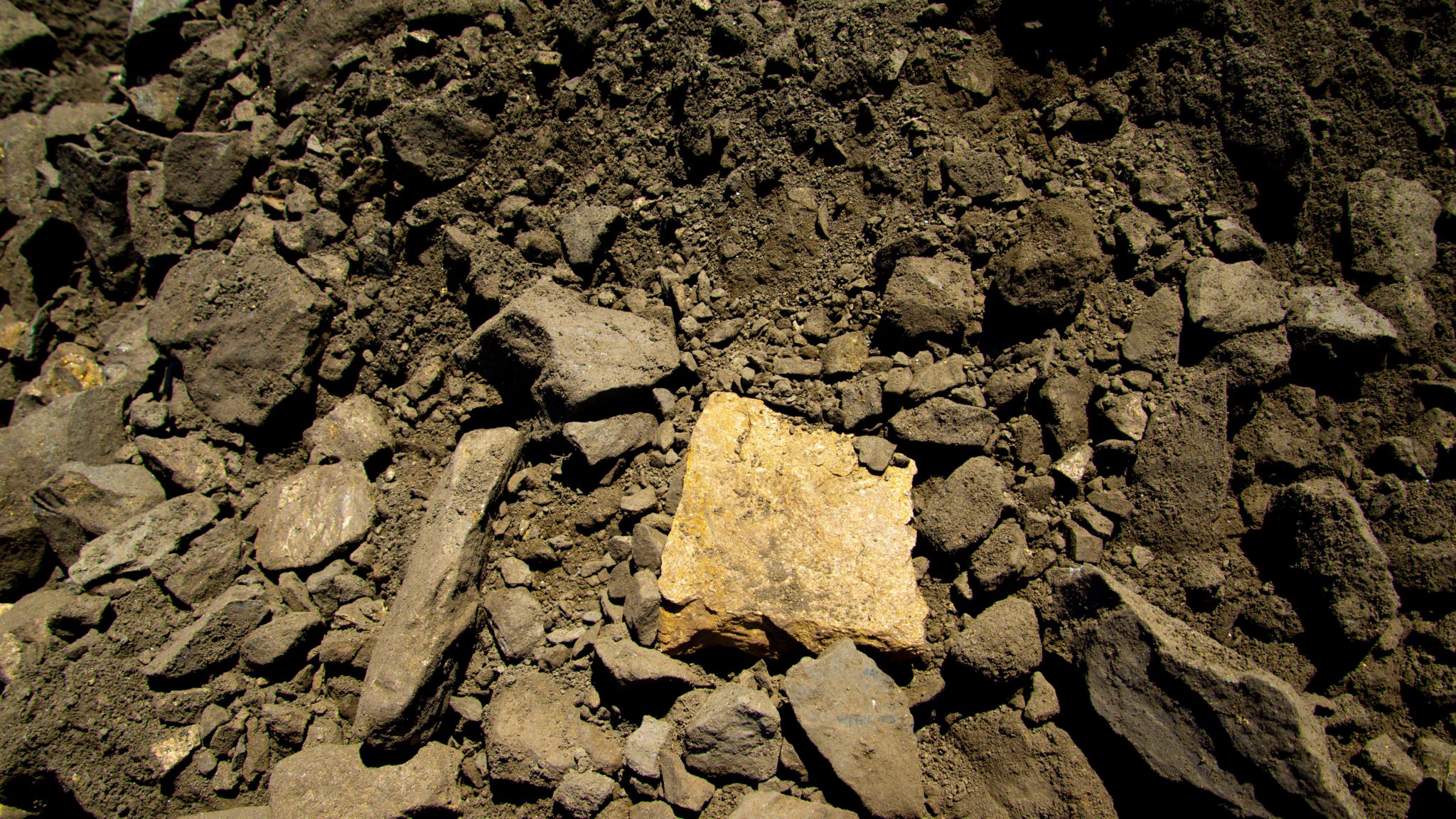
MIND ID has begun mapping the potential development of domestic sulfur sources derived from copper and gold mining by-products. The initiative aims to strengthen raw material supply for the nickel downstream industry while reducing Indonesia’s reliance on imported sulfur.
MIND ID Director of Mineral Resource Processing Planning, Budi Santoso, said the move is part of the company’s strategy to support the strengthening of the national mineral downstream ecosystem.
According to Budi, sulfur demand for the high pressure acid leach (HPAL) nickel processing industry continues to increase in line with the expansion of the electric vehicle battery raw material industry. To that end, MIND ID and its holding members are inventorying sulfur potential that can be extracted from copper and gold mining by-products.
“By-products from copper and gold mining, in the form of iron oxide and iron sulfate, have the potential to be processed and extracted to produce sulfur and sulfuric acid that can be utilized to meet industrial demand,” Budi said in an official statement quoted on Thursday (June 25, 2026).
He explained that the development of domestic sulfur sources is becoming increasingly strategic as the number of HPAL projects in Indonesia grows. Sulfur is the primary raw material used in the leaching process of limonite nickel ore to produce mixed hydroxide precipitate (MHP), an intermediate product in the electric vehicle battery supply chain.
MIND ID estimates sulfur demand will rise significantly alongside the expansion of nickel processing capacity. Based on the company’s calculations, producing one ton of MHP requires around 11.7 tons of sulfur. As a result, every increase in HPAL capacity will drive higher national sulfur consumption.
On the other hand, Indonesia remains dependent on imported sulfur supplies. Budi revealed that more than 70% of sulfur demand for the nickel processing industry is currently met through imports, with around 75% to 80% of supply originating from the Middle East.
“The current situation shows that more than 70% of sulfur demand for the nickel industry still comes from imports, while most of the supply originates from the Middle East, a region facing geopolitical dynamics,” he said.
Industry data show that Indonesia imports around 5.3 million tons of sulfur annually. The heavy reliance on imports is considered to increase the risk of supply disruptions and price volatility, which could ultimately affect the competitiveness of the country’s nickel downstream industry.
In addition to sulfur, MIND ID also sees lithium supply as a continuing challenge for the development of the national battery industry. According to Budi, this is a key reason for Indonesia to continue developing nickel-based battery technology that leverages the country's abundant domestic mineral resources.
“We need to encourage the development of more efficient nickel-based battery technology, considering Indonesia has large nickel reserves, while lithium raw materials still have to be imported,” he said.
The development of domestic sulfur sources and innovation in nickel-based battery technology are expected to strengthen the independence of Indonesia’s mineral industry while enhancing the country’s position in the global electric vehicle supply chain.
Advertisement