Timah Steps Up Exploration to Extend Tin Mine Life
Thu 12 Nov 2026, 15:20 PM
Share
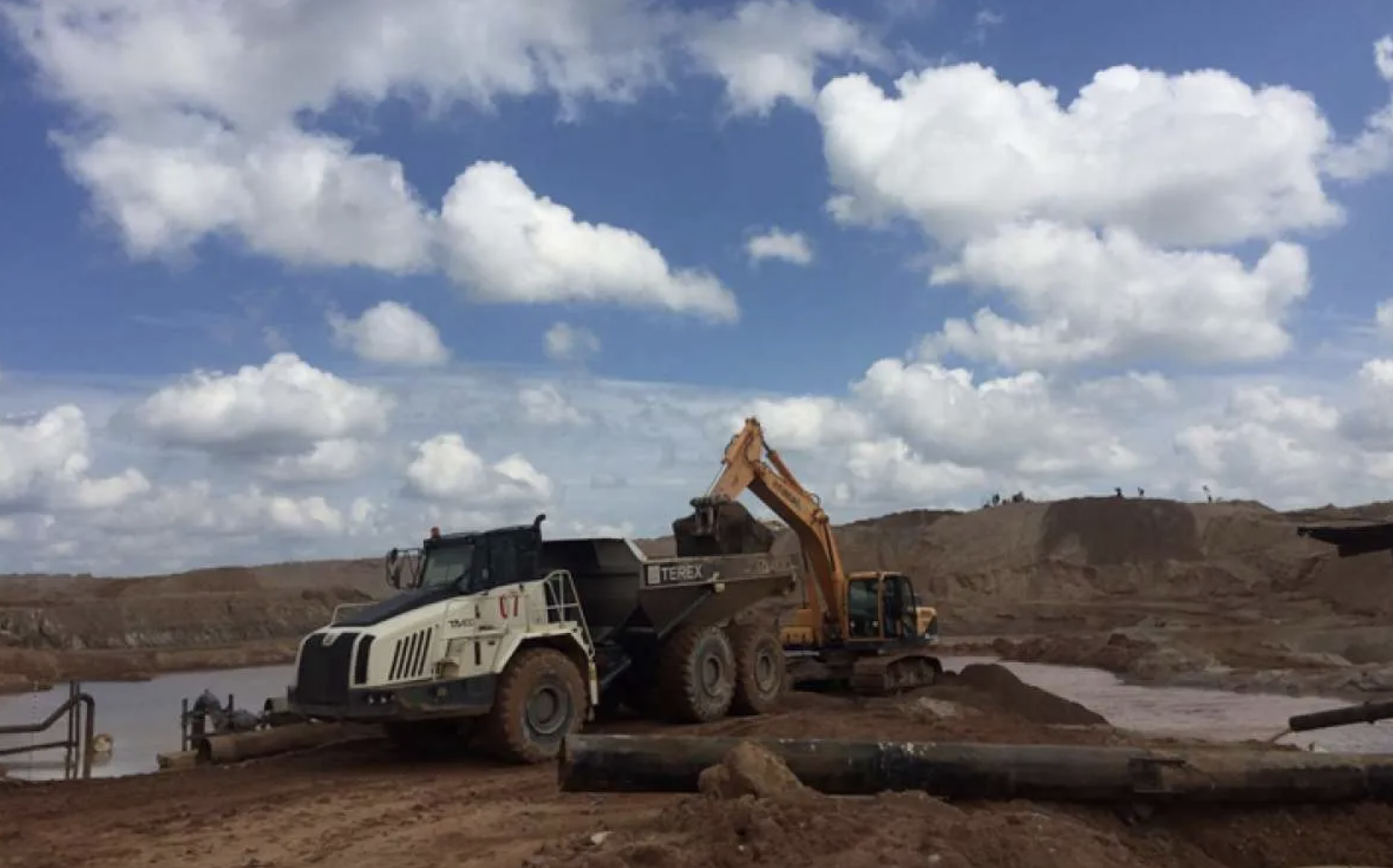
PT Timah Tbk (TINS) is intensifying its exploration activities to increase tin reserves and ensure the long-term sustainability of its production operations.
TINS Director of Production and Commercial, Ilhamsyah Mahendra, stated that Indonesia accounts for approximately 25%–30% of the global tin market, making it one of the world's largest tin producers. The country also holds significant tin resource potential, ranking second only to China.
Despite its substantial resource potential, Indonesia's tin reserves remain limited relative to production targets. TINS currently has nearly 800,000 tonnes of tin resources but only around 300,000 tonnes of reserves. With an annual production target of approximately 30,000 tonnes, the company's remaining life of mine (LOM) is estimated at just 10 years.
“Our current resources stand at nearly 800,000 tonnes, while reserves amount to approximately 300,000 tonnes. With an annual production target of around 30,000 tonnes, our remaining mine life is only 10 years, given the limited reserves,” Ilhamsyah said during a media briefing in Jakarta on Wednesday (11 November 2026).
To address this challenge, TINS plans to accelerate exploration activities to convert more resources into economically viable reserves. The initiative aims to extend the company's mine life to 25 years, in line with the benchmark outlined by Ilhamsyah.
Ilhamsyah also highlighted the global tin market's supply and demand dynamics. Global tin consumption reached approximately 360,000–370,000 tonnes annually during 2024–2025, while worldwide production stood at around 340,000–350,000 tonnes per year.
However, efforts to increase production face challenges due to limited capacity expansion. According to Ilhamsyah, there has been no significant increase in global tin metal production capacity over the past four to five years, largely because of economic uncertainty.
“Over the past four to five years, there has been no significant expansion in tin metal production capacity. Companies are considering long-term investments, but macroeconomic uncertainty has discouraged expansion, resulting in limited growth in global tin metal production,” he explained.
Beyond exploration, TINS is also focusing on improving operational efficiency and optimising production technology. These efforts include increasing equipment productivity, upgrading technology and strengthening operational capabilities to enhance efficiency and competitiveness in the global market.
Ilhamsyah emphasised that technological improvements remain essential to increasing productivity and supporting the company's long-term growth.
“We need to accelerate our adoption of technology and strengthen our operational equipment. Alongside expanding our reserves to reinforce our global position, we must also ensure that our production processes are efficient and effective,” he said.
In addition, TINS continues to work towards compliance with international responsible mining standards, including the Responsible Minerals Assurance Process (RMAP). Compliance with these standards is among the requirements for marketing its tin products through the London Metal Exchange (LME), particularly to customers in Western markets.
The standards cover product traceability, verification of mineral origins and legal compliance. According to Ilhamsyah, the company undergoes audits every two years to ensure that these requirements are met.
“Customers in Western markets, particularly Europe and the United States, place significant importance on environmental responsibility. They are willing to purchase our products when they have been certified through the required audits,” he explained.
Despite ongoing challenges associated with illegal tin mining, Ilhamsyah reaffirmed the company's commitment to maintaining compliance with applicable standards.
“Amid the current issues surrounding illegal mining, we remain committed to compliance,” he added.
Looking ahead, Ilhamsyah expressed hope that the government's increasing attention to the mining sector would help unlock Indonesia's mineral resource potential.
He noted that while Indonesia's substantial mineral resources have long been recognised, concrete measures are needed to translate that potential into economic benefits and higher state revenue.
“Indonesia is widely recognised for its significant mineral resource potential. The question is when we can fully realise it. With the President's strong attention to the sector, this is an opportunity to improve the tin industry and strengthen PT Timah as a state-owned enterprise, ultimately increasing state revenue,” Ilhamsyah concluded.
Source: https://industri.kontan.co.id/news/timah-tins-genjot-eksplorasi-untuk-kerek-umur-tambang-timah
Advertisement