MIND ID Emphasizes Green Nickel Transformation to Strengthen Indonesia’s Position in the Global Critical Minerals Sector
Tue 02 Dec 2025, 06:12 AM
Share
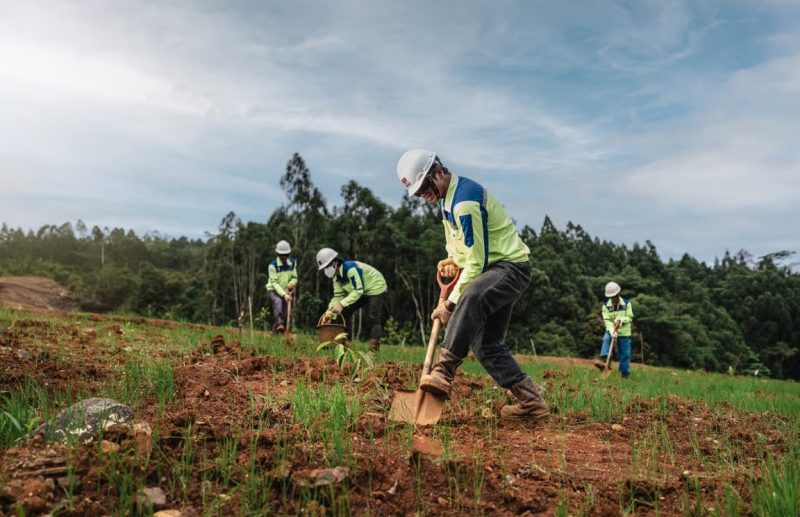
At the COP30 UN Climate Change Conference, the MIND ID Group emphasized that the future of Indonesia’s nickel industry can only be sustainable if it is built on a green foundation and low-carbon technologies. PT Vale Indonesia Tbk, part of MIND ID, stated that the transition to green nickel is key for Indonesia to strengthen its position as a global player in critical minerals in the energy-transition era.
In a COP30 panel discussion, PT Vale Indonesia Tbk’s Director and Chief Sustainability and Corporate Affairs Officer, Budi Awansyah, stressed that Indonesia’s contribution to the global climate agenda cannot be measured merely by the size of its critical-mineral reserves. What matters more is how the nickel industry is managed with environmental and sustainability standards that meet global expectations.
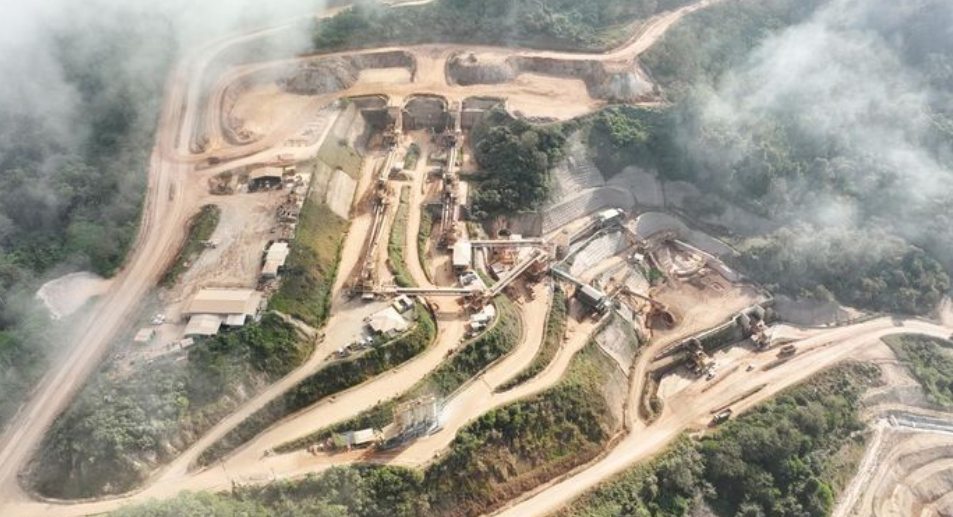
Budi noted that Indonesia holds more than 40 percent of the world’s nickel reserves, making it a strategic hub in the electric-vehicle and battery supply chain. However, he said public perceptions of mining remain colored by concerns over landscape change and pressure on forests. Therefore, transforming into a green industry must be a consistent and measurable priority.
Addressing COP30 participants, Budi underscored that smelters are among the largest emitters in the extractive industry. Thus, if Indonesia wants to lead the global critical-minerals ecosystem, the national nickel industry must first demonstrate leadership through low-carbon operations, energy efficiency, and tighter governance.
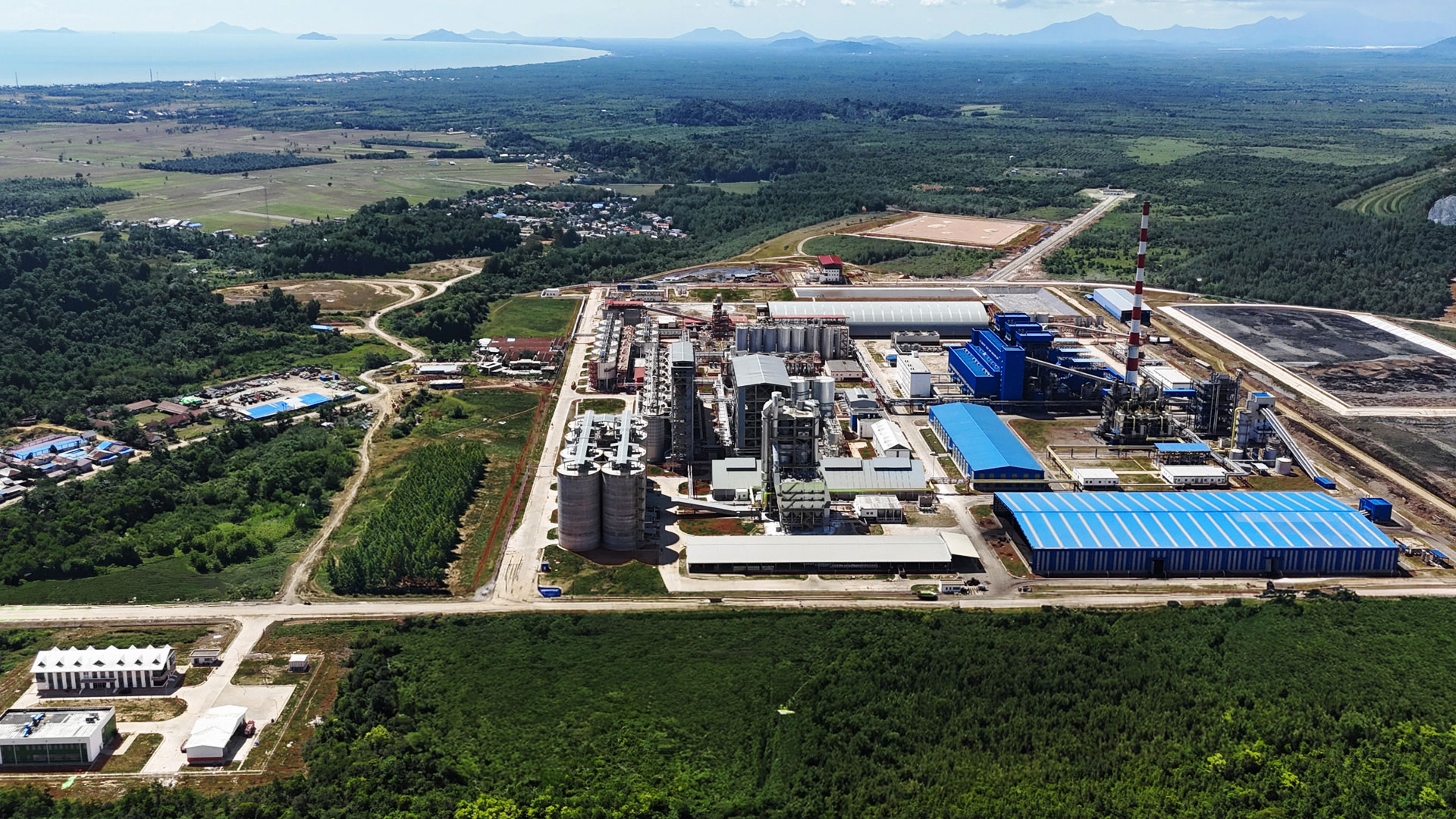
According to Budi, PT Vale Indonesia Tbk has implemented various decarbonization measures, ranging from the use of clean energy such as hydropower, improvements in smelter efficiency, waste-heat optimization, to the utilization of CO gas and hydrogen in production processes. Vale has also recorded tangible environmental performance: total water use of 8,498.94 megaliters with an intensity of 0.12 megaliters per ton of nickel, as well as the reuse of 510 m³ of water at the Lamella Gravity Settler facility as feedstock for a ferrous-sulfate solution.
On waste management, the company successfully repurposed 1,453 tons of hazardous waste (B3) and 377,964 tons of non-hazardous nickel slag into construction materials and mine-road surfacing. For this consistency, Vale received the PROPER Gold award from the Ministry of Environment and Forestry, making it the only integrated nickel-mining company to receive the highest distinction in 2024.
“Achievements such as recycled-water use, responsible waste management, and the PROPER Gold award prove that the low-carbon transformation is not just rhetoric, but already a reality on the ground,” Budi said.
In his presentation, Budi also highlighted Vale’s sustainability score dropping to 23.7, the lowest score in the history of global smelter operations. According to him, this shows that the low-carbon transformation is not mere rhetoric but has been tangibly implemented in the company’s operations. He added that this achievement aligns with MIND ID’s vision to position Indonesia as a regional leader in a globally competitive green-nickel industry.
Through the COP30 forum, the MIND ID Group reiterated that Indonesia’s strength in critical minerals lies not only in resource availability, but in its ability to build supply chains that meet international standards, aligned with Net Zero Emissions targets and the Nationally Determined Contribution (NDC).
With the momentum of COP30, MIND ID affirmed that Indonesia is ready to take further steps as a country that is not only rich in strategic minerals, but also committed to leading the global critical-minerals market through low-carbon technologies, sustainable operations, and an increasingly integrated green-nickel ecosystem.
Advertisement