TMS Targets October Start for Sangihe Gold Mine Production
08 Sep 2026, 03:47 PM
53
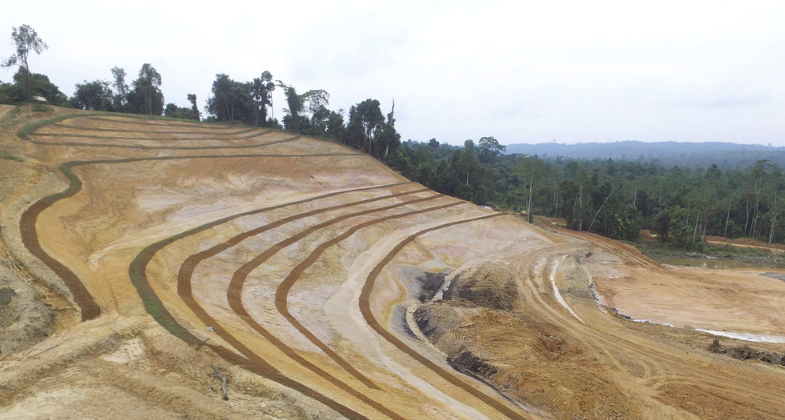
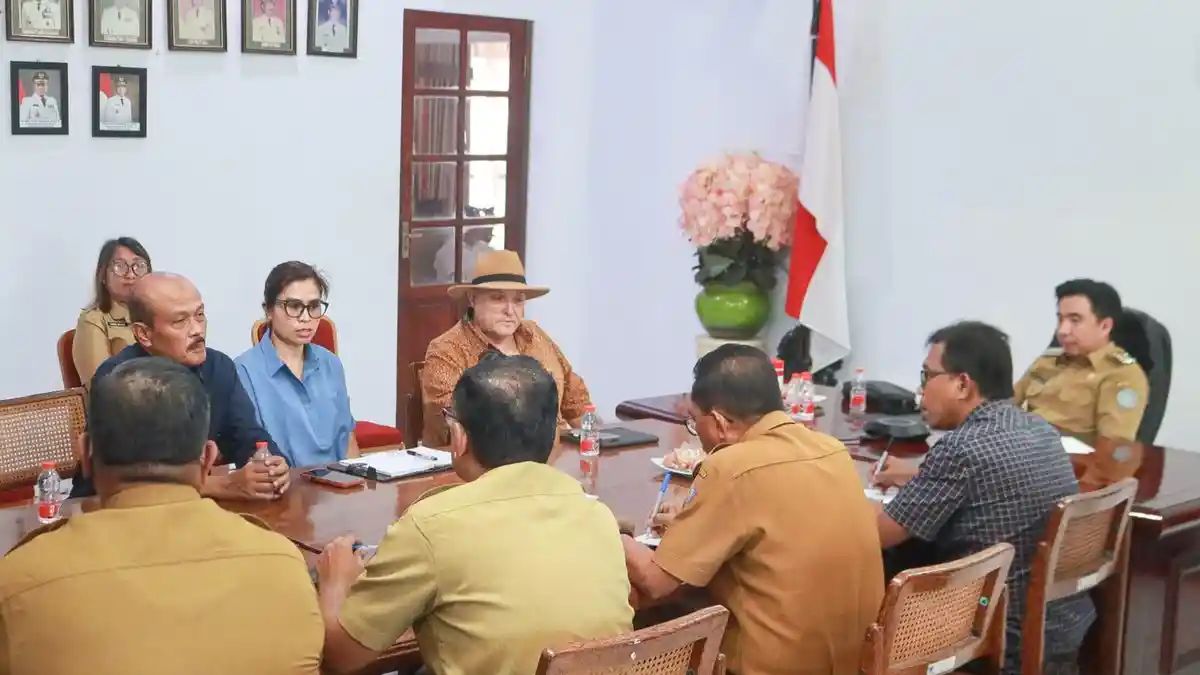
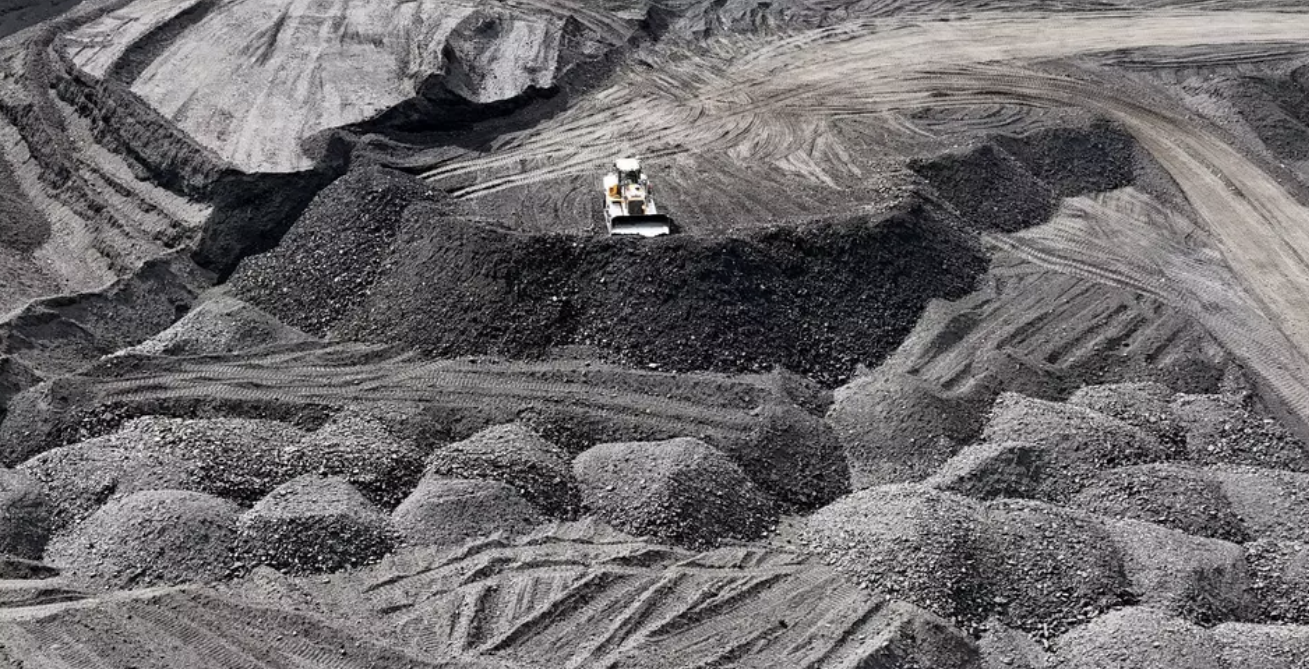
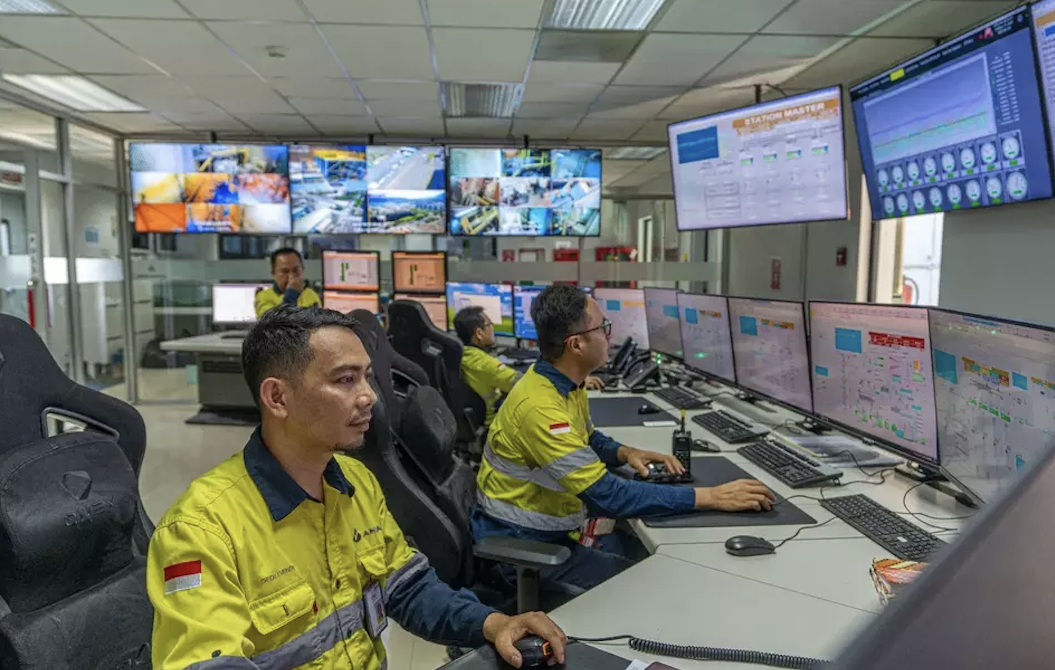
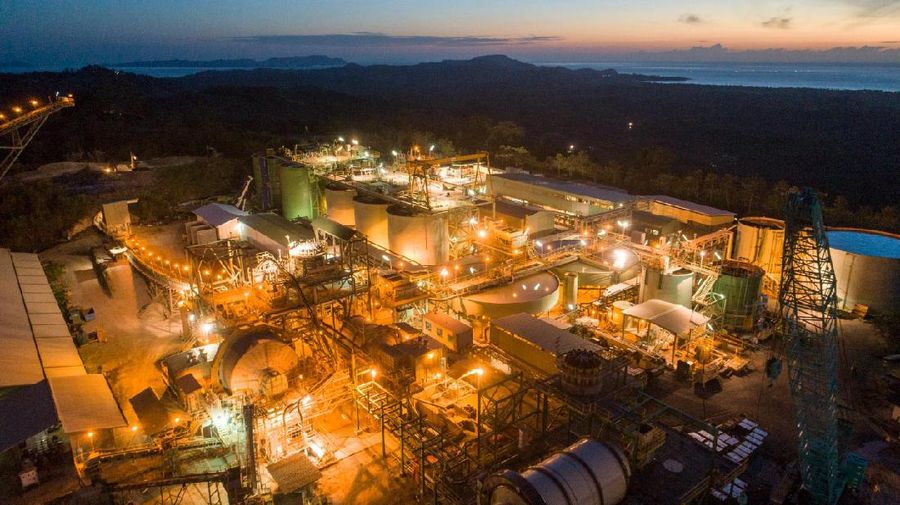
PT Tambang Mas Sangihe (TMS) is targeting the reissuance of approval for gold mining production operations on Sangihe Island, North Sulawesi, in October 2026.TMS President Director Terry Filbert said the company is currently still awaiting the reissuance of the production operations approval, which was previously granted in 2021 but was later temporarily revoked on administrative grounds in 2023.“We hope that in the near future, hopefully next month, we will receive it,” Filbert said during a discussion with journalists on Thursday, September 3, 2026.According to Filbert, the company has fulfilled all requirements requested by the government. The application for the reissuance of the production operations approval was submitted on October 25, 2025, and the company is currently waiting for the Ministry of Energy and Mineral Resources (ESDM) to complete the process.TMS, he said, has completed a feasibility study, an environmental impact assessment (AMDAL), a project development plan, and a post-mining plan, and has also prepared a reclamation guarantee.The company also said it is still conducting community engagement around the proposed mining area.“We actually have not completed the community engagement. We are still in the process of engaging with the community — this is an ongoing process,” he said.Only 65 HectaresFilbert said TMS has a relatively large contract area of around 42,000 hectares. However, only around 65 hectares will be used for mining activities because the area has been approved under the AMDAL.Filbert stressed that holding a large concession area does not mean the entire area will be used for mining activities.“Just because we have 42,000 hectares does not mean we will use 42,000 hectares,” he said.He said mining activities will only be carried out in designated areas that have previously been planned and explored.Illegal Mining ActivitiesFilbert also stressed that TMS has never conducted mining or gold processing activities at the site.Instead, he suspected that illegal mining activities had been taking place while the company’s licensing process was delayed since 2023.“We have never conducted any mining activities at all. We have never carried out a single process here,” he said.According to Filbert, the illegal mining activities even involved heavy equipment. He said there were as many as around 50 units of heavy equipment at the site.Filbert also claimed that the activities had caused environmental damage and accidents.He said at least six people had died in illegal mining activities that he was aware of and that had been publicly reported. He also suspected that mangrove areas and protected forests had been damaged, and that mercury contamination had occurred in water and soil.Company Promises Priority for Local WorkersIf the production operations approval is reissued, TMS said its mining activities will provide economic benefits for the people of Sangihe.The company will prioritize qualified local workers who meet the required qualifications.“If you are from Sangihe, you will have the first opportunity for the job if you meet the qualifications,” he said.In addition to creating direct and indirect employment, TMS plans to provide technical training and employment benefits in accordance with Indonesian labor regulations.Filbert also said the company will provide wages and various employment benefits, including health insurance and social security.He hopes the company’s activities can drive growth in non-mining sectors, including services, trade, tourism, and transportation.TMS Plans to Support TourismTMS also said it plans to support tourism development in Sangihe, particularly diving tourism.Filbert said Sangihe has marine tourism potential, including coral reefs, manta rays, and a number of diving sites.The company is even considering supporting and subsidizing improved air connectivity to Sangihe to encourage tourist arrivals.“Not everyone can be a miner. Not everyone wants to be a miner,” he said.According to him, developing non-mining sectors is important so that the economic benefits generated by the company do not depend solely on employment in the mining sector.Company Promises Reclamation and Environmental MonitoringRegarding environmental protection, Filbert said TMS has prepared a reclamation guarantee of around USD 500,000.The company will also continuously monitor water quality and biodiversity, he said.Waste and tailings management have been planned from the outset. Reclamation will also be carried out gradually throughout the mining activities.“As we conduct mining, we will carry out reclamation. Then eventually, we will close and restore the entire area,” he said.Filbert said the company will preserve the topsoil during mining activities so that it can be reused in the reclamation process.Former mining areas will later be replanted with vegetation so that they are expected to resemble conditions before mining activities began.Geothermal Power Plant Under ConsiderationIn addition to mining activities, TMS said it plans to conduct an initial study on the development of a geothermal power plant on Sangihe Island.Filbert said the proposed power plant could have a capacity of 8 to 10 megawatts.According to him, a more stable electricity supply could help address the island’s current dependence on diesel-powered generators.Filbert believes a stable electricity supply would not only support the company’s operations but could also attract other industries to invest in Sangihe.“At the same time, the electricity could be distributed across the entire island,” he said.TMS also plans to improve internet connectivity, including providing high-speed internet access to schools and village offices through Starlink.The company said it has provided scholarships to university students and plans to continue supporting education and community facilities.TMS Licensing HistoryTMS originated from a Contract of Work granted by the Indonesian government in 1997 to a company called Bre-X. The project was subsequently acquired by a company then known as East Asia Minerals in 2007.Filbert joined the company in 2017 with the task of bringing the project to the production stage.TMS subsequently obtained environmental impact assessment (AMDAL) approval in 2020 and production operations approval in 2021.However, the production operations approval was later temporarily revoked on administrative grounds in 2023. Since then, the company has reapplied to commence production operations.Filbert said the company is currently waiting for the Ministry of Energy and Mineral Resources to complete the process so that the project can enter the production stage.