4 Facts About Indonesia's World's Largest Copper Factory: Capacity to Beat China
29 Jun 2023, 09:00 AM 8055

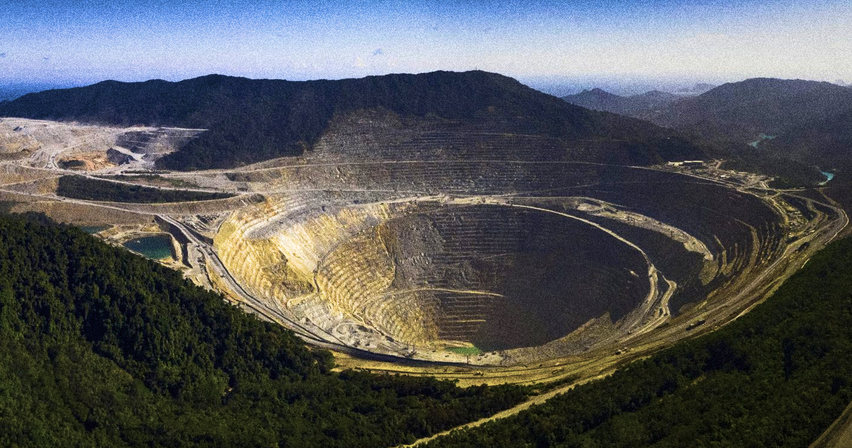
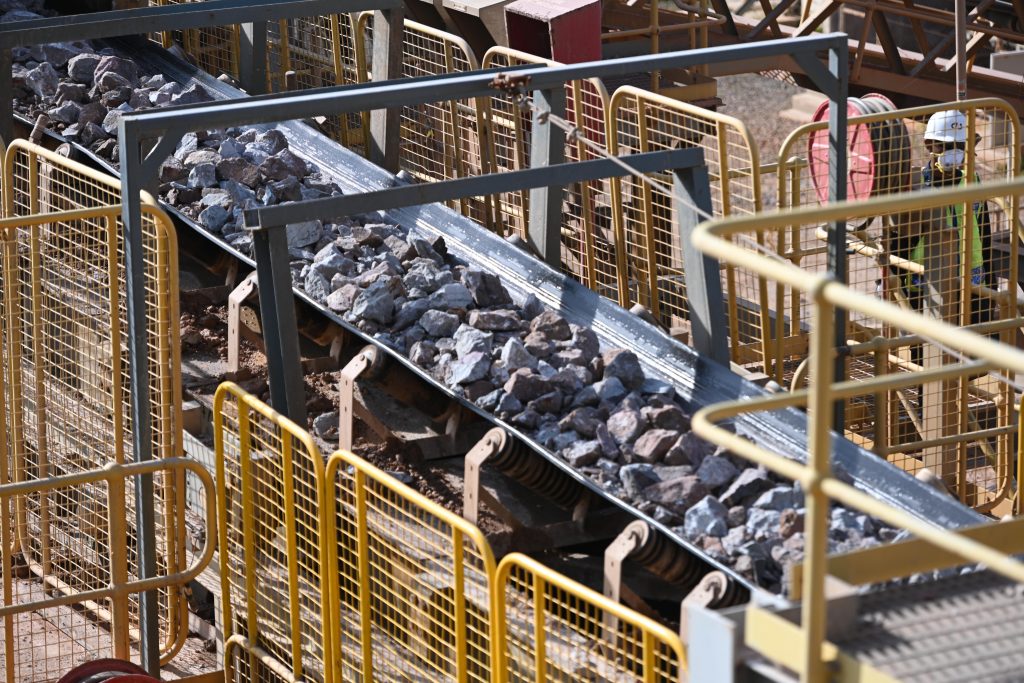
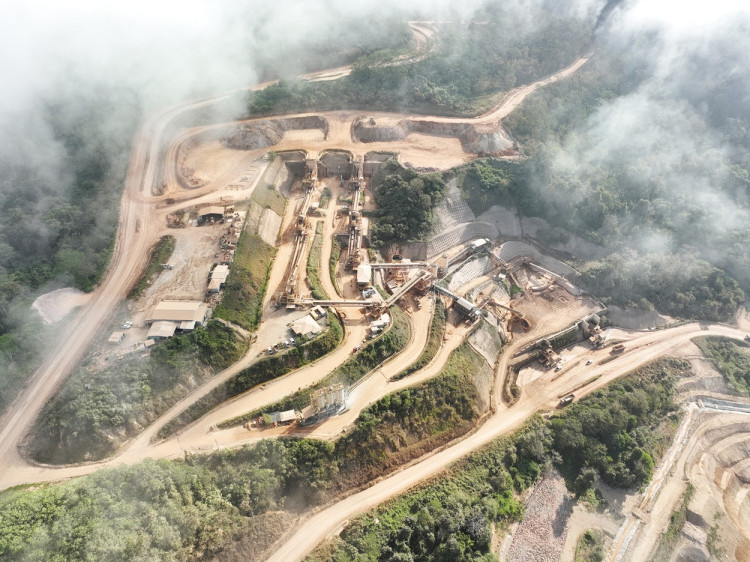
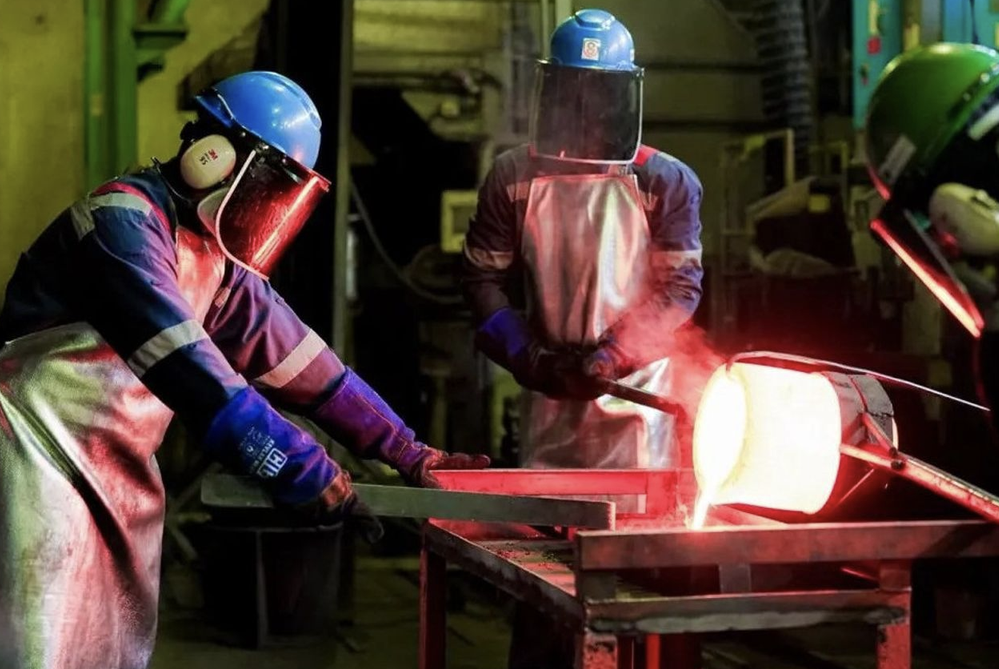
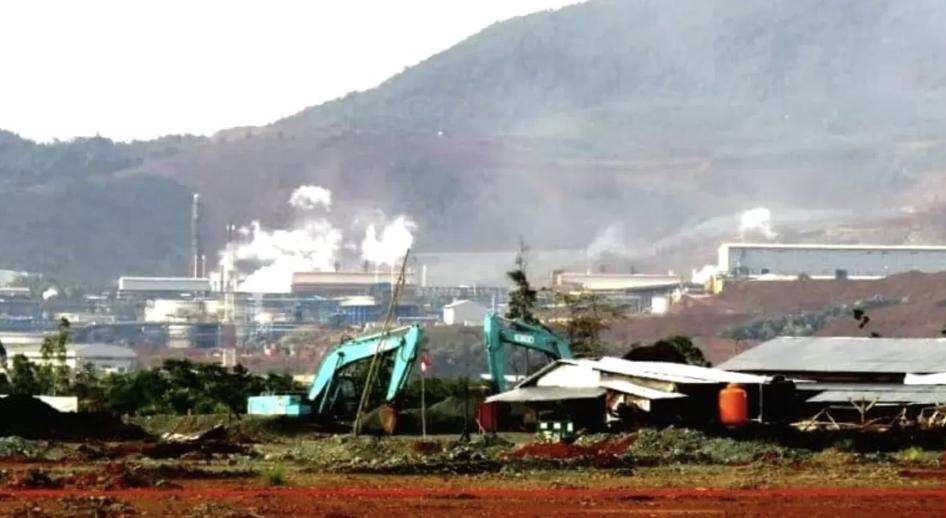
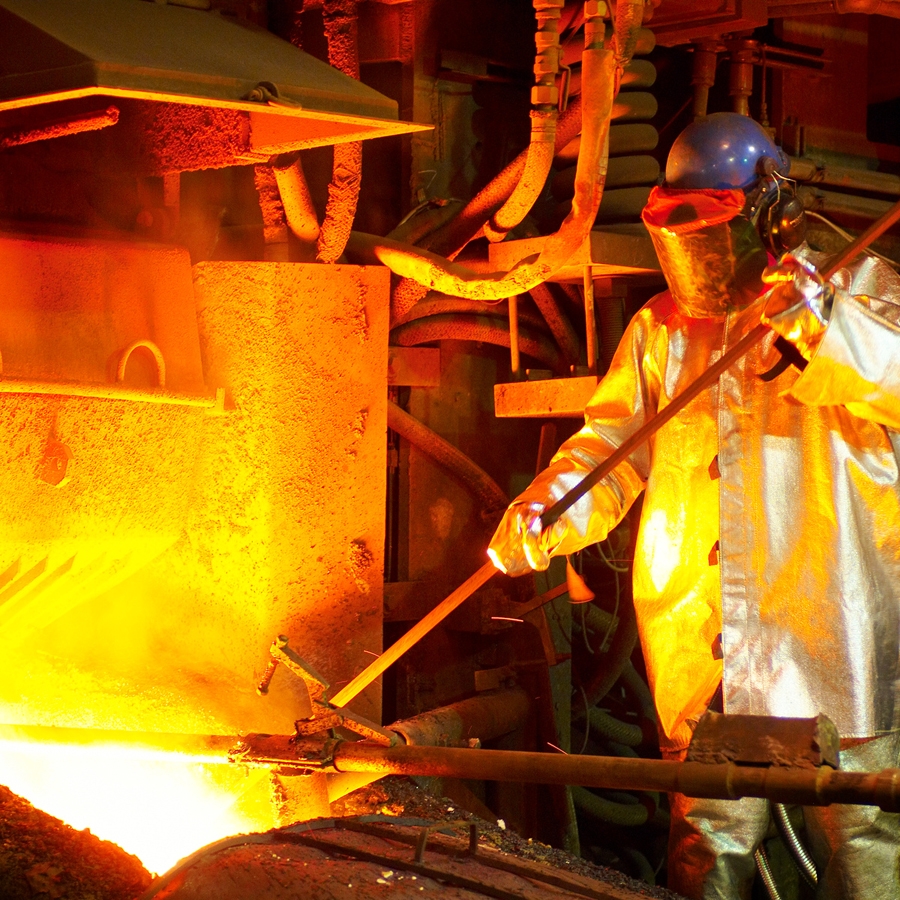
The world's largest copper factory owned by Indonesia presents some intriguing facts. PT Freeport Indonesia's copper smelter, located in the Java Integrated Industrial and Port Estate Special Economic Zone (JIIPE KEK) in Gresik, East Java, is poised to become a game-changer.With a processing and refining plant capacity of up to 1.7 million tons of copper concentrate per year, it surpasses the production capacity of any other copper smelter globally. For reference, according to Statista data (23/6), the Guixi Smelter owned by Jiangxi Copper Corp, currently the largest copper smelter, has a capacity of 900,000 metric tons per year as of June 2022.Following the Guixi Smelter, the Birla Copper factory in India and the Toyo factory in Japan rank as the second and third largest copper refining plants worldwide, respectively. Notably, Germany and Chile also feature in this ranking.On Tuesday (20/6), President Joko Widodo visited the PTFI copper smelter in Gresik to oversee its construction progress. The aim is for the factory to be fully operational by the end of 2024.There are more captivating facts about this remarkable factory. Let's explore them below.1. Impressive Investment ValueAccording to reports from Okezone.com (23/6), PT Freeport Indonesia has invested a staggering USD 2.2 billion, equivalent to IDR 33 trillion as of May 2023, for this project. The total investment in the smelter has reached USD 3 billion, around IDR 45 trillion. The Minister of Investment/Head of the Investment Coordinating Board (BKPM), Bahlil Lahadalia, disclosed these figures during the president's inspection of the PTFI smelter construction in Gresik, East Java.2. Near CompletionDuring the same visit, President Jokowi stated that the construction progress of the smelter is nearly 72% complete, with a target for full completion before May 2023. The pre-commissioning and commissioning stages are scheduled for May 2024, followed by operation commencement at the end of May 2024. The project has generated employment for approximately 13,000 people.3. Surpassing China's Production CapacityOnce operational, the smelter will boast a total copper processing capacity of up to 1.7 million tons and a precious metal refinery with an annual capacity of 6,000. The factory will be capable of producing 600,000 tons of copper, 50 tons of gold, and 210 tons of silver per year.4. Driving Downstream DevelopmentThe Indonesian government envisions PT Freeport Indonesia's smelter as a catalyst for downstream development. Historically, Indonesia has been primarily known as an exporter of raw materials. President Jokowi hopes that the smelter's production will integrate with other mining commodities to create high-value final products."This smelter is the foundation for us to become a developed country because, instead of relying solely on consumption, we will now have a production base," affirmed the president.These are just a few fascinating facts about Indonesia's largest copper factory in the world, which is poised to leave a lasting impact on the industry.Image source: MNC MediaSource: https://www.idxchannel.com/economics/4-fakta-pabrik-tembaga-terbesar-dunia-milik-indonesia-kapasitas-kalahkan-china#google_vignette

Indonesian Government Encourages Development of Nickel-Based Downstream Industry in Morowali, Centra...
29 Jun 2023, 08:00 AM 5620

The Indonesian government, along with members of parliament and the Ministry of Industry, is actively promoting the development of the stainless steel-based industry in the regency of Morowali. Following the successful establishment of the nickel downstream industry in the region, authorities are now seeking to attract investors and industrialists to invest in this sector.Eko S.A. Cahyanto, the Director General of the Industry Ministry, expressed his ministry's dedication to pursuing such investments during a parliamentary hearing on June 21, 2023. He emphasized the importance of expanding the nickel downstream industry in Morowali, stating, "This is what we continue to chase."Last year, the Ministry of Industry requested one of the tenants of the nickel's industrial estate, Indonesia Morowali Industrial Park, to provide raw materials for Jindal, an Indian kitchen appliance company. This partnership enabled Jindal to produce stainless steel for household appliances, marking a significant milestone.Indonesia Morowali Industrial Park (IMIP) serves as a major industrial park housing various nickel-related industries in Morowali Regency. It is the largest nickel processing site in Indonesia, which happens to be the world's top nickel producer. The park operates as a joint venture between Indonesian mining company Bintang Delapan Group and the Chinese firm Tsingshan Holding Group. Irsan Wijata, the Director of Operation at IMIP, highlighted that the industrial park's tenants and companies produce four clusters of products, including nickel pig iron, stainless steel slabs, stainless steel hot rolled coil, and stainless steel hot annealing pickling line.Cahyanto further explained that the development of nickel-based industrialization in Morowali would progress according to the industry ministry's roadmap. "We will develop industrialization gradually based on the roadmap," he stated.Liliek Widodo, the Director of Metal Industry at the Ministry of Industry, shared that the ministry has been actively encouraging producers of nickel-based products to meet the raw material demands of industries in Java, particularly the stove industry and electric-based product manufacturers. He added, "We will compile a plan for the development of downstream industry in Morowali as a follow-up to the development of the nickel downstream industry."Adian Napitupulu, a member of House Commission VII, previously highlighted the presence of nickel-based stainless steel production in Morowali for the past five years. However, there has been a lack of stainless steel-based industrialization in the region, with all stainless steel products being shipped to Java. Napitupulu emphasized the need for the Ministry of Industry to actively encourage and support the development of industrialization in Sulawesi.As a policy maker, Napitupulu expressed hope that the Ministry of Industry would facilitate industrialization in Morowali, including inviting small and medium enterprises to produce stainless steel-based kitchen utensils such as spoons and pans. He remarked, "We have been independent for 70 years, but we still import spoons."Sugeng Suparwoto, Chairman of the House's Commission VII, voiced concerns about Indonesia potentially depleting its natural resources, such as nickel, if the country solely focuses on exporting raw materials without developing local industries. He emphasized the need to add higher value to these resources and suggested that IMIP could collaborate with lithium and cobalt producers to manufacture batteries, considering nickel's significant role in energy storage.With the government's encouragement and support, Morowali aims to harness the potential of the nickel-based downstream industry, paving the way for economic growth, technological advancement, and increased self-sufficiency in the region.Image source: Enimtv.comSource: https://www.jakartadaily.id/resources/1629221987/indonesian-government-encourages-development-of-nickel-based-downstream-industry-in-morowali-central-sulawesi

12% Increase on National Coal Production Reaches 295.88 Million Tons Until May 2023
28 Jun 2023, 12:00 PM 5466

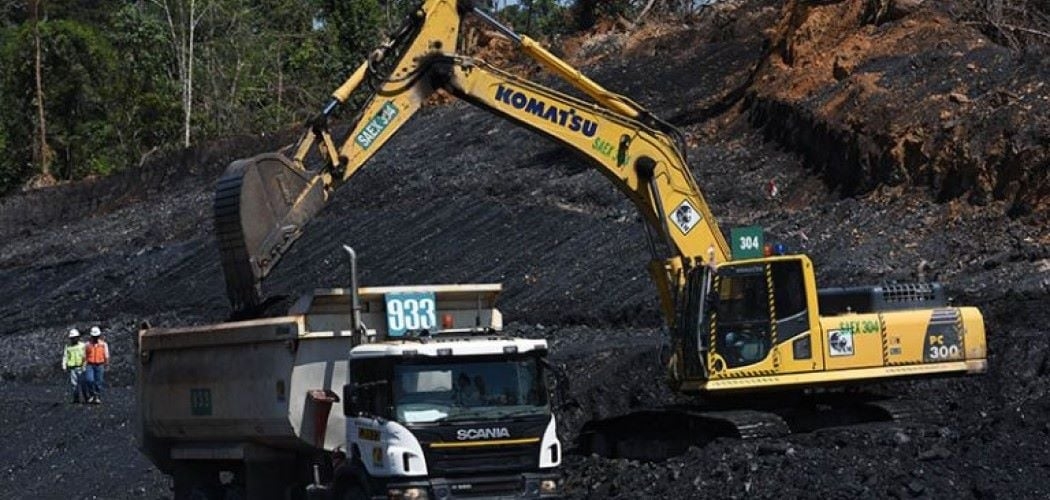
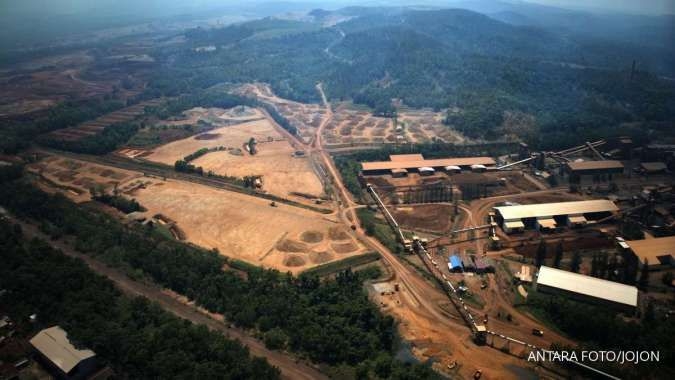
National Coal Production Surpasses Previous Year's Figures, Aiming for Targeted GrowthUntil May 2023, national coal production in Indonesia reached 295.88 million tons, demonstrating an increase compared to the same period last year.Lana Saria, the Director of Coal Business Development at the Directorate General of Mineral and Coal, Ministry of Energy and Mineral Resources, stated that out of the total production, 209.49 million tons were for the export market, while 71.05 million tons were allocated for the domestic market obligation (DMO)."Compared to the same period in 2022, actual production has risen by 12%, accompanied by an 11% increase in sales," Lana explained to Kontan on Monday.The government has set a target for coal production to reach 694.50 million tons this year, with an export plan of up to 460 million tons.According to the official Minerba One Data Indonesia (MODI) website, real-time production until June 2023 has reached 340.78 million tonnes, accounting for 49.07% of the set target.Meanwhile, coal exports until June 2023 have reached 108.75 million tons, equivalent to 23.64% of the target.Challenges in meeting the national coal production arise from weather conditions, particularly the high intensity of rain during the first three months of the year.Despite these challenges, several coal producers are determined to maintain their coal production targets for this year.Apollonius Andwie, the Corporate Secretary of PT Bukit Asam Tbk (PTBA), expressed optimism in maintaining positive performance for the company."Despite various challenges, we remain optimistic. We have prepared a number of measures to ensure PTBA's financial condition remains healthy," Apollonius stated.In the first quarter of 2023, PTBA's coal production reached 6.8 million tons, a year-on-year growth of around 7% compared to the same period last year.PTBA aims to achieve a coal production target of 41 million tons this year, representing an 11% increase compared to the 2022 achievement of 37.1 million tons.To maximize coal sales for the remainder of the year, PTBA will focus on optimizing both the domestic and export markets, including exploring opportunities in countries with promising growth prospects such as India and Southeast Asia.PTBA also looks forward to the implementation of the Coal Management Agency Partner (MIP) scheme initiated by the government, as it is expected to positively impact PTBA's financial performance.Febriati Nadira, the Head of Corporate Communication at Adaro Energy (ADRO), stated that ADRO will maintain its production target for the year, set at approximately 62 million to 64 million tons.As of the first quarter of 2023, ADRO recorded a production volume of 15.69 million tons.Dileep Srivastava, the Director and Corporate Secretary of PT Bumi Resources Tbk (BUMI), confirmed that the company's target for this year remains unchanged."There have been no changes from the full-year guideline, with a range of 75 million to 80 million tons," said Dileep.In the first quarter of 2023, BUMI reported a sales volume of 15.4 million tons of coal, a slight 4% decrease compared to the same period last year, which recorded sales of 16.0 million tons.Image source: KONTAN/MuradiSource: https://industri.kontan.co.id/news/naik-12-produksi-batubara-nasional-capai-29588-juta-ton-hingga-mei-2023

Tires stocks are running low may disrupt mining operations
28 Jun 2023, 10:00 AM 5546

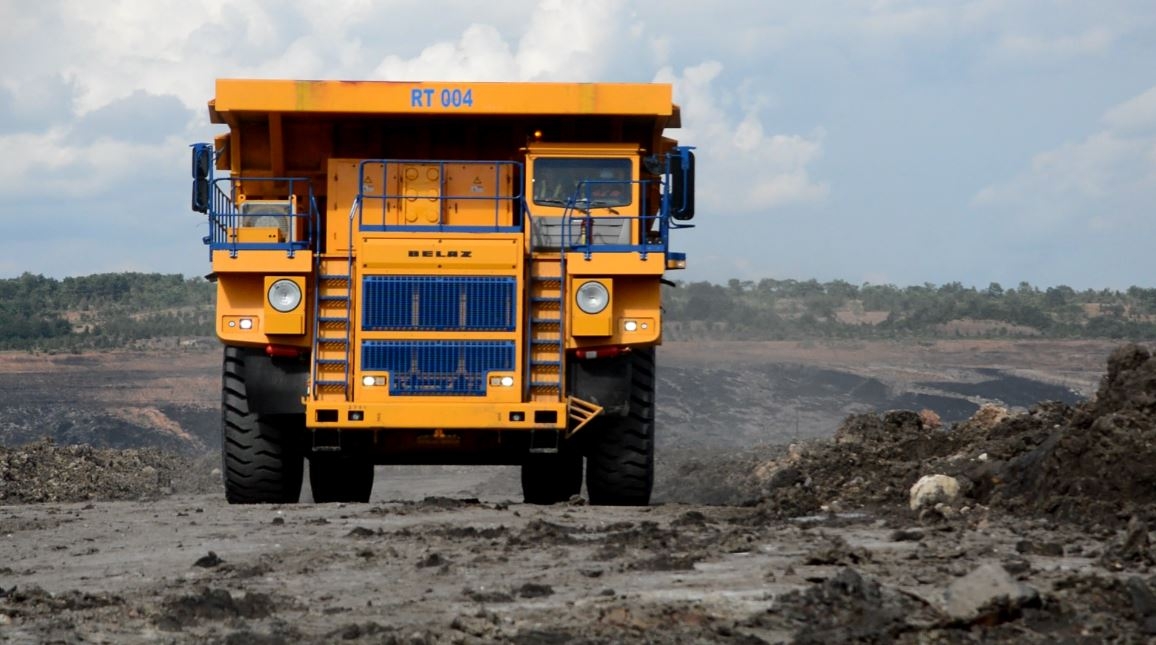
Concerns Arise as Stocks of Heavy Equipment Tires Dwindle in Coal Mining SectorBusiness actors in the coal mining sector are growing increasingly worried about the diminishing stocks of heavy equipment tires and the potential impact it may have on operational and production activities.Hendra Sinadia, the Executive Director of the Coal Mining Association Indonesia (APBI), stated, "If the supply of tires for heavy equipment is disrupted, it will hamper coal production activities as the equipment won't be able to function properly. This disruption will not only affect coal exports but also the supply of coal to PLN (state-owned electricity company)."The scarcity of mining heavy equipment tires is attributed to the challenges faced in importing off the road (OTR) tires. Import activities for OTR tires have encountered obstacles, leading to a decline in tire stocks, with some even facing shortages.Hendra hopes that the government can adopt flexible policies that consider the current circumstances. He stated, "Hopefully, the government can exercise discretion in terms of commodity balance, particularly in addressing the shortage of tires that could disrupt production activities. If these specific types of tires cannot be produced domestically, import permits should be simplified. The hope is to attract investors who are willing to produce high-quality tires for heavy equipment in the future."He further explained that the remaining tire reserves currently last for only the next two months or even less.APBI, as a member of Kadin, has conveyed this issue to the government, emphasizing the potential harm it could cause to business actors amidst efforts to support the economy and in the face of falling commodity prices. The impact will also affect heavy equipment business actors who are part of the mining industry ecosystem.Hendra mentioned, "These potential obstacles have been previously communicated to the Ministry of Trade, the Ministry of Industry, and the Coordinating Ministry for Economic Affairs. The government has held several meetings, but finding a solution seems challenging as regulations related to imports and commodity balance have not been issued yet."Nora Guitet, Chairman of the Association of Indonesian Tire Importers and Traders Association (Gimpabi), explained that the current situation is closely linked to two regulations: Government Regulation (PP) No. 28 of 2021 on the Implementation of the Industrial Sector, and PP No. 32 of 2022 regarding commodity balance.PP 28 includes an article that hinders importers from carrying out import activities, which subsequently affects tire importation, including those used in the mining industry. As none of the heavy equipment tires for mining are domestically produced, they need to be imported."Moreover, many tire importers for mining are categorized as general importers (API-U) rather than manufacturer importers (API-P), which has prevented them from importing tires until now. We urge the government to revise this regulation promptly. Although it is in progress, there is no clarity on when it will be completed," said Nora.Regarding PP 32 on commodity balance, Nora stated that a few weeks ago it was clear that tires were not included in the group of commodities that require inclusion in the balance. Therefore, what is urgently awaited and requested is the expedited revision of PP 28 to reopen import activities.Nora explained the impact of these policies, stating, "For about six months now, we have been unable to import tires that are not produced domestically. As a result, coal, nickel, gold, and other mines are experiencing tire shortages."Nora and Gimpabi members hope that the Ministry of Industry will promptly establish the necessary procedures for tire importers while the revision of PP 28 is underway."This way, when the revision of PP 28 is completed, the regulations regarding the requirements for tire importers from the Ministry of Industry will also be ready. This will speed up the time required byImage source: ANTARA/HO-AspindoSource: https://www.antaranews.com/berita/3608478/stok-ban-di-tambang-menipis-pelaku-usaha-khawatir-ganggu-operasional

Assessing Bauxite Opportunities for Successful Replication of Nickel Downstream
28 Jun 2023, 09:00 AM 5816

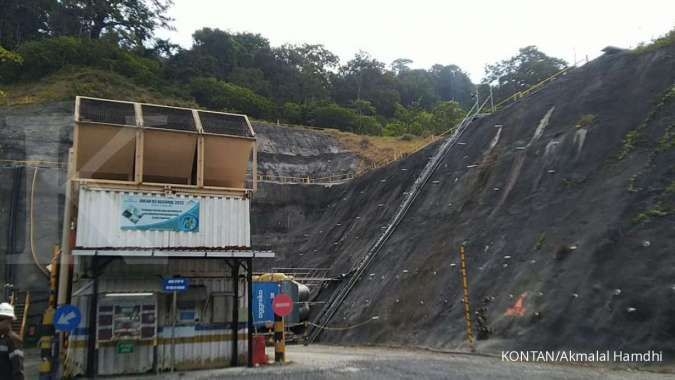
Indonesia's Mining Industry Faces Challenges and OpportunitiesIndonesia's mining industry, particularly nickel and now bauxite, is gaining significant attention due to its crucial role in the vibrant electric vehicle battery industry. Following the successful transition of nickel to this sector, the government is considering applying the same policy to other mining commodities.Starting June 10, 2023, the Indonesian government officially halted the export of raw bauxite to promote downstream industrial activities. President Joko Widodo aims to expand this policy to include copper, tin, and gold, showcasing Indonesia's commitment to maximizing the value of its mineral resources.Data from the US Geological Survey reveals that Indonesia was the fifth largest producer of bauxite in 2022, with around 21 million tons produced. However, nearly 85 percent of this production was exported mainly to China.While the ban on bauxite exports is expected to triple Indonesia's export revenue, concerns arise regarding the country's processing capacity. Existing bauxite smelters cannot absorb the entire production, leading to reduced output by bauxite miners and limited domestic processing capabilities.One potential solution lies in Chinese investors. As China's aluminum sector faces domestic production capacity limits, Indonesian aluminum industry expansion becomes an attractive prospect for Chinese companies. Investments in alumina refineries and expansion plans in Southeast Asia, particularly Indonesia, indicate China's interest in the region.While Indonesia's downstream strategy has proven successful for nickel, caution is advised when it comes to bauxite. Building bauxite smelters is costlier and more challenging compared to nickel smelters, presenting obstacles for the government.Additionally, Indonesia's ambitions to become an aluminum industry hub must address its reliance on coal-fired power plants. To align with global decarbonization trends, the country needs to shift toward renewable energy sources.Furthermore, the cessation of bauxite exports may face potential challenges at the World Trade Organization (WTO). The government has asserted its readiness to defend against any potential lawsuits.Despite the possible tensions between China and Indonesia, the chances of a significant dispute are low, considering China's alternative bauxite sources such as Guinea and Australia. China has been fostering deeper economic ties with Indonesia, viewing it as a valuable raw material source.As both countries evaluate the implications of potential WTO disputes, careful consideration is essential to maintain stable economic relations and capitalize on the opportunities presented by Indonesia's mining industry.Image source: Bisnis.comSource: https://market.bisnis.com/read/20230627/94/1669594/menakar-peluang-bauksit-replikasi-kesuksesan-penghiliran-nikel

Supporting Nickel Mining Operations, Vasco Ocean Lines Adds Fleet of Ships
23 Jun 2023, 08:00 AM 5653

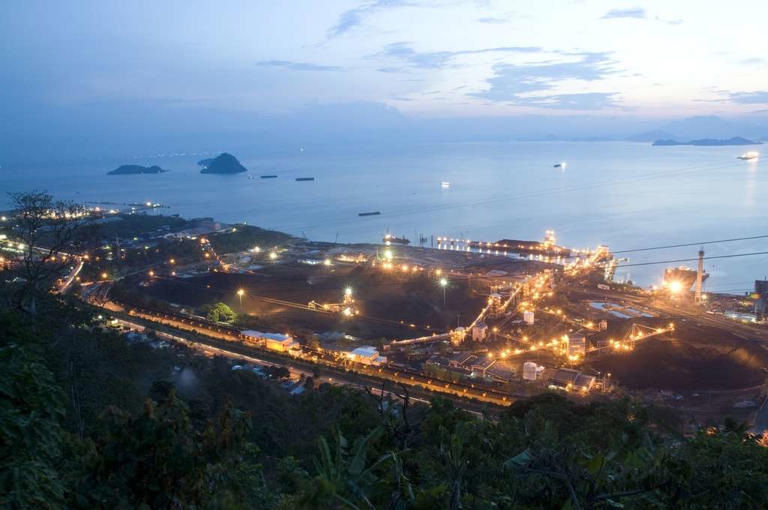
Shipping company PT Vasco Ocean Lines realized the purchase of a fleet of ships to strengthen the business line of transporting nickel commodities in Indonesia. The purchase of the fleet was carried out by the company in collaboration with PT Patria and PT Katya Teknik Utama with a value of up to IDR 550 billion.Director of Tridaya Group, holding company of PT Vasco Ocean Lines, William Gosal said that the purchase of the fleet was carried out in line with the growing business prospects for domestic and regional nickel commodity transportation services.Meanwhile, strengthening the company's fleet in the form of 10 units of tugs & barges (barges) which are prepared to support the activities of nickel mining companies operating in Indonesia, especially in Eastern Indonesia. "All ships will be handed over in stages until the end of 2023. The size of the ship is 330 feet ," he said Friday (16/6/2023).For information, Tridaya Group is a conglomerate that has 3 business pillars, namely shipping , property and automotive. In 2019, through PT Vasco Ocean Lines, Tridaya Group first entered the ship business and in the next 5 years the company has targeted to buy 50 ships.Director of PT Patria Teguh Patmuryanto welcomed the collaboration positively and is optimistic that there is still a lot of potential going forward, so that he is ready to support the business of PT Vasco Ocean Lines. "Certainly we really support this business because it is in line with the improvements in quality, lead time and cost leadership aspects that we are currently carrying out. This is of course our new portfolio and adds coverage in the nickel segment.”He also said that so far only 1 set of tug & barg has been received, and the remaining 8 sets will be handed over in stages until early next year.Image source:  Vasco Ocean LinesSource: https://sulawesi.bisnis.com/read/20230616/540/1666213/dukung-operasional-tambang-nikel-vasco-ocean-lines-tambah-armada-kapal

Coal Company Affirms Commitment to Continue Downstream Project
22 Jun 2023, 09:00 AM 7038

A number of coal companies confirmed their commitment to continuing the planned coal downstream projects.PT Bukit Asam Tbk ( PTBA ) Corporate Secretary Apollonius Andwie revealed, his party is committed to encouraging coal downstream in line with government policy.Various preparations are currently being carried out by PTBA, including obtaining a coal-based Industrial Estate permit or Bukit Asam Coal Based Industrial Estate in Tanjung Enim with an area of ​​585 Ha to securing coal supply for the project which is expected to start production in the second quarter of 2025."The company has provided land for the development of the downstream industry in collaboration with potential partners," Apollonius told Kontan, Monday (19/6).Apollonius continued, his party was optimistic that the project could be implemented. In addition, PTBA proposed that the Tanjung Enim Industrial Zone be designated as a Special Economic Zone (SEZ).With this, there is an opportunity to get incentives for investors who contribute to the development of coal downstream.However, Apollo did not elaborate on potential replacement partners for the company from the United States, Air Products, which has declared its withdrawal from the project with a capacity of 1.4 million tons of dimethyl ether (DME)."We are open to working with competent partners in the field of coal downstream to jointly develop the downstream industry," added Apollo.Meanwhile, PT Bumi Resources Tbk ( BUMI ) has also not changed plans for the two downstream projects by its subsidiaries, PT Kaltim Prima Coal (KPC) and PT Arutmin Indonesia."There has been no change in the target from what was previously stated. We hope to achieve the target for commissioning ," said Dileep to Kontan, Sunday (18/6).Dileep explained, his party is still trying to complete the project in accordance with the time limit allowed in the existing work plan.Meanwhile, regarding Air Products' replacement partner in the coal to methanol processing project with KPC, Dileep confirmed that the negotiation process is still ongoing."Announcement will be made in the next quarter after all arrangements with all parties involved have been in place including the construction schedule," said Dileep.In the coal downstream project, KPC is prepared to collaborate with Ithaca Group and Air Products. KPC will act as a supplier of coal for the gasification facility.The need for coal that KPC must provide for the gasification project in Bengalon is around 5 million tons-6.5 million tons per year with GAR quality of 4,200 kcal per kg. When operational, the plant can produce 1.8 million tons of methanol per year.Meanwhile, another BUMI subsidiary, PT Arutmin Indonesia, is said to be working on a coal to methanol gasification project on Pulau Laut, South Kalimantan. The project is projected to be able to produce 2.8 million tons of methanol per year by processing GAR quality coal input of 3,700 kcal per kg of 6 million tons per year.The commitment to continue the coal downstream project was also conveyed by PT Adaro Energy Indonesia Tbk ( ADRO ).  Head of Corporate Communication of Adaro Energy Febriati Nadira said that her party is currently studying various alternatives and continues to conduct studies to increase the added value of coal."Adaro also continues to strive to develop and diversify its business outside the coal industry and is committed to transforming the business into a more sustainable company through long-term green initiatives to capture growth opportunities in a green economy," said Febriati.However, Febriati did not detail the latest developments for Adaro Indonesia's coal downstream project.Adaro Indonesia has plans for the Coal to Methanol/DME Project which is targeted to start production in 2026.Acting Executive Director of the Indonesia Mining Association (IMA) Djoko Widajatno said that there are still a number of challenges that have caused coal downstream in Indonesia to not run optimally."The price of coal is very high and downstream, such as the DME project, requires infrastructure (for) distribution," said Djoko to Kontan, Monday (19/6).Djoko added that coal downstream projects also require a sizable investment. However, development to the downstream for the coal sector is considered to have been carried out by a number of countries."Several countries that have become benchmarks for coal downstreaming are China, Japan, Germany and South Africa," concluded Djoko.There are eleven coal downstream projects planned.First , the coal to dimethyl ether (DME) project by PT Bukit Asam Tbk (PTBA) with a production capacity of 1.4 million tons per year. The project is expected to start production in the second quarter of 2025.Second , the Coal to Methanol Project by PT Kaltim Prima Coal and PT Kaltim Nusantara Coal with a methanol production capacity of 1.8 million tonnes per year. This project is targeted for completion in the second quarter of 2025.Third , the Coal to Methanol Project by PT Arutmin Indonesia with a product capacity of 2.95 million tons per year. The project is targeted to start production in 2026. Fourth , the Coal to Methanol Project by PT Kendilo Coal Indonesia with a product capacity of 300 thousand tons per year. The project is targeted to start production in 2029.Fifth, the Semi Coking Project by PT Multi Harapan Utama with a production of 500 thousand tons per year. This project is planned to start production in 2027. Sixth, the Coal to Methanol/DME Project by PT Adaro Indonesia is targeted to start production in 2026.Seventh, the Underground Coal Gasification (UCG) Project by PT Kideco Jaya Agung with an annual production capacity of 100 thousand tons of ammonia and 172 thousand tons of urea per year. This project is planned for production in 2027.Finally, the Coal to Methanol/DME Project by PT Berau Coal with a semi-coke production capacity of 500 thousand tons per year. The project is targeted to start production in 2029Image source: Nova WahyudiSource: https://industri.kontan.co.id/news/perusahaan-batubara-tegaskan-komitmen-lanjutkan-proyek-hilirisasi

Abundant Gold Reserves, Archi Indonesia (ARCI) Plans to Work on Underground Mining
22 Jun 2023, 08:00 AM 6653

PT Archi Indonesia Tbk ( ARCI ) plans to carry out underground mining in its concession area located in North Sulawesi.Through this plan, ARCI Management will become one of the gold mining companies that carry out both open pit and underground mining simultaneously.Main Director of Archi Indonesia, Rudy Suhendra explained, previously ARCI's management had focused more on mining through the open pit method. Then with the new board of directors and the results of drilling data that have been realized since 2019 until now, it shows a very high potential to carry out underground mining.Currently, ARCI's subsidiaries, namely PT Meares Soputan Mining (MSM) and Tambang Tondano Nusajaya (TTN) already have a Contract of Work (KK) mining permit covering an area of ​​39,817 hectares and have been granted an underground exploration permit.  Rudy explained that ARCI's land concession is divided into three areas, namely the West Corridor, Central Corridor and East Corridor.Exploration activities carried out by ARCI through its Subsidiaries PT MSM and PT TTN, focus on increasing additional discovery potential around the currently operating mining pits in the East Corridor area and gold mineral drilling in the West Corridor area.Based on drilling activities carried out by Archi Indonesia, they saw gold veins in the eastern region, which have the same characteristics in the western and central regions. Therefore, in the 2022 Annual Report, ARCI Management stated that this underground mining exploration would be carried out in the West Corridor and East Corridor areas."Currently, we are hiring an underground project. We have spoken with well-known contractor companies for underground mining so they can start this project at the end of the year," he said in a public expose that was witnessed virtually, Monday (19/6).He hopes that this undergroung mining plan can start running in 2024 and have a big impact on increasing gold reserves.Rudy also openly invited investors who were interested in joining the development of ARCI's gold mine at today's public expose.He invited those who are interested to ask more details and have further discussions regarding underground mining to ask directly to the ARCI Corporate Secretary and related management. "So that later ladies and gentlemen can visit the office to discuss further and at the same time see our gold, hopefully we can buy it soon," he said.Image source: Archi IndonesiaSource: https://industri.kontan.co.id/news/cadangan-emas-melimpah-archi-indonesia-arci-rencanakan-garap-underground-mining

Indonesia Pushes ASEAN Collaboration on Energy Transition
21 Jun 2023, 09:00 AM 5379

Indonesia is encouraging collaboration, partnerships, sustainable and inclusive financing, and access to ASEAN countries to appropriate technologies for accelerating the energy transition, especially in the Southeast Asian region.Energy and Mineral Resources Minister Arifin Tasrif conveyed the statement while opening the 41st ASEAN Senior Officials Meeting on Energy (41st ASEAN SOME) at the ASEAN Secretariat in Jakarta on Monday."The global energy landscape is urged to sustainably transition from a fossil-based economy to a low-carbon economy in an inclusive and equitable manner while considering national circumstances, capabilities, and priorities," Tasrif said, according to a press release issued the same day.Collaboration needs to be strengthened not only among ASEAN member countries, but also with international organizations and stakeholders, he stressed.Meanwhile, energy security is as important as the energy transition.During its 2023 ASEAN chairmanship, Indonesia is spotlighting the importance of sustainable energy security, which is being implemented through ASEAN interconnectivity as the epicentrum of growth.During Monday’s meeting, Tasrif said that the Trans-ASEAN Gas Pipeline (TAGP) and the ASEAN power grid will accelerate the clean energy transition and improve energy security.Critical minerals are also needed to support the energy transition, he added.Critical raw materials can be used for technological innovations based on clean and renewable energy, he said.The global demand for critical minerals has increased significantly.According to the International Energy Agency (IEA), electric cars require six times more mineral inputs than conventional cars.Wind power plants require 13 times more mineral resources than gas-fired power plants of a similar size."Several ASEAN countries, such as Indonesia, Malaysia, Myanmar, the Philippines, and Vietnam, are blessed with large amounts of mineral resources, including nickel, tin, bauxite, and rare earth metals so that ASEAN can play a big role in the global critical mineral supply chain," Tasrif said.According to the minister, it is necessary to develop mineral processing, refining, and manufacturing units, especially for clean energy technological industries.He said Malaysia, Vietnam, Thailand, and Indonesia are key players in the renewable energy manufacturing industry, such as solar photovoltaic (PV) batteries and electric vehicles (EV)."The 2023 ASEAN Summit has agreed on the use of electric vehicles to reduce greenhouse gas emissions and decarbonize the land transportation sector in the region to achieve net-zero emissions (NZE)," he said.ASEAN member countries are committed to developing a regional electric vehicle ecosystem by involving all member countries, improving the EV industry, and making ASEAN a global production hub, he added.According to the ministry, ASEAN countries have a great abundance of renewable energy potential that is predicted to reach 17 thousand gigawatts and could be used for realizing the clean energy and NZE targets.Furthermore, the minister said that technology is key for transitioning to carbon-neutral energy so it is necessary to increase technological diversity.Likewise, access to and use of technology need to be made more inclusive, and access to affordable technology and financing must be explored more broadly."ASEAN member states must improve their technology, ability, capacity, and skills to support the energy transition target, and also the goals of the ASEAN Plan of Action of Energy Cooperation (APAEC)," he said.The APAEC aims to encourage renewable energy transition to realize the NZE.The short-term target of the action plan is realizing a total of 23 percent of the renewable energy mix in the total primary energy supply as well as 35 percent of renewable energy in power plant capacity in ASEAN member countries by 2025.Meanwhile, the medium-term target of the action plan is to reduce greenhouse gas emissions in all ASEAN countries according to their respective nationally determined contributions by 2030, while the long-term target is realizing the NZE target by 2050, he noted.He lauded all ASEAN countries that have committed to achieving the NZE goal in the next few years. Their commitment has become the foundation of the global NZE road map."The road map is an important tool to analyze and allocate the support needed for each country, such as technology, financing, infrastructure, and others," he said.He further said he hopes that through the 41st ASEAN SOME, countries in the grouping can further discuss and resolve the latest strategic issues, such as carbon trading and the decarbonization of the oil and gas industry.One of the decarbonization efforts has been carried out through the development of carbon capture storage/carbon capture utilization and storage (CCS / CCUS) technology."This will accelerate the green energy mix for ensuring long-term energy security in the region to achieve the NZE target," he said.He also stressed that ASEAN needs to realize its commitment to achieving the 2030 nationally determined contributions (NDC) target in accordance with the greenhouse gas (GHG) reduction targets in each country.Then, in addition to thanking all ASEAN member countries, dialogue partners, and international organizations at the senior-level meeting, Tasrif welcomed Timor Leste as the youngest member of ASEAN.He welcomed Timor Leste at the 41st ASEAN SOME to observe the progress and implementation of energy cooperation in ASEAN."ASEAN is expected to involve Timor Leste more in future meetings and activities," he said.The 41st ASEAN SOME is being held from June 19–23, 2023 in Jakarta. It is being attended by 10 ASEAN members, eight dialogue partners, and some international organizations that support energy cooperation.Image source: ANTARA/HO-ESDM MinistrySource: https://en.tempo.co/read/1739300/indonesia-pushes-asean-collaboration-on-energy-transition

Advertisement


GET YOUR PASS