PT Timah Tbk Receives Indonesia Best Digital in Energy and Mining Industry 2025 Award
21 Feb 2025, 04:39 PM 3273

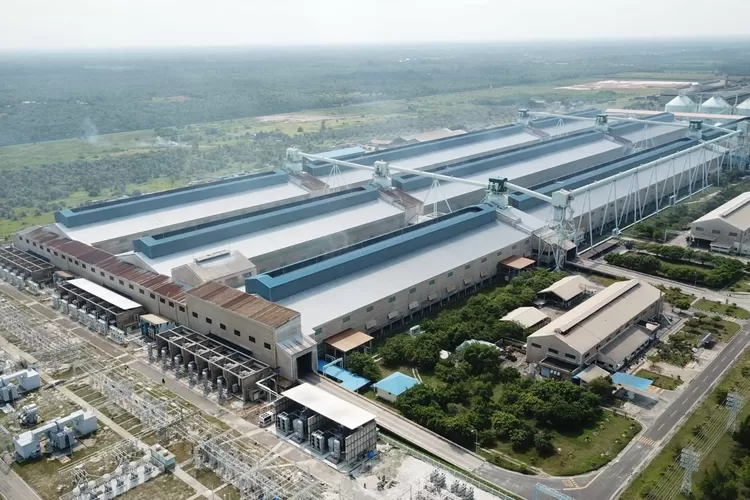
PT Timah Tbk has once again achieved national recognition. This time, the member of MINDS ID received an award at the Indonesia Digital Sustainability Awards 2025, organized by Plus Idea Komunika in collaboration with JakTV, held at JW Marriott Hotel, Kuningan, South Jakarta, on Tuesday (February 18, 2025).PT Timah Tbk won an award in the Energy and Mining category as the Indonesia Best Digital Awards 2025 in the Energy and Mining Industry for Business Process Automation and Digital Document Management System.This award is a form of appreciation for companies that have made significant contributions in creating sustainable digital solutions.In addition, this award aims to strengthen cross-sector collaboration and encourage the integration of sustainability principles in the design, development, and implementation of digital technologies, thereby enhancing efficiency, productivity, and creating a positive impact for the business world and society.This year's theme for the award is "Creating Digital Ecosystem through Sustainable and Inclusive Business," highlighting the importance of prioritizing the creation of a sustainable and inclusive digital ecosystem in today's business world.The award ceremony was also attended by the Director General (Dirjend) of Public Communication and Media from the Ministry of Communication and Digital (Komdigi), Fifi Aleyda Yahya.In her speech, Fifi stated that the digital transformation over the past three years following the Covid-19 pandemic has experienced rapid growth, especially in electronic payments."Indonesia's economy has grown by 5.03 percent, which is in line with last year's growth, supported by strong domestic consumption, government spending, and increased investment. The technology and digital economy sectors have played an important role in this growth," Fifi explained.She emphasized that digital technology has become a key pillar in Indonesia's economic development, driven by the e-commerce, fintech, and other technology sectors.In fact, e-commerce is identified as the main driver, contributing more than 60 percent to the total digital economy.For this reason, Fifi emphasized that the government, through Komdigi, is committed to building a sustainable and inclusive digital ecosystem, particularly through the development of telecommunications infrastructure and the expansion of 4G and 5G networks to remote areas.The evaluation was conducted by the Research Team of Idea Komunika and validated by the Jury Board, including Tuhu Nugraha from the Indonesia Applied Digital Economy & Regulatory Network (IADERN).There are three key evaluation points assessed by the jury in the Indonesia Digital Sustainability Awards 2025: Digital Efficiency, Digital Transparency, and Digital Sustainability.The Head of Corporate Communication Department at PT Timah Tbk, Anggi Siahaan, stated that PT Timah remains committed to implementing digital technology to enhance efficiency, transparency, and corporate governance."Digitalization has become an essential part of the company's operations, both in the supply chain, management systems, and services to stakeholders. Digital innovation not only drives the company's growth but also contributes to a more sustainable tin industry," said Anggi.

Energy Minister Bahlil Seeks Danantara Funds for Downstream Industry Development
19 Feb 2025, 04:42 PM 3619

Minister of Energy and Mineral Resources (ESDM) Bahlil Lahadalia said that he has submitted a proposal to President Prabowo Subianto requesting a portion of the funds from the Sovereign Wealth Fund of Nusantara Investment Management Agency (Danantara) to be allocated for downstream industry development."We have submitted the proposal to President on several occasions to consider investing part of the Danantara fund in order to provide added value in the downstream sector," said Bahlil after attending the Indonesian Economic Summit 2025 at the Shangrilla Hotel, Jakarta, Wednesday, February 19, 2025.Bahlil remained tight-lipped about the investment amount he proposed. He only stated that the request was made to secure the sovereignty of the Indonesian people by providing added value to natural resources. In addition, he mentioned the collaboration between Danantara and several countries, one of which is the United Arab Emirates."[The collaboration] with several other countries is underway," he claimed.Over the next four years, Bahlil planned to carry out downstream industry development for 28 commodities. "There are 26 to 28 commodities that will be encouraged, especially fisheries, forestry, agriculture, oil and gas, and mining," he said when met at his office on Friday, January 10, 2025.The 28 downstreaming commodities include coal, nickel, tin, copper, bauxite, iron stacy, gold and silver, lead asphalt, sand, manganese, cobalt, metals, petroleum, natural gas, palm oil, coconut, rubber, biofuel, crumb rubber, pine resin, shrimp, fish, crab, seaweed, salt, nutmeg, cocoa, and tilapia.Meanwhile, Danantara is an investment institution initiated by President Prabowo Subianto. The head of state revealed that the initial funding for Danantara is projected to reach USD 20 billion."The initial funding this year will reach USD 20 billion. I think this will be a transformative step. We plan to start around 15 to 20 billion-dollar projects, which will create significant added value for our country," he said while speaking as a keynote speaker at the International World Government Summit online on Thursday, February 13, 2025.On that occasion, Prabowo also mentioned that Danantara will be launched on February 24, 2025. "We are preparing for the launch of our latest Danantara Indonesia, our sovereign wealth fund, which according to our initial evaluation will manage more than USD 900 billion in assets under management," he said, as monitored via the President's Secretariat YouTube on Friday, February 14, 2025.

ITB Supports Decision to Exclude Universities from Mining Permits
18 Feb 2025, 04:46 PM 2871

The Bandung Institute of Technology (ITB) expressed its support for the government and the House of Representatives' (DPR's) decision to exclude universities from holding mining management permits.ITB Chancellor, Prof. Tatacipta Dirgantara, stated that this decision aligns with the core principles of higher education: education, research, and community service (Tridharma)."ITB is committed to maintaining academic independence and the integrity of educational institutions. We believe that the decision not to grant mining management permits to universities is the right step," Dirgantara stated in Bandung on Tuesday.He emphasized that ITB remains dedicated to contributing to the advancement of the mining industry through its academic strengths in science and technology development while preserving its academic independence.Dirgantara explained that mining operations inherently involve high risks, substantial investments, long-term capital returns, and meticulous management.Moreover, he indicated that the direct involvement of universities in mine management could jeopardize academic independence and institutional integrity.He noted that universities do not typically hold direct mining concessions globally, as this could create perceptions of bias toward specific industries."ITB shares the view that universities should maintain their dignity by focusing on the Tridharma of Higher Education and preserving their academic independence," he added.Despite this stance, ITB acknowledges that universities can still play a vital role in Indonesia's mining sector.This contribution can manifest through producing skilled graduates for the industry, conducting pertinent research, offering expert services via university-owned entities, and benefiting from industry-provided mining locations for practical training and research.Strengthened collaboration between universities and the mining industry through mutually beneficial education and research partnerships is also seen as crucial.The government and DPR recently agreed to exclude universities from holding mining operating permits, a provision that was earlier under consideration in the draft amendment to Law Number 4 of 2009 concerning Mineral and Coal Mining (Minerba Bill).Instead, mining business permits (IUP) will be granted to third parties such as State-Owned Enterprises (BUMN), regional-owned enterprises (BUMD), and private entities.Universities are expected to benefit indirectly through research funding and scholarships offered by these third parties.This decision was finalized ahead of the plenary meeting for the first-level decision-making of the Minerba Bill on February 17.

BUMI Supports Sustainable Energy Transition with Efficiency and Innovation
18 Feb 2025, 04:43 PM 3681

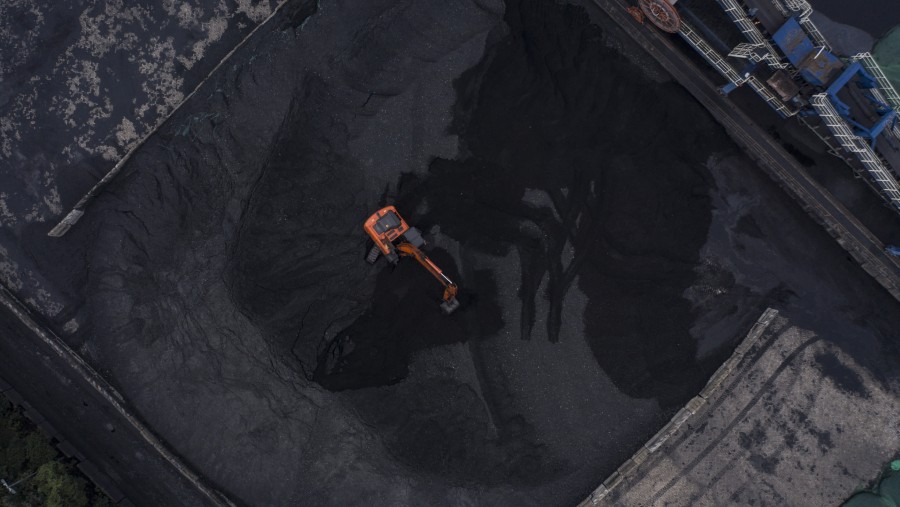
PT Bumi Resources Tbk (BUMI), the largest coal producer in Indonesia, reaffirms its commitment to supporting the sustainable energy transition through operational efficiency and environmentally friendly innovations. Amid growing global energy demand, BUMI continues to play a role in maintaining electricity supply stability while implementing sustainability practices.BUMI's Vice President of Investor Relations & Chief Economist, Achmad Reza Widjaja, stated that the coal industry can develop sustainably through a combination of operational excellence, innovation, and social and environmental responsibility. "Coal will continue to be an important pillar in global development, as it is not just about energy but also about creating a brighter future for all," he said in his statement on Tuesday (18/2/2025).BUMI recorded coal production of 57.3 million tons during the January–September 2024 period, making it the largest contributor to national production. This production not only supports domestic energy security but also contributes to Indonesia's coal exports, which meet 40 percent of global demand. As part of its sustainability commitment, BUMI implements various environmental recovery programs and community empowerment initiatives around its operational areas. The company also continues to pursue operational efficiency and innovation to balance energy exploration with environmental preservation.With a strong position in both the Asian and global markets, BUMI strives to continue contributing to a more sustainable energy future. Coal remains an important part of the energy transformation, supporting the transition to cleaner energy sources while not neglecting the ever-growing energy demand.Coal Still the Most Economical Energy SourceCoal remains the most economical energy source compared to other alternatives, despite the ongoing push for the transition to new and renewable energy (NRE). Previously, the Chairman of the Indonesia Mining Association (IMA), Rachmat Makkasau, emphasized that coal continues to be the primary choice in the national energy mix due to its lower production costs and abundant availability. "Until now, coal is the cheapest energy compared to others. Moreover, the industry has implemented various methods to reduce emissions," said Rachmat at the Energy for Prosperity: The Economic Growth Impacts of Coal Mining seminar, organized by the Energy and Mining Editor Society (E2S) in Jakarta, Thursday (14/3/2024).Indonesia has coal reserves of 35 billion tons and resources reaching 134 billion tons. If optimally utilized for domestic needs, national coal can still be used for up to 500 years. Even with the current export scheme, its utilization is estimated to last for another 200 years. Rachmat emphasized the importance of implementing the Clean Coal Process to ensure more environmentally friendly coal usage. "If the Clean Coal Process is applied and emissions can be reduced, or even eliminated, then there should be no issue, right?" he said. He added that, in addition to ensuring national energy security, the coal industry continues to innovate in operational efficiency and environmental impact reduction. These efforts are part of a long-term strategy to ensure that coal remains relevant in meeting global energy needs while also supporting the transition to cleaner energy.

PTFI Improves Security-reduces Costs Through "Smart Mining" Technology
18 Feb 2025, 04:40 PM 2987

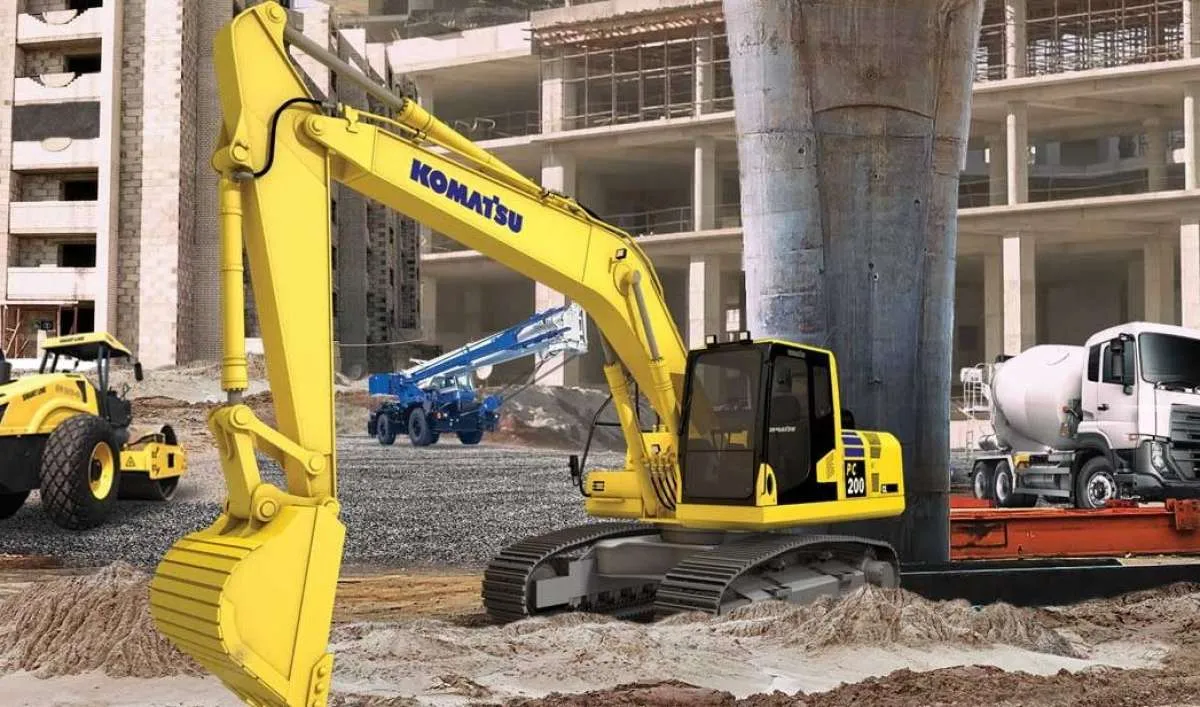
President Director of PT Freeport Indonesia (PTFI), Tony Wenas, stated that the implementation of the smart mining concept by PTFI has proven to enhance safety and productivity while reducing costs in mining operations.Tony explained that PTFI has currently implemented cloud computing-based technology with an adoption rate of 80 percent and uses more than 200 servers to support its operational systems."With smart mining, human presence in the blasting, hauling, and crushing processes is minimized, which improves safety. Additionally, with remote operation from a distance of 8 kilometers, productivity can increase," said Tony during the 'Data Driven Strategy in Mining and Mineral Resources' session at the Indonesia Data and Economic Conference (IDE) 2025, in Jakarta, on Tuesday.Tony further explained that the use of this technology has reduced operational time by up to two hours per day, resulting in cost efficiency.He gave an example that employees used to spend up to two hours commuting to and from the underground mine."With this technology, we can save two hours a day, and of course, from a cost perspective, it will be much lower," he added.In addition to improving time and cost efficiency, the technology applied also enables faster decision-making based on more accurate data.However, Tony emphasized that the final decision still lies in the hands of humans, while technology serves as a tool to assist in the analysis and processing of data."Decision-making is still carried out by humans, but the process becomes faster with more accurate data," he said.In the discussion, Tony also revealed that the implementation of smart mining technology at PT Freeport Indonesia was not a sudden decision, but rather a plan that has been in place since 2006.Smart mining is a concept that utilizes data-based technology to improve efficiency and productivity in mining operations. This technology includes the use of the Internet of Things (IoT), Artificial Intelligence (AI), cloud computing, and big data analytics.Not only applied in mining operations, digital technology is also used in other aspects, such as the employee recruitment process, which now relies on AI-based systems to enhance efficiency and accuracy in selection.Tony emphasized that the development of digital technology in the mining industry is not just an option, but a necessity.He explained that mining companies face limitations in product innovation, so innovation must be focused on processes and operations."All systems are already digitalized, but there are still many potential breakthroughs that we can make in the future. We strive to be highly adaptive to needs and developments," he added.

Freeport's Digital Training Initiative Empowers Young Talent in Papua
17 Feb 2025, 08:41 AM 3027

PT Freeport Indonesia (PTFI) is actively supporting the development of the younger generation's skills in Mimika Regency by hosting a Digital Voice: Public Speaking & Podcast Creations training program, held in Timika from February 11-14, 2025.“This program is designed to equip participants with public speaking skills and the technical ability to create podcasts, which are becoming increasingly relevant in today's digital age,” said Katri Krisnati, Vice President of Corporate Communications for PTFI, in Timika on Thursday (February 13).The training was attended by 30 participants from Timika, representing a diverse range of professions, including civil servants, SMEs, influencers, students, housewives, private sector employees, and more. PTFI's partners such as SATP Public Relations, Maramowe Foundation, YPMAK Public Relations, and PFA Public Relations also joined the event.The program included both training materials and field practice at the Mimika Sports Complex (MSC). The field activity aimed to provide hands-on experience in podcast creation outside of a studio setting. At this facility, built by PTFI, participants learned to understand the real challenges of content production while also sharpening their creativity in producing high-quality podcasts.One participant, Franco Irahewa, shared his enthusiasm for the three-day program.“This is the first podcast training in Timika. I work as a public relations officer at the Taruna Papua Boarding School, and the activities I’ve participated in are very helpful for my role, helping to enhance my communication skills in creating quality content,” he said.Siti Ramadhana, a Communication Science student at the Muslim University of Indonesia, expressed her interest in the training.“The modules and practical training were very up-to-date, offering new insights and easy-to-implement knowledge here in Timika. As young people, we are excited and hope that activities like this will continue. One word for this program: wonderful!” said Siti.Katri emphasized that through this digital literacy initiative, PTFI hopes to open access to knowledge and skills for the youth of Mimika in personal branding, the workforce, and the creative industry. Participants are encouraged to maximize the internet productively and commercially.With more young people in Timika mastering digital skills, it is expected that they will contribute to spreading useful information and inspiring the wider community.“We hope that through this training, Papua's younger generation will become more confident in expressing their ideas and using communication channels positively,” said Katri.

Indonesia Still Dominates Nickel Market Despite Price Plunge in 2025
17 Feb 2025, 08:38 AM 10592

Indonesia continues to be a major player in the global nickel industry despite a significant drop in commodity prices over the past two years. The country has maintained high production levels while facing challenges from environmental regulations and global market uncertainty.According to data from S&P Global, the price of nickel in 2025 reached USD 15,078 per metric ton, the lowest point since 2020. Throughout 2024, the average price was USD 15,328 per metric ton, down 7.7% from the previous year. The main factors driving this decline include the strengthening of the US dollar, US-China trade tensions, and a global supply surplus.As the world's largest nickel producer, Indonesia continues to increase its production. Data from the Indonesian Nickel Miners Association (APNI) indicates that national production is projected to reach 298.5 million wet metric tons in 2025, up from 272 million metric tons the previous year. This increase in production is contributing to the global supply surplus, which is expected to reach 156,000 metric tons this year.Despite the ongoing price decline, some Indonesian nickel producers remain optimistic about long-term demand, particularly from the electric vehicle (EV) industry. However, the industry's reliance on the Chinese market remains a key concern. Chinese companies currently control about 75% of nickel refining capacity in Indonesia, which increases the risk of supply chain instability.Additionally, tightening environmental protection policies are beginning to impact Indonesia's nickel industry. The government is considering implementing stricter regulations for companies that fail to meet sustainability standards. Some producers are even reportedly planning to import nickel ore from the Philippines to comply with the new regulations.Meanwhile, the economic impact of the US-China trade war is affecting nickel demand. The additional 10% tariff announced in January 2025 could pressure the nickel-based industrial sector, especially in China and other countries dependent on Indonesian nickel exports.On the other hand, while the nickel market faces short-term pressure, long-term projections still show potential for recovery. Market analysis suggests that the compound annual growth rate (CAGR) of nickel demand is expected to reach 5.1% through 2035, higher than the 4.6% growth in supply.With these projections, a supply deficit is expected to occur by 2030, potentially driving nickel prices higher in the future. This presents an opportunity for Indonesia to maintain its market leadership and encourage further investment in the nickel downstream industry.Nevertheless, Indonesia's nickel industry still faces significant challenges in balancing high production, stringent environmental regulations, and global geopolitical dynamics. The government and industry players need to find sustainable strategies to ensure price stability and long-term growth, as reported by Saptakee in an article on carboncredits.com.

Integrated Downstreaming the Future of Indonesia's Mineral Industry
16 Feb 2025, 08:40 AM 3399

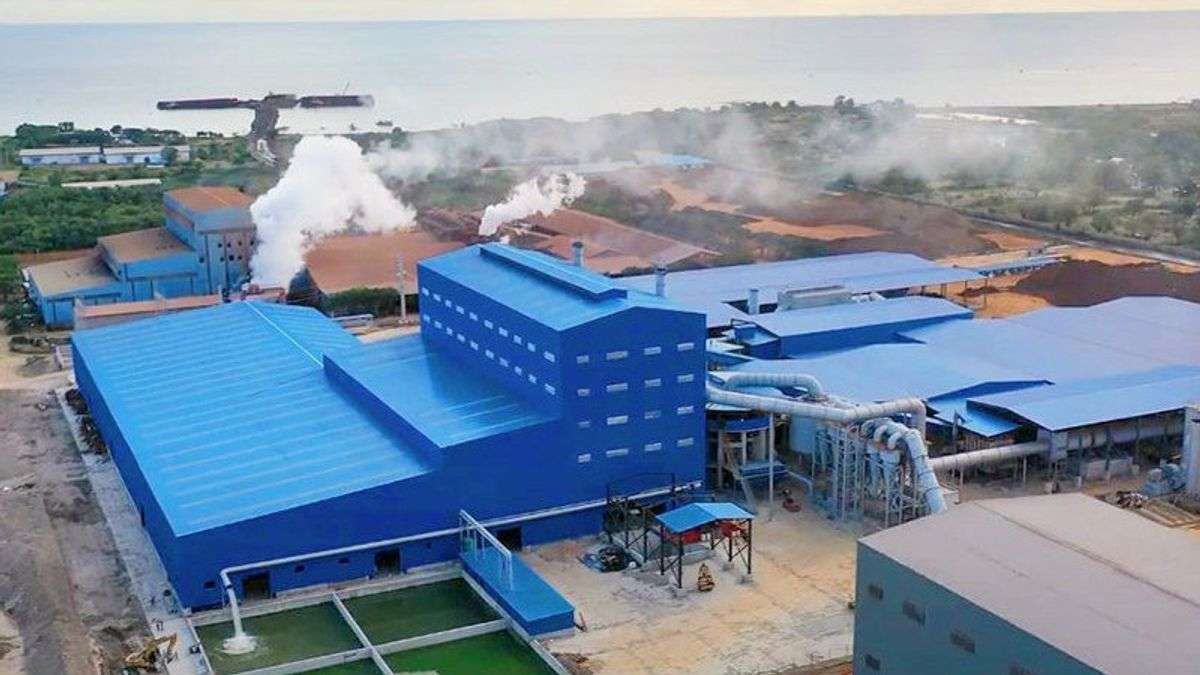
In an effort to strengthen Indonesia's economic sovereignty and create added value for mineral and coal commodities, the state-owned mining holding company, MIND ID, continues to reinforce its commitment to becoming a driver of integrated downstream processing.Various strategic project initiatives have been launched to ensure that mineral resource management is conducted from upstream to downstream domestically, thereby creating a better supply chain.Heri Yusuf, Corporate Secretary of MIND ID, stated that MIND ID, through all its members, consistently carries out integrated downstream projects.It is hoped that Indonesia will benefit from each value-added process and become more sovereign in the global arena."By implementing integrated downstream programs, we strive to make a bigger impact on Indonesia's economy and further strengthen Indonesia's position in the global supply chain," said Heri on Saturday (16/2).Heri explained that one of the downstream projects undertaken by the MIND ID Group is the Smelter Grade Alumina Refinery (SGAR) in Mempawah, West Kalimantan, managed by PT Borneo Alumina Indonesia (BAI), a joint venture of MIND ID Group members, PT Indonesia Asahan Aluminium and PT Aneka Tambang Tbk.This project has an output capacity of 1 million tons of alumina per year for INALUM's aluminum production needs, which was previously sourced from the global market.In addition, the MIND ID Group, through PT Freeport Indonesia, has built a copper smelter and is developing a Precious Metal Refinery (PMR) in Gresik, East Java. This project plays an important role in integrating the copper processing supply chain, from copper ore and copper concentrate to finally becoming copper cathodes.Through this smelter, the MIND ID Group will also be able to process anode sludge into gold, silver bars, and other Platinum Group Metals (PGM) to meet the investment commodity needs of the Indonesian people.The commitment to implementing integrated downstream processing is also realized in the development of a nickel project in East Halmahera, which includes the construction of a Rotary Kiln-Electric Furnace (RKEF) smelter to produce nickel as well as a High-Pressure Acid Leach (HPAL) facility for electric vehicle battery raw materials. Both facilities not only strengthen Indonesia's position in the global electric vehicle industry but also create higher-tech and higher-value-added products domestically."Of course, we will continue to strengthen integration in every supply chain of managed mineral and coal commodities, so that we can contribute to improving economic performance and achieving 8% growth going forward," said Heri.

Indonesia in Talks with UAE to Develop Aluminium Industry
16 Feb 2025, 08:30 AM 3295

The Indonesian government is in talks with UAE’s Emirate Global Aluminium to develop its aluminium industry, as the Southeast Asian nation seeks to utilize its vast reserves of minerals.Indonesia has rich deposits of minerals like copper and bauxite — the main source of aluminium — and is the world’s largest source of nickel. Its government has been working to attract foreign investment to help develop its mineral processing industry.In a meeting with EGA CEO Abdulnasser Ibrahim Saif bin Kalban, Coordinating Minister for Economy Affairs Airlangga Hartarto discussed ways to move forward plans for the Dubai-based company to help aluminium production in Indonesia.“We need to make sure that cooperation in the aluminium sector will have a significant impact on the Indonesian economy, especially for jobs creation,” he said in a statement issued on Saturday.Hartarto was at the World Governments Summit in Dubai, where he also held talks with other UAE officials and business leaders.EGA and state-owned Indonesia Asahan Aluminium, or Inalum, have signed several strategic partnership agreements in the last few years, aimed at boosting Indonesia’s aluminium production capacity. This includes increasing that of Inalum’s North Sumatra smelter by up to 400,000 tons a year.The Emirati company, one of the world’s largest aluminium producers, also said it was planning to explore alternative sources of renewable energy in Indonesia to support its aluminium production plans.“With our capabilities and the advanced technology that we use, along with the natural resources potential in Indonesia — we will be able to produce the best alumina in high quantities,” Abdulnasser was quoted as saying.But Indonesia still needs to work out low-carbon options to generate enough electricity for green aluminium production, according to the Coordinating Ministry for Economic Affairs.Green aluminium, or low-carbon aluminium, is a sustainable metal produced using methods powered by renewable energy sources, essentially reducing the carbon footprint.

MIND ID Consistently Implements Integrated Downstreaming
15 Feb 2025, 08:36 AM 3140

MIND ID continues to reaffirm its commitment to becoming a driving force for integrated downstreaming.This effort aims to strengthen Indonesia's economic sovereignty and create added value for mineral and coal commodities. MIND ID's Corporate Secretary, Heri Yusuf, revealed that several strategic project initiatives have been launched to ensure that mineral resource management is conducted from upstream to downstream within the country, thereby creating a better supply chain.Heri Yusuf further explained that the company, through all its members, consistently carries out integrated downstreaming projects.It is hoped that Indonesia will benefit from each process of value-added enhancement and become more sovereign on the global stage."Through the implementation of integrated downstreaming programs, we aim to make a greater impact on Indonesia's economy and further strengthen Indonesia's position in the global supply chain," Heri stated in his remarks on Sunday (February 16, 2025).Heri explained that one of the downstreaming projects being carried out by the MIND ID Group is the Smelter Grade Alumina Refinery (SGAR) in Mempawah, West Kalimantan, managed by PT Borneo Alumina Indonesia (BAI), a joint venture company of MIND ID Group Members, PT Indonesia Asahan Aluminium and PT Aneka Tambang Tbk.This project has an output capacity of 1 million tons of alumina per year for the production needs of aluminium at INALUM, which was previously sourced from the global market.In addition, the MIND ID Group, through PT Freeport Indonesia, has built a copper smelter and will develop a Precious Metal Refinery (PMR) in Gresik, East Java.This project plays an important role in the integration of the copper processing supply chain, starting from copper ore, copper concentrate, and ultimately producing copper cathodes.Through this smelter, the MIND ID Group will also be able to process anode slime into gold, silver bullion, and other Platinum Group Metals (PGMs) to meet the investment commodity needs of the Indonesian people.The commitment to integrated downstreaming is also manifested in the development of a nickel project in East Halmahera, which includes the construction of a Rotary Kiln-Electric Furnace (RKEF) smelter to produce nickel and a High-Pressure Acid Leach (HPAL) facility for electric vehicle battery raw materials.These two facilities not only strengthen Indonesia's position in the global electric vehicle industry but also create higher value-added, technology-driven products within the country."Of course, we will continue to strengthen integration in every supply chain of mineral and coal commodities that we manage, so that it can contribute to improving economic performance to achieve 8% growth in the future," Heri concluded.

Advertisement


GET YOUR PASS