French Mining Giant Eramet Eyes Investing in South Sulawesi, Papua
05 Feb 2025, 03:41 PM 3106

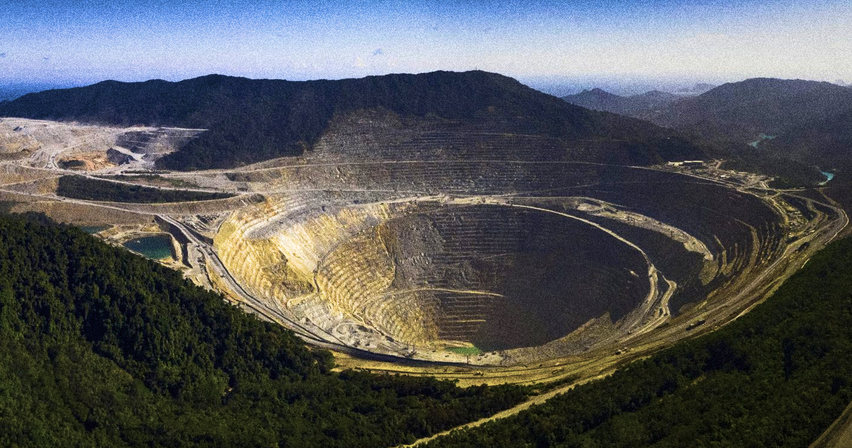
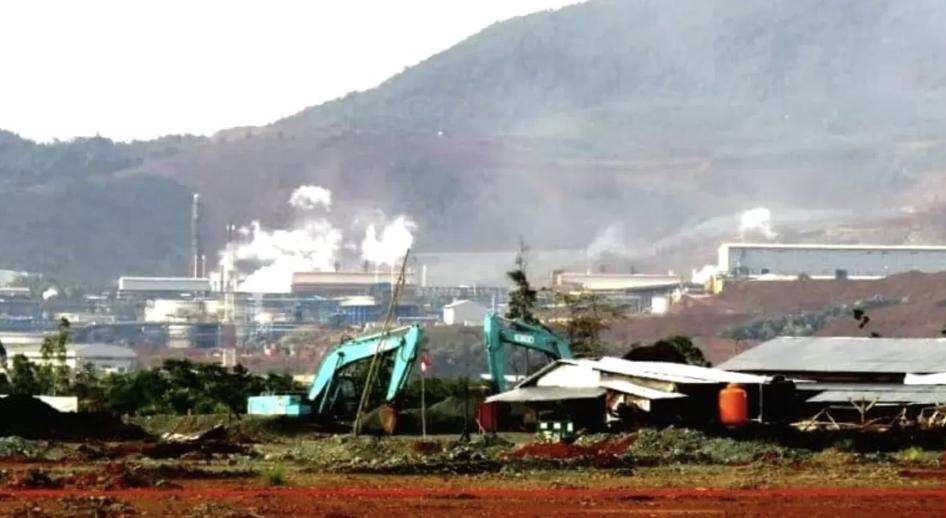
Investment Minister Rosan Roeslani recently said that the French mining giant Eramet was looking to invest in South Sulawesi and Papua.In Indonesia, Eramet is a minority shareholder in the Weda Bay Nickel joint venture which it operates alongside Chinese nickel firm Tsingshan Holding Group and state gold miner Antam. This entity develops an open-pit mining operation in Halmahera Island, North Maluku. Earlier this week, Eramet Group’s chief executive officer Christel Bories visited Rosan in his office to discuss the French company’s operation plans in Southeast Asia’s largest economy. In a social media post, Rosan revealed that Eramet sought to help Indonesia process its critical minerals at home and develop the country’s electric vehicle (EV) development ecosystem.“Eramet also laid out its investment plans to explore new areas in South Sulawesi and Papua. They also talked of [investment plans] for a responsible green electric vehicles project that will involve several strategic partners,” Rosan wrote Tuesday.“This collaboration is also expected to create jobs and boost technology transfer,” he said.Later that day, Rosan told reporters that Eramet was “not only looking to be a contractor, but also develop some sort of production in Indonesia in partnership with a state-owned company.”He also gave his word that his ministry would help facilitate Eramet’s investment plans in Indonesia.Eramet data shows that the Weda Bay is the world’s largest nickel mine, representing 17 percent of the global production. Last year, Indonesia amassed around IDR 1,714.2 trillion or approximately USD 105 billion in combined investments throughout 2024. About 52.5 percent of that money came from foreign investors. France ranked 16th place in terms of Indonesia's largest source of foreign direct investment (FDI) that year. The European country invested approximately USD 328.1 million in Indonesia over the said period. The French investment went to 6,437 projects. Nickel is a mainstay ingredient in EV battery production. Indonesia posted IDR 153.2 trillion investments in the nickel smelting industry for the entirety of 2024. The Indonesian EV battery ecosystem also booked IDR 8.4 trillion in investments.In 2022, Eramet and German chemical producer BASF unveiled plans to jointly invest in Sonic Bay, a hydrometallurgical plant project in Halmahera. The project was set to process nickel and cobalt for EV battery production. However, Eramet-BASF announced last year that they would withdraw from the USD 2.6 billion project. 

Digital Advancements at Golden Energy Mines Increase Coal Production Tenfold
03 Feb 2025, 08:54 AM 4043

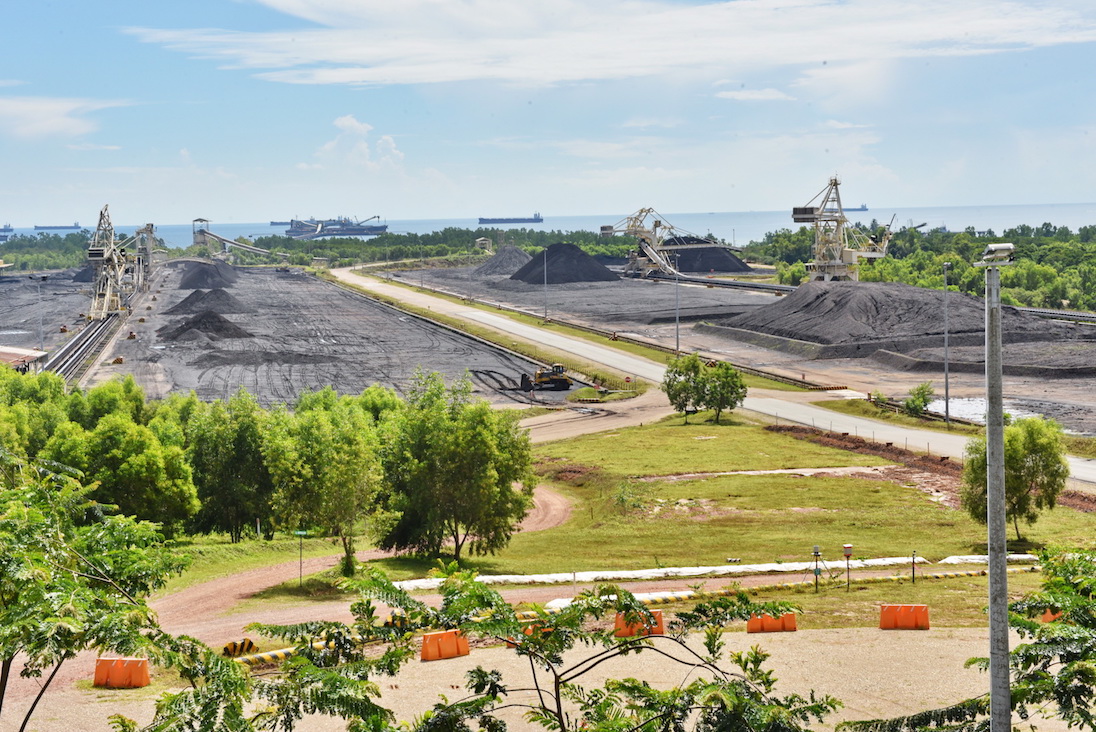
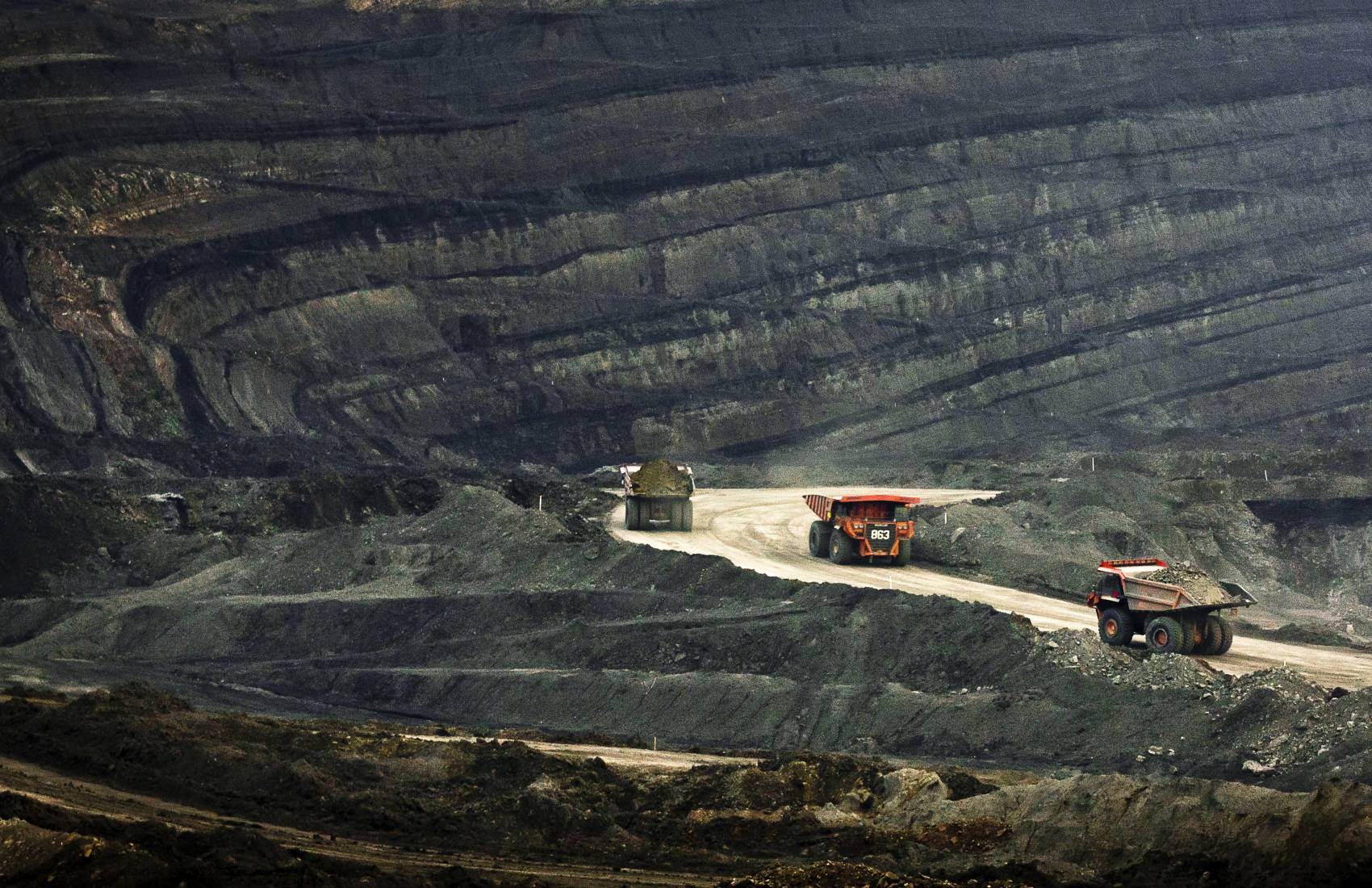
Golden Energy Mines Tbk. (GEMS) is a public company engaged in coal mining. The company began its commercial operations in 2010 and operates under the Sinarmas business group.GEMS holds coal mining licenses for regions in Jambi (through KIM Block), South Sumatra (through BSL and EMS Group), West Sumatra (through EMS Group), South Kalimantan (through Borneo Indobara), and Central Kalimantan (through PT Trisula Kencana Sakti).The company’s total mining area covers approximately 66,204 hectares, with total resource potential reaching 2.91 billion tons and total reserves reaching 1.03 billion tons.The coal mining operations of Borneo Indobara (BIB) are divided into two blocks: the western block (24,100 hectares) and the eastern block. The Coal Mining Business Agreement for both blocks is valid until 2036. The coal resources are around 1.696 billion metric tons, with reserves of approximately 625 million metric tons. Coal production capacity has reached up to 54 million tons this year. BIB is also continuously developing infrastructure capacity to achieve higher coal production. Three Stages The background for digital transformation is driven by several factors, including the target to increase coal production. Additionally, GEMS aims to measure mining operations using technology, especially in the current digital era. The business also faces challenges related to costs and profits. As a result, GEMS management decided to immediately pursue digital transformation by establishing a dedicated division, the Digital and Technology Solution Division.According to Dimas “Omdim” Sutejo, the Chief Digital & Technology Officer of GEMS, one of the company's business units, BIB in South Kalimantan, has successfully undergone digital transformation, which has significantly impacted the company’s operational performance.The digital transformation at BIB is divided into three stages. The first stage, before 2020, was when digitalization had already been introduced at BIB or within the GEMS environment. However, it was referred to as early digitalization, and the process was called pre-digital.At that time, digitalization was introduced in the form of applications and websites. The company also began building a basic foundation, using radio technology for connectivity within the mining area owned by GEMS.The second stage, in 2021/2022, saw BIB starting to organize digital transformation with the establishment of a special division, Digitech, which began to accommodate customer feedback, user requirements, and basic automation.The third stage, from 2023 until now, is referred to as accelerated digitalization. BIB has developed around 30 applications that provide added value and value creation for the company. Now, in terms of digitalization, both people and processes have become more major, resulting in numerous benefits.Omdim explained that the 30 applications at BIB are divided into four aspects: HSE (Health, Safety, and Environment), social networking, back-office support, and mining operations. The company uses two approaches: agile methodology and interoperability (the ability of applications and systems to securely and automatically exchange data without barriers) for the applications they use."This is the digitalization we have developed in our company group. We try to digitalize everything from the pit (the large hole excavated on the surface or in the shallow underground layer) to offshore (offshore areas), and even up to marketing," he said.According to Omdim, everything is mapped and implemented in a spot-on manner. "Because if we use a deep bank implementation, users will surely get bored waiting for the results. The job of Digitech is to integrate everything into a unified system to be displayed in the Command Center and business intelligence, which serves as the basis for management decision-making," he explained.In 2023, BIB also introduced the Command Centre Room (CCR). All aspects of digitalization and data are channeled into the CCR, allowing BIB management to conduct remote monitoring. Compared to field visits, this method is more comfortable and safer, as it helps avoid the risks of fatigue and injury.Meanwhile, digitalization to enhance the effectiveness and efficiency of coal production operations is also present in the flow of the crushing plant, which is controlled by Supervisory Control and Data Acquisition. Sustainable InnovationFor continuous innovation in improving safety and productivity in mining activities, BIB introduced the Mining Eye technology. "Previously, if I wanted to see the actual condition of the pit, I had to contact the team on-site to send photos or the latest information about the pit. With Mining Eye, I can simply click on it myself to get a clear and detailed image. That's the advantage of Mining Eye technology, supporting monitoring and providing information related to mining operations," Omdim explained.For networking, BIB developed fiber optics along the hauling route (the process of moving and transporting materials) and will continue to enhance it. They have also introduced low Earth orbit satellites, such as Starlink, to strengthen signals in blank spot areas around the mining site."We also aim to establish a safety work base and increase productivity through digitalization," he added. BIB has also created a specialized ERP (Enterprise Resource Planning) system for mining, called Cold Chain Management, which involves many people as it covers multiple aspects."Actually, digitalization at Borneo Indobara has been in progress over the past five years, with the last two years being a massive transformation. With digitalization, it is hoped that BIB’s increasingly large operations will become more effective, efficient, and cost-competitive," said Omdim.He also mentioned that one of the safety risks at BIB is the large number of workers with diverse backgrounds and experience levels. It is hoped that digitalization will make mining operations smarter, leaner, and more resilient, improving both operational and workplace safety.Towards Mining Industry 4.0, BIB projects an annual increase in coal production through the development of a digital transformation program across all operational activities. This includes the integration of all coal production data within Cold Chain Management, vehicle load measurement while in motion through Way Motion, which is integrated with Teman Indobara technology, and Si Cantik, an analytical camera system that functions as a safety and security monitor for driving, operating 24/7. BIB has three game-changing digital system products:Venus: A fleet management system deployed across 1,000 hauling trucks at BIB.Way Emotion: A system that allows trucks to be weighed without stopping, whether they are double-trailer, single-trailer, or small trucks.Si Cantik: Using Artificial Intelligence (AI) and machine learning, this system is deployed onto standard CCTV cameras with specific use cases, enabling it to analyze the behavior of vehicles, humans, or other objects. Benefits of DigitalizationAccording to Omdim, digitalization at BIB has brought numerous benefits. For example, the hauling queue during the weighing and closing process has been reduced, allowing production capacity to be optimized. Additionally, the visibility that was previously limited to the work area and communication through WhatsApp can now be monitored from the Command Center Room. This also facilitates better monitoring of the barge evaluation process.Furthermore, loading performance is maintained through a check-and-balance system. As a result, operational processes have become more measurable and safer, ensuring that BIB's production targets can be achieved effectively and efficiently."Overall, the impact of digitalization at Borneo Indobara includes workforce transformation, production improvement, safety and loss prevention, as well as enhanced productivity," Omdim emphasized.In the last 10 years, BIB's production has grown tenfold: in 2014, production was still around 4 million tons, but by 2024, it is expected to reach 46 million tons. The target for 2025 is about 50 million tons, and by 2026 and beyond, the target is set at 54 million tons."Besides increasing production targets, we are also developing the capacity for Call Production Plan, barge loading conveyors, and other systems," Omdim said.

MDKA Commits to Developing Employee Skills and Supporting Local Workforce
02 Feb 2025, 09:41 AM 3180

PT Merdeka Copper Gold, Tbk (IDX: MDKA) continues to strengthen its commitment to providing employees with access to decent jobs that have a positive impact and contribute to the improvement of the economy and worker welfare.MDKA has been actively working to absorb highly skilled local workers and provide proportional career opportunities for all of its employees.MDKA is also consistent in facilitating strategic training programs for local and general workers through initiatives designed to enhance career development capacity, including workplace safety aspects, across all of its subsidiaries.Some of these programs include the Talent Development Program (TDP) and the Mining Apprentice Program (MAP).Adi Firdaus, Manager of Human Resources for the Pani Gold Project (PGP), explained that the improvement of local community welfare must align with adequate competency development. This ensures that local workers can compete on equal terms with other workers."All workers have the same opportunity to develop. However, they must meet the criteria that have been set," he said in a press release on Friday (January 31, 2025).Meanwhile, the Head of Corporate Communication at MDKA, Tom Malik, emphasized that worker capacity development activities must be accompanied by the principles of equal rights and gender, as well as the enhancement of occupational safety and health (K3) aspects.By doing so, workers' career competencies can be comprehensively accommodated for each employee."Safety and health aspects, along with productivity, are the top three priorities in a mining operation," he stated.Tom also mentioned that MDKA and all its subsidiaries firmly believe that good safety and health performance is inseparable from optimal productivity."This series of training is the company’s effort to enhance employee capabilities while reflecting MDKA's support for the achievement of the Sustainable Development Goals (SDGs)," he explained.MDKA places workplace safety as a top priority in its operational activities.This commitment is reflected in the company’s remarkable achievement in its mining areas, which has reached over 14 million work hours without a lost time injury (LTI).This accomplishment demonstrates MDKA's dedication to creating a safe working environment for all employees and contractors through the implementation of strict safety standards, continuous training, and a safety-oriented work culture. MDKA’s Efforts to Develop EmployeesMDKA's training programs uphold the principles of equal rights and gender, as part of its support for and alignment with the SDGs, particularly goals 3, 4, 5, and 8, which focus on good health and well-being, quality education, gender equality, and decent work that drives economic growth.For example, PGP, MDKA's subsidiary in Gorontalo Province, conducted training for local workers through the Talent Development Program (TDP).The aim of the activity was to train and enhance the competencies of workers so that they can be more competitive, both in terms of knowledge, skills, and workplace safety.Additionally, this development program adds value to the local workforce around the company's operations.Ultimately, the training will improve labor absorption and boost the local economy.In addition to PGP, PT Batutua Kharisma Permai/PT Batutua Tembaga Raya (PT BKP-BTR), a subsidiary of MDKA that operates the Wetar Copper Mine in Southwest Maluku, has also implemented a series of strategic training programs for local workers through the Mining Apprentice Program (MAP).Since its launch in 2021, the Mining Apprentice Program (MAP) has been carried out in several batches. In the initial phase, the program was aimed at women from the villages of Lurang and Uhak.These two villages are located near the BKP-BTR mine site, and the program has since been expanded to other villages in Wetar.Currently, participants in the training program also come from other islands in Maluku. This program has produced 120 female operators who play a role in the operation of the Wetar Copper Mine.This initiative highlights the company’s commitment to supporting diversity and inclusivity within the Merdeka group.A similar effort is being made at PT Bumi Suksesindo (BSI), which operates the Tujuh Bukit Gold Mine. BSI has launched the Female Green Operator program to train women in operating heavy machinery.Graduates of the program will be hired as permanent employees to operate articulated dump trucks (ADT). This program specifically targets residents from the mining ring area or Ring 1 of Pesanggaran District.In addition, BSI also runs a Community Development and Empowerment Program (PPM), which focuses on eight pillars of community life.These eight pillars include: education, health, real income or employment levels, economic independence, social and cultural development, the environment, community institutions, and infrastructure.As proof of its commitment to employee development, by the end of 2024, MDKA received an "A" rating, independently assessed by Morgan Stanley Capital International (MSCI).This achievement makes MDKA the only Indonesian mining company to receive an "A" rating in the metals and mining industry, specifically within the diversified metals and mining sub-industry.The rating reflects MDKA's commitment to conducting activities in a sustainable and responsible manner, creating value for stakeholders, and delivering a positive impact on the economy, environment, employees, and local communities.

PT GAG Nikel Reaffirms Commitment to Eco-Friendly Mining Innovation
02 Feb 2025, 09:16 AM 4891

PT Gag Nikel has reaffirmed its commitment to preserving the environment around its mining location through innovative modern technology. The company, which operates on Pulau Gag, Waigeo Barat District, Raja Ampat Islands, ensures that mining activities are carried out with a focus on sustainability principles and the well-being of the local community.This commitment was shared by Rudy S. Sumual, Officer Manager of Sorong PT Gag Nikel, during a Media Gathering event held in Kuta, Bali, on Saturday (February 1, 2025). In his presentation, Rudy explained that PT Gag Nikel operates in accordance with government regulations and continues to innovate in implementing environmentally friendly technology. Regulations and Environmental CompliancePT Gag Nikel operates in full compliance with various government regulations, including the Environmental Impact Assessment (AMDAL) approved through the Decree of the Minister of Environment and Forestry of the Republic of Indonesia No. 02.15.05 Year 2014 and SK.1244/MENLHK/SETJEN/PLA.4/12/2022. Additionally, the company holds a Forest Area Use Permit (Izin Pinjam Pakai Kawasan Hutan), obtained through the Decree of the Head of BKPM on behalf of the Minister of Environment and Forestry No. 19/1/IPPKH/PMA/2015, as well as subsequent regulations valid until 2025. Concrete Steps in Environmental ConservationAs part of its environmental responsibility, PT Gag Nikel has implemented several conservation programs, including:Land Reclamation and Rehabilitation: By December 2024, PT Gag Nikel had successfully reclaimed 131.42 hectares of land, planting over 350,000 trees, including 70,000 endemic trees. Additionally, 231.1 hectares of watershed rehabilitation (DAS) has been achieved out of the total target of 666.6 hectares.Mangrove and Sago Conservation: Since 2022, the company has planted 2,480 mangrove trees and 482 sago trees to preserve coastal ecosystems.Erosion and Sedimentation Control: PT Gag Nikel has used techniques such as cocomesh and hydroseeding to control erosion and sedimentation, while also involving local communities in post-mining land management.Coral Reef Transplantation: In collaboration with the Politeknik Kelautan dan Perikanan Sorong, PT Gag Nikel has rehabilitated 300 m² of coral reefs, with regular monitoring to ensure the health of the reef.Biodiversity Protection: This program includes the release of protected bird species and the planting of 5,000 fruit trees to help maintain natural ecosystems. Conservation of Hawksbill Turtles (Penyu Sisik)PT Gag Nikel is actively involved in the protection of the hawksbill turtle (Eretmochelys imbricata), a species classified as Critically Endangered according to the IUCN Red List. The Gag Island serves as one of the nesting sites for this species. The company has initiated several conservation measures to protect hawksbill turtles, including:Creation of Semi-Natural HatcheriesNesting Site PatrolsCommunity Education and AwarenessThis program is expected to make Gag Island an educational tourism destination, similar to the shark conservation at Wayak Geosite, which can provide economic benefits for the local community. Local Community Empowerment at PT Gag NikelIn addition to environmental conservation, PT Gag Nikel is also deeply committed to the empowerment of local communities. The company actively involves local residents in various aspects of its mining operations, particularly in reclamation efforts and the management of natural resources. This engagement provides both economic benefits and capacity-building opportunities for the communities on Gag Island and surrounding areas.By integrating modern technology and continuous innovation, PT Gag Nikel demonstrates that the mining industry can operate in harmony with environmental preservation and community empowerment. The company’s initiatives are designed to ensure that local people are not only part of the economic development but also empowered with new skills and opportunities for long-term sustainability.

PT Pari Coal to Begin Operations in East Kalimantan, Producing 3.5 Million Metric Tons Per Year in W...
02 Feb 2025, 09:10 AM 4354

PT Pari Coal's New Coal Mining Operation in Kutai Barat (Kubar) Set to Begin in East Kalimantan. PT Pari Coal, a subsidiary of PT Adaro Energy Indonesia Tbk through its affiliate PT Adaro Andalan Indonesia Tbk, is set to begin its coal mining activities in Kutai Barat (Kubar), East Kalimantan. The company has already entered the phase of submitting its Environmental Impact Assessment (Amdal) permit application.According to the Amdalnet website from the Ministry of Environment and Forestry (KLHK), the Amdal document for PT Pari Coal has been registered under the number 67941f518e090.The coal mining operation plan for PT Pari Coal is set to have a production capacity of approximately 3.5 million metric tons (mt) per year, along with supporting facilities such as coal transport roads and a dedicated terminal (tersus).The mining area for PT Pari Coal is situated in Desa Muara Benangaq, Kutai Barat (Kubar), East Kalimantan. The company's business activities will include coal mining, further exploration, coal transport road construction, and the development of a port/terminal.The operational area for PT Pari Coal's PKP2B (Contract of Work) during the production phase spans 24,971 hectares, and the company has already obtained the IPPKH (Forest Area Release Permit). For further exploration, an additional 5,702.73 hectares is designated. The planned coal transport road will cover approximately 239.75 kilometers, and the area designated for the terminal (tersus)/port is 1,908.43 hectares.The mining area for PT Pari Coal is situated in Kecamatan Laham, Mahakam Ulu Regency. The roads for transporting equipment and materials will be in Kecamatan Laham and Long Hubung, Mahakam Ulu Regency.For coal transportation, the planned routes will pass through Kecamatan Linggang Bigung, Kecamatan Long Iram, Kecamatan Tering, and Kecamatan Barong Tongkok in West Kutai Regency. Additionally, the terminal (tersus) will be located in Kecamatan Barong Tongkok, Kecamatan Melak, Kecamatan Mook Manaar Bulatn, and Kecamatan Tering, all within West Kutai Regency.The webpage also outlines the potential impacts of PT Pari Coal’s coal mining activities. During the pre-construction phase, the anticipated impacts include changes in public perception and attitudes, land use changes, loss of livelihoods for local communities, public unrest, and the emergence of social conflicts."In the construction phase, the impacts are expected to include the recruitment of workers, the opening of job vacancies, increased community income, continued public unrest, and the development of social conflicts."During the mobilization of mining equipment and materials, the potential impacts include disruptions to land traffic, disruptions to river traffic, disturbances to fishing activities, a decline in ambient air quality, increased noise intensity, and changes in the prevalence of respiratory diseases (ISPA).During the mining infrastructure development phase, potential impacts include the creation of business opportunities, the loss of vegetation, disruptions to wildlife ecology, impacts on priority species, the emergence of vibrations, increased noise intensity, and increased erosion.Quoted from tambang.id, PT Pari Coal has received a permit for coal mining within its production operation scope. This permit is valid from January 2, 2024, until April 9, 2054.The concession covers an area of 24,971 hectares in Mahulu. The type of permit is a PKP2B (Coal Mining Work Agreement).

Bukit Asam: Develops Super App CISEA to Support Good Mining Practices
02 Feb 2025, 09:01 AM 3342

PT Bukit Asam Tbk. has taken a significant step in digital transformation to enhance the efficiency and effectiveness of its mining operations.Now, all of its operational activities, from production at the mining pit to the port, can be monitored in real-time. This is thanks to the super app named CISEA (Corporate Information System and Enterprise Application), which was developed in-house by the company's internal team.CISEA was first developed by PTBA in October 2019 and officially launched in March 2020. The benefits of this app are claimed to have been experienced by all PTBA employees, as all business process activities have been integrated with key modules, including executive support, human capital, supply chain, finance & accounting, and corporate services. In 2021, PTBA successfully obtained the trademark and copyright for CISEA, and by 2024, it received a patent.As an integrated digital solution, CISEA combines several core systems supporting mining operations. Features such as Map Operational (MAPO), Slope Stability Radar, and Mine Operation System are designed to facilitate monitoring and managing mining processes.With this system, PTBA has been able to reduce operational risks, improve data accuracy, and accelerate decision-making based on real-time information.Through the MAPO feature, connected to the Fleet Management System and GPS tracking, the position of mining equipment and operator performance can be monitored in real time. This allows for accurate supervision and ensures the optimization of heavy equipment usage.The Slope Stability Radar feature monitors changes or movements on the slopes of the mining surface over time and provides early warnings to prevent potential accidents. Meanwhile, the Mine Operation System manages the entire mining operational cycle, from production planning and transportation to actual production, as well as monitoring fuel use and coal output.For transportation activities, CISEA includes features/modules like Supervisory Control & Data Acquisition (SCADA), Cargo Tracking System, and Automatic Train Loading Station (ATLS). SCADA automatically controls mining equipment such as belt conveyors.The Cargo Tracking System allows for real-time tracking of the arrival of trains, transportation, and unloading at the port/dock. ATLS helps detect and assist in the efficient and safe loading of coal into train cars.For port activities, CISEA provides features such as Coal Handling Facility, Vessel Track, and Customer Information System. The Coal Handling Facility automates and analyzes data in real time to optimize coal handling, storage, and transportation processes.Vessel Track feature allows PTBA to monitor the movement and location of coal-carrying vessels, while the Customer Information System provides customers with essential information such as product availability, pricing, contracts, and other relevant details.Before developing CISEA, PTBA relied on third-party applications to support various business processes. However, the use of these external applications brought its own challenges, including high software licensing costs, dependency on external vendors, and the need for expensive server infrastructure. Additionally, business processes spread across different channels like application modules, email, or phone often created barriers to operational efficiency.In 2022, CISEA was implemented to replace large application modules such as Mine Market, Ramco, E-Layanan, Enterprise Information System (EIS), Cargo Tracking System, and several critical modules that were previously managed through ERP. This shift also introduced new solutions aimed at increasing company efficiency."With CISEA as a super app and one-stop service platform, PTBA has successfully integrated all of its business processes into a single platform," said Andri Mahendra, PTBA’s VP of Information Technology. "This move not only simplifies user experience but also adds value through reduced operational costs and enhanced productivity," he added.The adoption of this technology has allowed PTBA to increase overall operational visibility, optimize resource use, and support quicker and more accurate decision-making.CISEA has since evolved into a super app, now housing a total of 107 modules that cover various operational aspects of the company. The applications within it are actively used by 7,656 users, reflecting widespread adoption across all business units within PTBA.So, what benefits have been realized? According to Andri, CISEA has successfully integrated and captured about 70% of the company’s operational data, making it a strategic tool to enhance visibility and enable real-time data analysis. Furthermore, the scale of transactions managed through the app is significant, reaching a total value of IDR 2.1 trillion annually.As CISEA reaches maturity in its product life cycle, PTBA continues to ensure that this innovation remains relevant, competitive, and does not enter a phase of decline.To ensure the sustainability and growth of this super app, PTBA has adopted a development strategy that integrates three key aspects: customer needs (desirable), business sustainability (viable), and technological feasibility (feasible)."We believe this digital transformation is part of our efforts to implement good mining practices, while also improving business efficiency and sustainability," said Andri. He emphasized PTBA’s commitment to making CISEA a relevant and innovative instrument that continuously supports the company’s vision of becoming a world-class energy company.

Freeport to Continue Copper Concentrate Exports Until Mid-2025
31 Jan 2025, 09:51 AM 3929

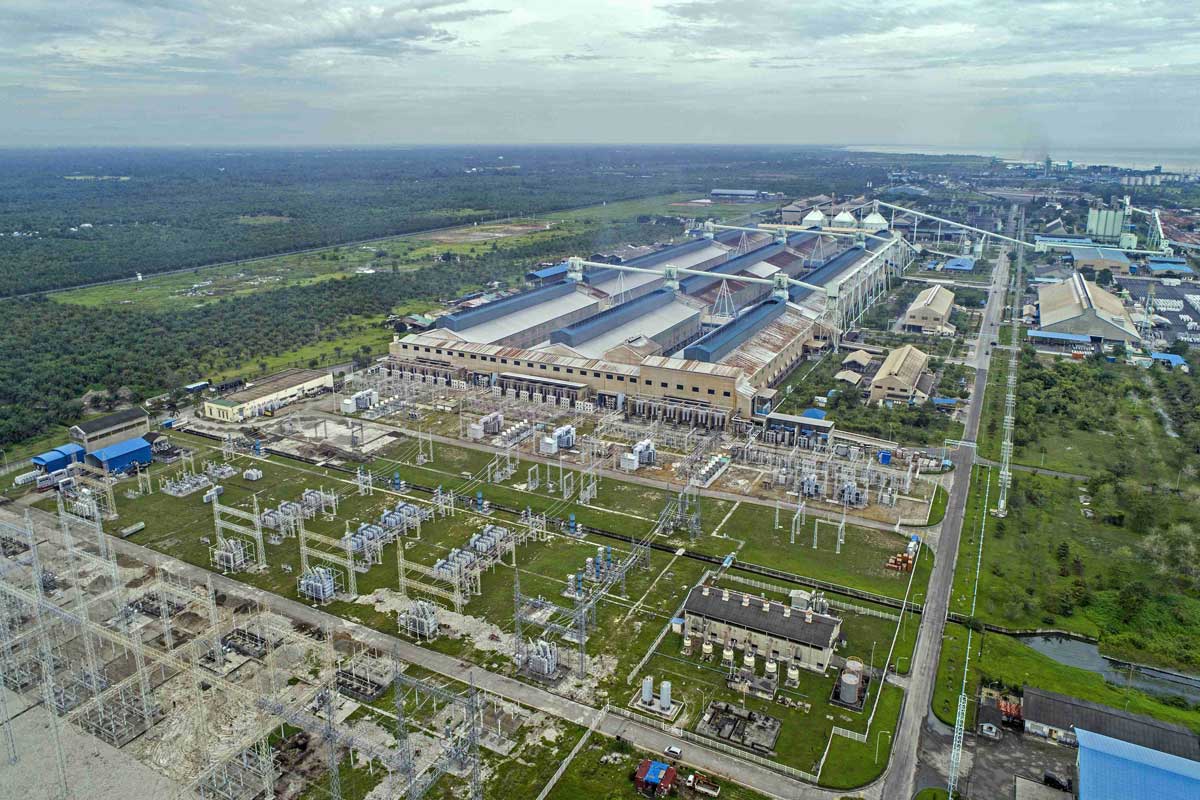
Freeport-McMoRan Inc. has revealed that it will continue exporting copper concentrate until mid-2025 or the second quarter of 2025.This information was shared directly by President & CEO of Freeport-McMoRan, Kathleen Quirk, during the company's Q4-2024 financial performance presentation on Thursday, January 23."We expect the smelter to begin operations by the end of June, but there will be a ramp-up period. So, we will continue to do some exports in the second half of this year, but the volume will decrease significantly," Kathleen said during the Q4 2024 Earnings Conference Call.During the same call, Kathleen mentioned that the Indonesian government had visited the PT Freeport Indonesia (PTFI) smelter site in Gresik, East Java, which had caught fire on October 14, 2024.The visit, she said, demonstrated the government's support for extending Freeport's copper export permit."They (the Indonesian government) have visited the smelter site and indicated support for continuing exports in 2025," she stated.This also follows the obligation for Freeport-McMoRan Inc. (FCX) through PTFI to pay a 7.5% export tax on their copper concentrate if they continue their exports this year."Yes, the current regulation in Indonesia has a 7.5% tax on exports," she added.Furthermore, in 2026, Freeport-McMoRan targets to have its copper smelter in Indonesia fully operational, which would eliminate the obligation to pay the 7.5% export tax."By 2026, it’s zero. Yes, I mean, assuming we have full capacity and no exports, the export tax payments will be zero," she said.When confirmed, a similar statement was made by the VP of Corporate Communications at PT Freeport Indonesia, Katri Krisnati."Based on the plan for the improvement of the PTFI smelter facilities, the ramp-up of operations is expected to begin by the end of the first half of 2025," she told Kontan on Thursday, January 30.On the other hand, Katri also expressed optimism that under the administration of Prabowo Subianto, the request for an extension of copper concentrate exports will be granted."Regarding the plan for copper concentrate exports, we are in discussions with the government, and we are confident that the government will accommodate this plan due to the exceptional circumstances that occurred in October 2024," she explained.Regarding production, PTFI reported an increase in copper production of 1.8 billion pounds, marking an 8.5% rise in 2024 compared to the same period the previous year, which stood at 1.65 billion pounds.

Indonesia to Set Nickel Reference Price Through Futures Exchange
31 Jan 2025, 09:19 AM 3522

Indonesia is now working to optimize its domestic nickel trade by establishing its own reference price. Currently, nickel prices are based on international exchanges, which are vulnerable to fluctuations in global market conditions.The Commodity Futures Trading Regulatory Agency (Bappebti) sees this as an opportunity to strengthen Indonesia’s nickel trading sector. By creating a domestic nickel reference price, Indonesia hopes to reduce dependence on international prices and bring greater stability to its nickel trade.Bappebti’s Head, Tirta Karma Senjaya, mentioned that Indonesia, which holds the world’s largest nickel reserves, needs to be more aggressive in managing its nickel market potential. “By optimizing nickel trade, we can increase national revenue,” he said in a press statement in Jakarta, Friday, January 31, 2025.In line with the government’s efforts to encourage downstream processing, strengthen the domestic market, and stimulate business actors, Bappebti has designed a strategy utilizing commodity futures trading (CFT). One of the main objectives is to create a nickel reference price that no longer relies on the volatility of international markets.Tirta also added that nickel, which was originally widely used in the stainless steel industry, is now increasingly in demand for the production of electric vehicle batteries. With its high price volatility, nickel has become an ideal commodity for trading on the futures exchange.Additionally, data from the United States Geological Survey (USGS) indicates that Indonesia produced 1.8 million tons of nickel in 2023, about 50% of global nickel production, with major production areas in Central Sulawesi, South Sulawesi, Southeast Sulawesi, and North Maluku. This reinforces Indonesia's position as the world's largest nickel exporter.In efforts to expand export markets, Indonesia’s main destinations for nickel include China, Japan, Norway, the Netherlands, and South Korea. Bappebti’s strategic moves in regulating nickel trading are expected to further solidify Indonesia’s position in the global market while also providing a positive impact on the national economy.Nickel Listed Companies SituationOn the other hand, nickel listed companies’ stocks on the Indonesia Stock Exchange (IDX) have been under pressure over the last month due to oversupply in the global nickel market. An analyst from BCA Sekuritas, Muhammad Fariz, predicted an underweight outlook for nickel stocks until next year.Fariz explained that this is driven by high stainless steel production in China and weak demand, which have led to stockpile buildups and impacted the supply of nickel pig iron (NPI). “The prices of NPI and stainless steel are showing signs of limited price recovery,” he said in a recent research note.Similarly, research from CGS International also notes that global nickel supply will continue to exceed demand until 2027, although the gap will narrow at a slower pace. The economic slowdown in China and the real estate market have affected the demand for stainless steel and electric vehicles, which are the main consumers of nickel. Consequently, nickel prices are expected to remain capped, even as they approach production costs.BCA Sekuritas has revised its nickel price projections for 2025-2026, with LME nickel prices estimated at US$17,000 per ton and NPI prices at US$13,418 per ton. Nickel issuer stocks like PT Vale Indonesia (INCO), PT Aneka Tambang (ANTM), and PT Trimegah Bangun Persada Tbk (NCKL) have shown declines since the beginning of the year, with INCO down 15.13%, ANTM down 9.71%, and NCKL down 7.28%.Despite this, BCA Sekuritas has recommended a BUY rating for ANTM with a target price of Rp2,710 per share, INCO with a target price of Rp4,260 per share, and NCKL with a target price of Rp770 per share, although risks to profitability remain high.

BKPM Inaugurates IDR 1.2 Trillion Tin Downstreaming Project in Batam
27 Jan 2025, 09:25 AM 3306

The Ministry of Investment and Downstreaming/Investment Coordinating Board (BKPM) has inaugurated the groundbreaking ceremony for the tin downstreaming project in Batam City. The project, involving an investment of IDR 1.2 trillion, aims to strengthen the national tin processing industry.The Deputy Minister of Investment and Downstreaming/Deputy Head of BKPM, Todotua Pasaribu, stated that the tin processing facility is owned by PT Batam Timah Sinergi (BTS), while the tin solder facility is owned by PT Tri Charislink Indoasia (TCI). In his statement in Jakarta on Saturday, he emphasized the government's commitment to supporting the acceleration of licensing, investment realization, and the development of local human resources."We encourage BTS and TCI to attract more investors as off-takers for their products, so that a sustainable tin industry ecosystem can be created," said Todotua. He stated that this inauguration marks an important milestone in the transformation of the national tin industry, as the facility is expected to become one of the largest in the world.Todotua explained that PT Cipta Persada Mulia, the parent company of BTS and TCI, plays a strategic role in the national tin ecosystem. The company’s activities include tin ore mining through Mining Business Permits (IUP), all the way to tin ingot production at its own smelter. The tin ingot products are then further processed by BTS into tin chemicals and by TCI into tin solder and tin heat stabilizers.In addition to supporting downstreaming, this project also contributes to the even distribution of industrial development outside of Java Island. Batam was chosen due to its strategic location near international trade routes and its adequate logistics infrastructure, which offers an advantage in export-import efficiency for components."Indonesia, as the country with the second-largest tin reserves in the world, must optimize this resource to increase its added value. Downstreaming of tin commodities in Indonesia is necessary to absorb domestic tin ingot production and develop the downstream industry with high global market potential," Todotua added. Downstreaming for Economic GrowthThe Minister of Investment and Head of BKPM, Rosan Roeslani, stated that downstreaming policies are key to achieving economic growth of up to 8 percent."Investment in the downstream sector has contributed 22-23 percent of the total investment in Indonesia over the past two to three years. This shows the significant impact of downstreaming on the economy," he said in a statement in Jakarta last Friday.Rosan cited the example of nickel exports, which in 2017 were valued at only 3.3 billion US dollars. However, the value of exports from processed downstream nickel products increased to 30.4 billion US dollars. In addition to boosting export value, downstreaming also creates quality job opportunities for the Indonesian people. Demographic Bonus and National TransformationThe Deputy Minister of National Development Planning/Deputy Head of Bappenas, Febrian Alphyanto Ruddyard, highlighted the importance of leveraging the demographic bonus, which will peak in 2025. The government has prepared a national transformation strategy based on three pillars: social, economic, and governance.Social transformation includes improving human resource quality through education based on Science, Technology, Engineering, Arts, and Mathematics (STEAM), as well as strengthening vocational education. Meanwhile, economic transformation is focused on creating new sectors, such as green industries and the digital economy. Governance transformation aims to create a conducive investment climate through simplified regulations, including the implementation of the Omnibus Law.The government has also outlined eight priority strategies to support the National Medium-Term Development Plan (RPJMN) for 2025–2029. These strategies include increasing agricultural sector productivity, developing Special Economic Zones (KEK), and accelerating investments in renewable energy and digital transformation.

Advertisement


GET YOUR PASS