Freeport to Continue Copper Concentrate Exports Until Mid-2025
31 Jan 2025, 09:51 AM 4205

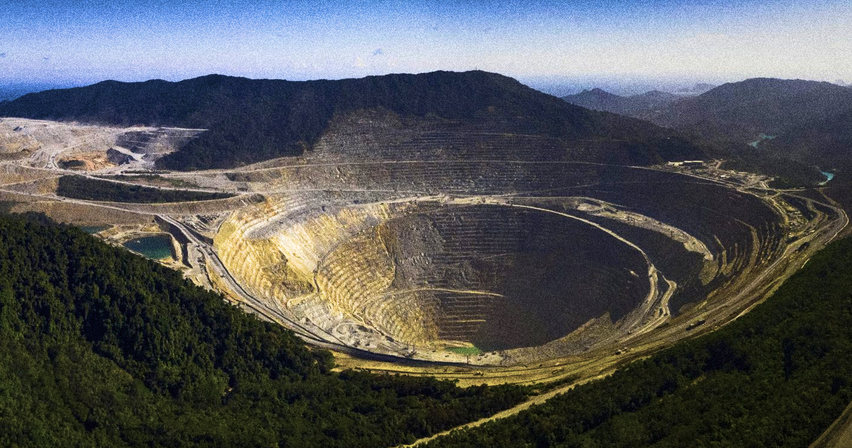
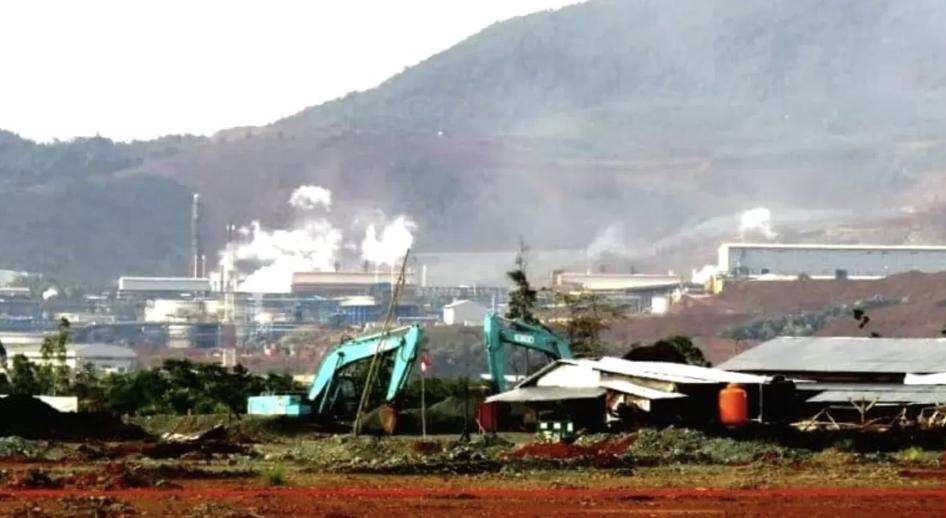
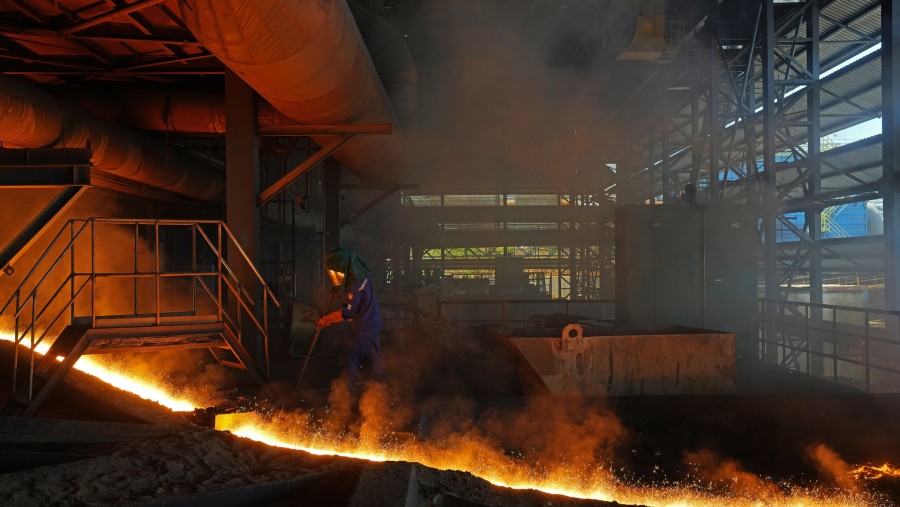
Freeport-McMoRan Inc. has revealed that it will continue exporting copper concentrate until mid-2025 or the second quarter of 2025.This information was shared directly by President & CEO of Freeport-McMoRan, Kathleen Quirk, during the company's Q4-2024 financial performance presentation on Thursday, January 23."We expect the smelter to begin operations by the end of June, but there will be a ramp-up period. So, we will continue to do some exports in the second half of this year, but the volume will decrease significantly," Kathleen said during the Q4 2024 Earnings Conference Call.During the same call, Kathleen mentioned that the Indonesian government had visited the PT Freeport Indonesia (PTFI) smelter site in Gresik, East Java, which had caught fire on October 14, 2024.The visit, she said, demonstrated the government's support for extending Freeport's copper export permit."They (the Indonesian government) have visited the smelter site and indicated support for continuing exports in 2025," she stated.This also follows the obligation for Freeport-McMoRan Inc. (FCX) through PTFI to pay a 7.5% export tax on their copper concentrate if they continue their exports this year."Yes, the current regulation in Indonesia has a 7.5% tax on exports," she added.Furthermore, in 2026, Freeport-McMoRan targets to have its copper smelter in Indonesia fully operational, which would eliminate the obligation to pay the 7.5% export tax."By 2026, it’s zero. Yes, I mean, assuming we have full capacity and no exports, the export tax payments will be zero," she said.When confirmed, a similar statement was made by the VP of Corporate Communications at PT Freeport Indonesia, Katri Krisnati."Based on the plan for the improvement of the PTFI smelter facilities, the ramp-up of operations is expected to begin by the end of the first half of 2025," she told Kontan on Thursday, January 30.On the other hand, Katri also expressed optimism that under the administration of Prabowo Subianto, the request for an extension of copper concentrate exports will be granted."Regarding the plan for copper concentrate exports, we are in discussions with the government, and we are confident that the government will accommodate this plan due to the exceptional circumstances that occurred in October 2024," she explained.Regarding production, PTFI reported an increase in copper production of 1.8 billion pounds, marking an 8.5% rise in 2024 compared to the same period the previous year, which stood at 1.65 billion pounds.

Indonesia to Set Nickel Reference Price Through Futures Exchange
31 Jan 2025, 09:19 AM 3878

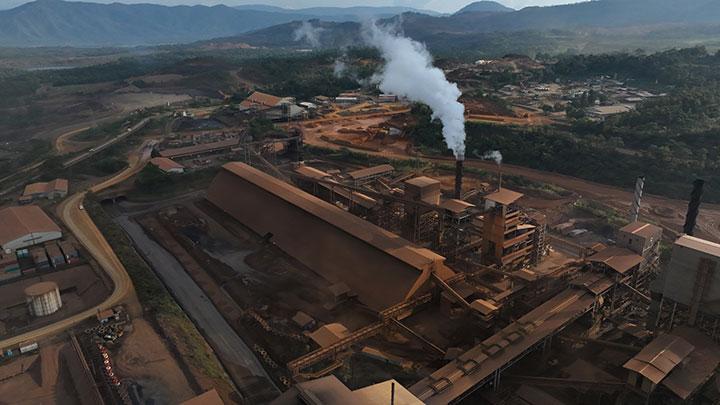
Indonesia is now working to optimize its domestic nickel trade by establishing its own reference price. Currently, nickel prices are based on international exchanges, which are vulnerable to fluctuations in global market conditions.The Commodity Futures Trading Regulatory Agency (Bappebti) sees this as an opportunity to strengthen Indonesia’s nickel trading sector. By creating a domestic nickel reference price, Indonesia hopes to reduce dependence on international prices and bring greater stability to its nickel trade.Bappebti’s Head, Tirta Karma Senjaya, mentioned that Indonesia, which holds the world’s largest nickel reserves, needs to be more aggressive in managing its nickel market potential. “By optimizing nickel trade, we can increase national revenue,” he said in a press statement in Jakarta, Friday, January 31, 2025.In line with the government’s efforts to encourage downstream processing, strengthen the domestic market, and stimulate business actors, Bappebti has designed a strategy utilizing commodity futures trading (CFT). One of the main objectives is to create a nickel reference price that no longer relies on the volatility of international markets.Tirta also added that nickel, which was originally widely used in the stainless steel industry, is now increasingly in demand for the production of electric vehicle batteries. With its high price volatility, nickel has become an ideal commodity for trading on the futures exchange.Additionally, data from the United States Geological Survey (USGS) indicates that Indonesia produced 1.8 million tons of nickel in 2023, about 50% of global nickel production, with major production areas in Central Sulawesi, South Sulawesi, Southeast Sulawesi, and North Maluku. This reinforces Indonesia's position as the world's largest nickel exporter.In efforts to expand export markets, Indonesia’s main destinations for nickel include China, Japan, Norway, the Netherlands, and South Korea. Bappebti’s strategic moves in regulating nickel trading are expected to further solidify Indonesia’s position in the global market while also providing a positive impact on the national economy.Nickel Listed Companies SituationOn the other hand, nickel listed companies’ stocks on the Indonesia Stock Exchange (IDX) have been under pressure over the last month due to oversupply in the global nickel market. An analyst from BCA Sekuritas, Muhammad Fariz, predicted an underweight outlook for nickel stocks until next year.Fariz explained that this is driven by high stainless steel production in China and weak demand, which have led to stockpile buildups and impacted the supply of nickel pig iron (NPI). “The prices of NPI and stainless steel are showing signs of limited price recovery,” he said in a recent research note.Similarly, research from CGS International also notes that global nickel supply will continue to exceed demand until 2027, although the gap will narrow at a slower pace. The economic slowdown in China and the real estate market have affected the demand for stainless steel and electric vehicles, which are the main consumers of nickel. Consequently, nickel prices are expected to remain capped, even as they approach production costs.BCA Sekuritas has revised its nickel price projections for 2025-2026, with LME nickel prices estimated at US$17,000 per ton and NPI prices at US$13,418 per ton. Nickel issuer stocks like PT Vale Indonesia (INCO), PT Aneka Tambang (ANTM), and PT Trimegah Bangun Persada Tbk (NCKL) have shown declines since the beginning of the year, with INCO down 15.13%, ANTM down 9.71%, and NCKL down 7.28%.Despite this, BCA Sekuritas has recommended a BUY rating for ANTM with a target price of Rp2,710 per share, INCO with a target price of Rp4,260 per share, and NCKL with a target price of Rp770 per share, although risks to profitability remain high.

BKPM Inaugurates IDR 1.2 Trillion Tin Downstreaming Project in Batam
27 Jan 2025, 09:25 AM 3629

The Ministry of Investment and Downstreaming/Investment Coordinating Board (BKPM) has inaugurated the groundbreaking ceremony for the tin downstreaming project in Batam City. The project, involving an investment of IDR 1.2 trillion, aims to strengthen the national tin processing industry.The Deputy Minister of Investment and Downstreaming/Deputy Head of BKPM, Todotua Pasaribu, stated that the tin processing facility is owned by PT Batam Timah Sinergi (BTS), while the tin solder facility is owned by PT Tri Charislink Indoasia (TCI). In his statement in Jakarta on Saturday, he emphasized the government's commitment to supporting the acceleration of licensing, investment realization, and the development of local human resources."We encourage BTS and TCI to attract more investors as off-takers for their products, so that a sustainable tin industry ecosystem can be created," said Todotua. He stated that this inauguration marks an important milestone in the transformation of the national tin industry, as the facility is expected to become one of the largest in the world.Todotua explained that PT Cipta Persada Mulia, the parent company of BTS and TCI, plays a strategic role in the national tin ecosystem. The company’s activities include tin ore mining through Mining Business Permits (IUP), all the way to tin ingot production at its own smelter. The tin ingot products are then further processed by BTS into tin chemicals and by TCI into tin solder and tin heat stabilizers.In addition to supporting downstreaming, this project also contributes to the even distribution of industrial development outside of Java Island. Batam was chosen due to its strategic location near international trade routes and its adequate logistics infrastructure, which offers an advantage in export-import efficiency for components."Indonesia, as the country with the second-largest tin reserves in the world, must optimize this resource to increase its added value. Downstreaming of tin commodities in Indonesia is necessary to absorb domestic tin ingot production and develop the downstream industry with high global market potential," Todotua added. Downstreaming for Economic GrowthThe Minister of Investment and Head of BKPM, Rosan Roeslani, stated that downstreaming policies are key to achieving economic growth of up to 8 percent."Investment in the downstream sector has contributed 22-23 percent of the total investment in Indonesia over the past two to three years. This shows the significant impact of downstreaming on the economy," he said in a statement in Jakarta last Friday.Rosan cited the example of nickel exports, which in 2017 were valued at only 3.3 billion US dollars. However, the value of exports from processed downstream nickel products increased to 30.4 billion US dollars. In addition to boosting export value, downstreaming also creates quality job opportunities for the Indonesian people. Demographic Bonus and National TransformationThe Deputy Minister of National Development Planning/Deputy Head of Bappenas, Febrian Alphyanto Ruddyard, highlighted the importance of leveraging the demographic bonus, which will peak in 2025. The government has prepared a national transformation strategy based on three pillars: social, economic, and governance.Social transformation includes improving human resource quality through education based on Science, Technology, Engineering, Arts, and Mathematics (STEAM), as well as strengthening vocational education. Meanwhile, economic transformation is focused on creating new sectors, such as green industries and the digital economy. Governance transformation aims to create a conducive investment climate through simplified regulations, including the implementation of the Omnibus Law.The government has also outlined eight priority strategies to support the National Medium-Term Development Plan (RPJMN) for 2025–2029. These strategies include increasing agricultural sector productivity, developing Special Economic Zones (KEK), and accelerating investments in renewable energy and digital transformation.

Smelter Merah Putih: The Environmentally Friendly Nickel Mine About to Start Operations
24 Jan 2025, 10:33 AM 4532

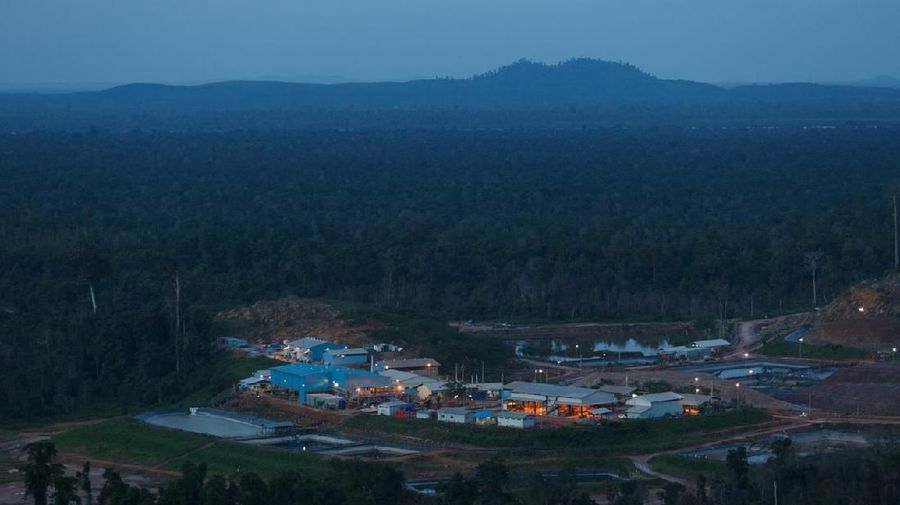
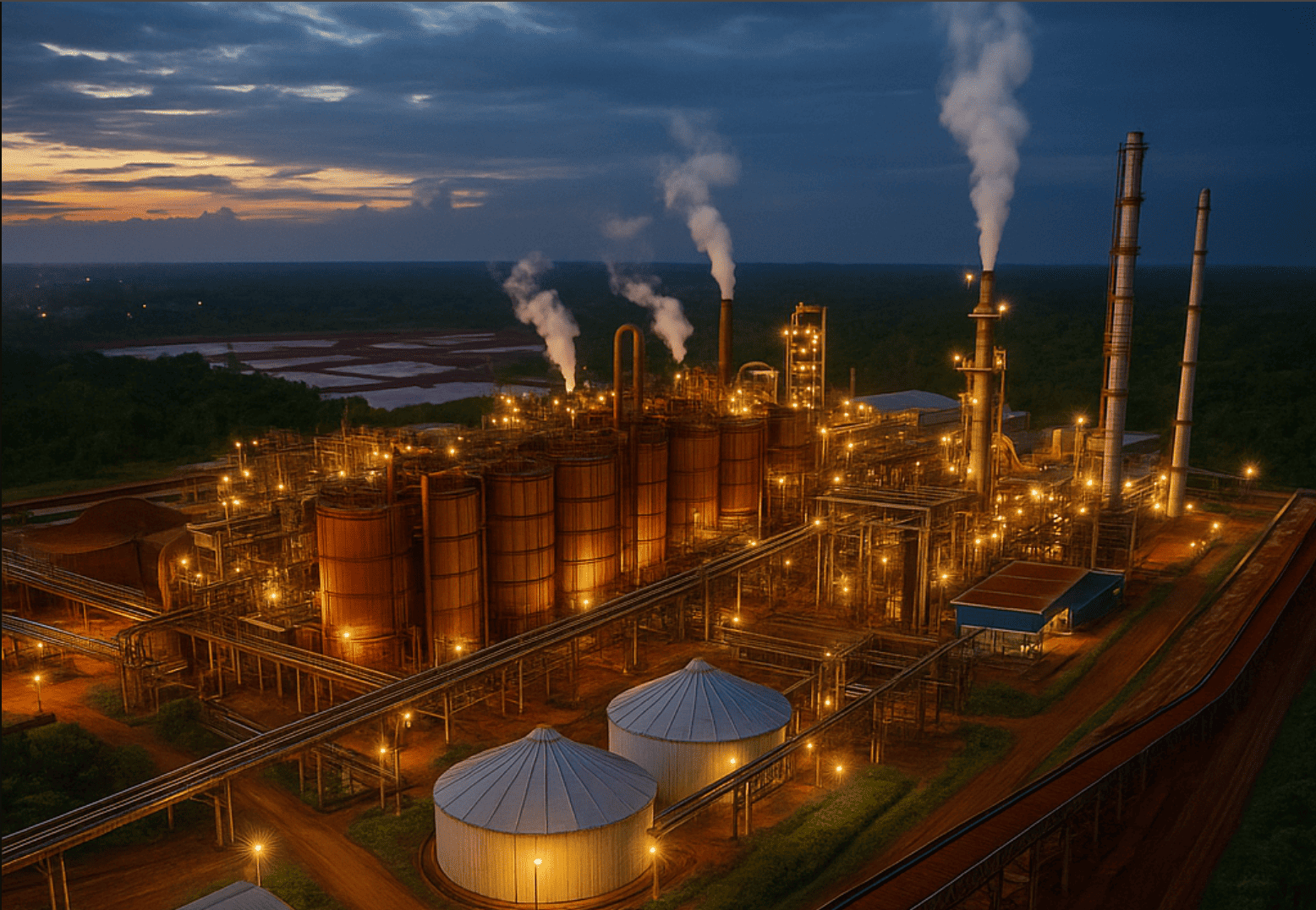
One of the nickel mining industries, the Smelter Merah Putih, will soon begin operations in Kolaka Regency, Southeast Sulawesi. The nickel mining operated by PT Ceria Nugraha Indotama (Ceria Group) is supported by clean energy sourced from the State Electricity Company (PLN)."The Smelter Merah Putih is ready to produce green nickel products that will be absorbed by the global market," said Deputy President Director and Director of Corporate Affairs of Ceria Group, Djen Riza, in a written statement on Friday, January 24, 2025.The Smelter Merah Putih is a National Strategic Project (PSN) and a National Vital Object (Obvitnas). Currently, Ceria Group, which is a domestic investment company (PMDN), is in the final stages of developing a nickel ore processing technology called the Rectangular Rotary Kiln Electric Furnace (RKEF), as well as preparing for the construction of the High-Pressure Acid Leach (HPAL) facility."This Smelter Merah Putih is Ceria’s commitment to implementing the government's downstream program. It is expected to add value as mandated in the 5th and 6th Asta Cita of President Prabowo Subianto, which are to continue the downstream program and promote growth, economic equality, and the eradication of poverty," he said.The Secretary of the Regional Government (Sekda) of Southeast Sulawesi, Asrun Lio, stated that the progress of the Smelter Merah Putih National Strategic Project (PSN) has been very significant. He is optimistic that Ceria's RKEF smelter will be fully operational by April 2025."We are grateful for Ceria Group’s contribution because thousands of people from various ethnic groups across Indonesia are now working at the smelter," said Asrun during his visit to the Smelter Merah Putih Ceria Nugraha Indotama’s PSN progress in Wolo District, Kolaka Regency, Southeast Sulawesi, on Wednesday, January 23, 2025.According to data from the Financial and Development Supervisory Agency (BPKP) Southeast Sulawesi Representative, the construction of the Smelter PT Ceria Nugraha Indotama has reached 97.05%. This project has been under development since 2019.The achievement of the target is measured based on 13 indicators. Some of these include project preparation, land provision, spatial planning, project financing, government guarantees, licensing/non-licensing, prioritization of domestic components, physical construction, project supervision and control, project regulations, job creation, and utilization.Using Clean EnergyAsrun appreciated the use of clean energy by Ceria Group’s smelter, sourced from the Bakaru Hydroelectric Power Plant (PLTA) within PLN’s transmission network. The hydroelectric plant has received a Renewable Energy Certificate (REC).He also directly witnessed the presence of the Floating Power Plant or Barge Mounted Power Plant (BMPP) with a capacity of 2 x 60 MW, which has been docked at the Wolo Special Terminal. This BMPP is already connected to the PLN Kolaka network to ensure the reliability and stability of the Ceria Group smelter’s electricity supply.The Acting Regent of Kolaka, Muh Fadliansyah, commended Ceria for utilizing 100% local labor. "Ceria has made a significant contribution to Kolaka Regency. In fact, now all the people in Wolo have been absorbed as workers in the company," he said.

Harum Energy’s Expansion Plan (HRUM), Allocating USD 400 Million in Capex for 2025
23 Jan 2025, 10:32 AM 7731

PT Harum Energy Tbk (HRUM) is accelerating its expansion in the nickel business. HRUM has set aside a large capital expenditure (capex) budget to develop mining projects and downstream industries.Harum Energy’s Corporate Secretary, Renny Soependi, revealed that in 2025, HRUM has allocated approximately USD 400 million for capex. Just as a reference, that amount is equivalent to IDR 6.51 trillion when converted at the Jisdor exchange rate on Thursday (January 23), which was IDR 16,276 per US dollar.Renny revealed that the majority of the capex will be used for the development of nickel ore mining operations at its subsidiary, PT Position. HRUM is also prioritizing the completion of the High Pressure Acid Leach (HPAL) project at PT Blue Sparking Energy (BSE).Last year, most of HRUM's capex was also allocated to the development of the nickel business unit. By the end of 2024, Renny estimates that HRUM will have absorbed around USD 500 million in capex. This amount includes down payments for the purchase of fixed assets.In line with the aggressive expansion, the nickel business has become a key driver of HRUM's performance. By the end of the first nine months of 2024, the majority of HRUM's consolidated revenue already came from its nickel business unit."The contribution of revenue and profit from the nickel business unit is expected to continue growing in the coming years, in line with the increase in the company's nickel production volume," said Renny on Thursday (January 23).HRUM is targeting an increase in nickel production in 2025. However, Renny did not provide specific details regarding HRUM's production target volume. She only mentioned that the increase in nickel production will be supported by HRUM’s second smelter through PT Westrong Metal Industry (WMI), which will be fully operational.HRUM is also increasing the utilization of its smelter production capacity, as well as boosting nickel ore production from the PT Position mine to make HRUM’s production more integrated. At the same time, HRUM is focused on driving the HPAL project at BSE to proceed according to plan, with contributions expected to start early next year.The progress of the HPAL project is currently over 50%. "For the nickel business unit, we will strive to improve operational efficiency in the ongoing projects, given the challenging commodity market conditions expected this year," explained Renny.As for the coal business, Renny emphasized that HRUM has no plans to acquire new assets in this segment. HRUM will focus on managing and developing its existing assets.HRUM is also maintaining its coal production volume at an optimal level to keep production costs under control. "The company is targeting a slightly lower production volume compared to last year, in line with the new mining plan to better control production costs," said Renny.On the stock movement side, HRUM closed trading on Friday (January 24) with a 4.21% decline, reaching IDR 910 per share.

PBNU Targets First Coal Production Mid-2025
23 Jan 2025, 10:29 AM 4002

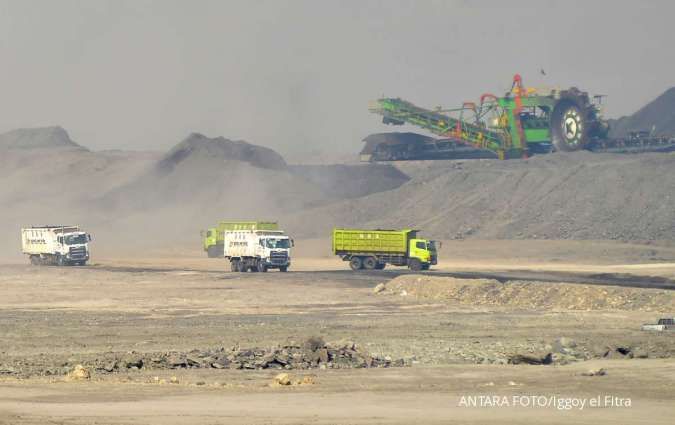
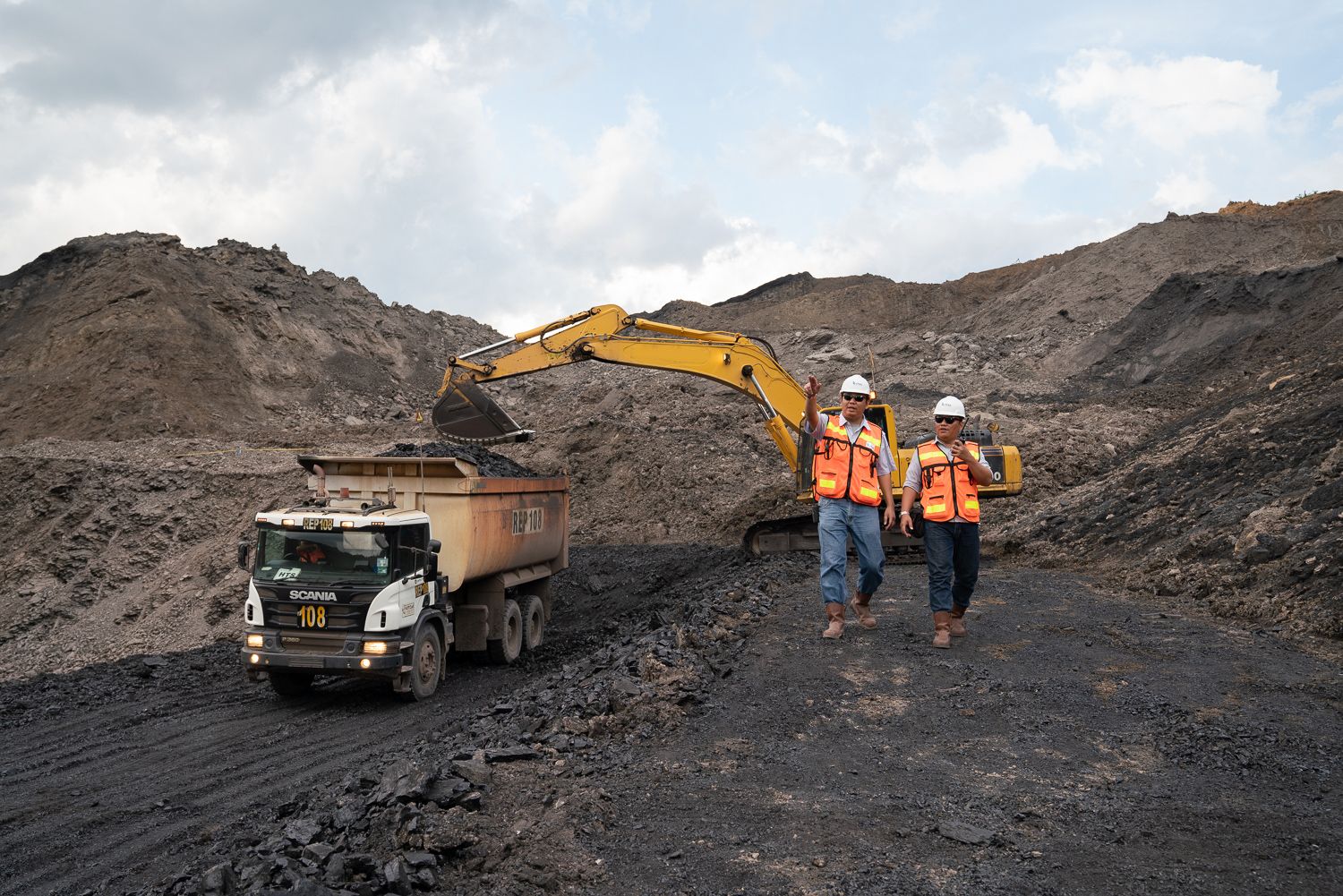
The Executive Board of Nahdlatul Ulama (PBNU) is targeting coal production from the former mining area of the company holding the Coal Mining Business Agreement (PKP2B) of the Bakrie Group, PT Kaltim Prima Coal (KPC), to commence in the middle of this year.PBNU Chairman Ulil Abshar Abdalla stated that they are currently in the early production stage. It is expected that by mid-2025, or at the latest by the end of 2025, the former PKP2B land will begin producing."We are currently in the process of moving towards initial production. God willing, by mid to the end of the year, we will start production. But this year, God willing, we are optimistic and we should be able to produce," said Ulil when he was interviewed by Kontan at the Indonesian Parliament Building in Jakarta, Wednesday (January 22).To develop the mine, Ulil said that they have partnered with a national private company as an investor."We now have a Limited Liability Company (PT), a State-Owned Enterprise of NU, whose shares are owned by a cooperative, but there are also other shareholders. We are collaborating with investors from other parties, actually domestic ones, and they are already on board," he said.Unfortunately, Ulil could not disclose which private company has partnered with NU to develop the former PKP2B mine."We are working with domestic private companies. And now, we just need to follow the process because there are some very strict requirements that we need to fulfill," he added.Despite this, Ulil mentioned that they are still facing challenges related to the Compensation Data Information (KDI), which is paid to obtain data and information regarding mining."This is a large financial contribution that we need to pay to the government, and we are currently negotiating it because the amount is substantial. If possible, we would like to pay it in installments," he explained.For your information, NU is the first religious organization to receive former PKP2B mining land from the government. The former PKP2B land granted to NU is the former KPC mining area covering 26,000 hectares.PT KPC is one of the coal mining entities of PT Bumi Resources Tbk. (BUMI), a publicly listed company owned by the Bakrie Group, which is now jointly controlled with the Salim Group.

Indonesia Joins BRICS: Major Advantages for the Indonesian Mining Industry
21 Jan 2025, 05:05 PM 3496

Jakarta, CNBC Indonesia - The State-Owned Mining Industry Holding MIND ID revealed a number of benefits to the domestic mining sector after Indonesia entered the economic cooperation organization between Brazil, Russia, India, China, South Africa (BRICS).MIND ID Portfolio and Business Development Director Dilo Seno Widagdo said that one of the things that Indonesia could benefit from by joining the organization was opening up potential for cooperation with other BRICS members. "So we don't, in my opinion, have to specifically talk about it in the context of the BRICS organization. But how can we build trade relations with China, how can we build trade relations with India. How can we open trade relations with Brazil," he explained on the sidelines of the MINDialogue Downstream and Industrialization Key Strategy Towards Golden Indonesia 2045, quoted Friday (10/1/2025). "Well, that might be more important, well, these countries are creating a form of transaction with a foreign exchange model that is less dependent on the US$, right? Well, that's actually us, we are open to it if we really have to be able to have a more general transaction," he said. However, Dilo emphasized that Indonesia remains open to collaborating with anyone, even with countries outside of BRICS members. He hopes that BRICS itself will not limit Indonesia from being able to export to any country."Well, in this context, we actually have to maintain our export orientation to China and our export orientation to India. So, I don't think we necessarily have to join BRICS, but we open up relations as widely as possible with anyone. Don't limit it," he emphasized.As is known, the announcement of Indonesia's acceptance into BRICS was delivered by the current holder of the BRICS Presidency, namely Brazil. BRICS was founded in 2009 by Brazil, Russia, India, China, and South Africa. With the joining of Indonesia, BRICS has 11 members, namely Iran, Egypt, Ethiopia, Saudi Arabia, United Arab Emirates (UAE). While the current BRICS partners are Turkey, Algeria, Belarus, Cuba, Bolivia, Malaysia, Uzbekistan, Kazakhstan, Thailand, Vietnam, Nigeria and Uganda.(pgr/pgr)

Advertisement


GET YOUR PASS