ANTAM Aims to Become Key Player in Indonesia’s Nickel Downstreaming
11 Jun 2026, 10:54 AM 424

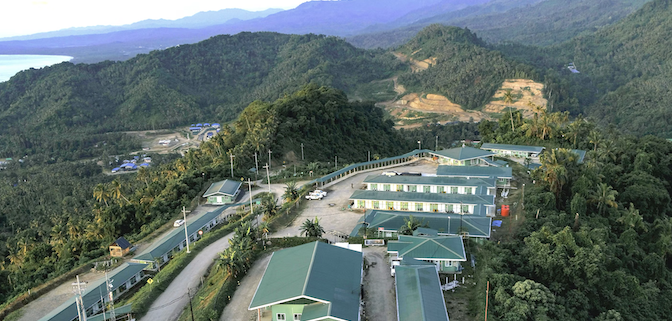
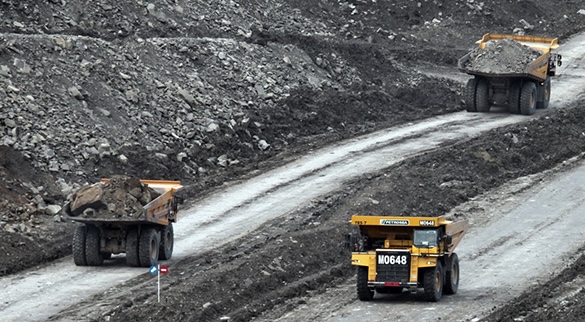
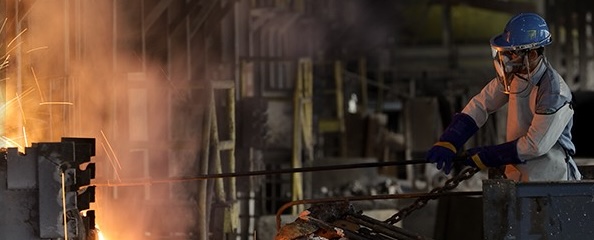
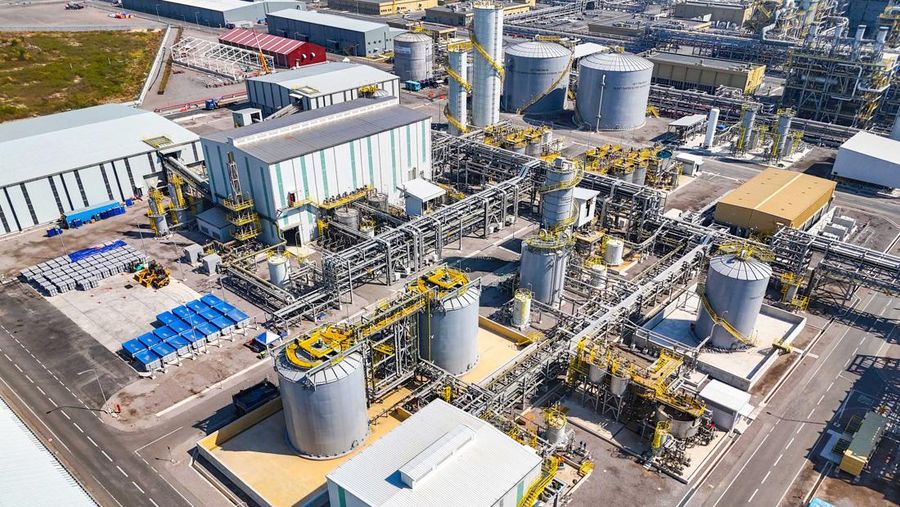
Indonesia's downstreaming, or industrialization, policy for mineral and coal commodities is gaining traction, as reflected in the growing contribution of the processing industry relative to the mining sector.The Directorate General of Minerals and Coal at the Ministry of Energy and Mineral Resources (ESDM) reported that non-tax state revenue (PNBP) from the mineral and coal sector reached IDR 48.95 trillion during the January-April 2026 period. The data indicates that the mineral downstreaming program has contributed to higher state revenue.As of May 15, 2026, the figure had increased to around IDR 56 trillion, representing annual growth of 6.21%. Behind this achievement, several smelters within the MIND ID ecosystem have become key drivers of Indonesia’s mineral processing industry, including PT Aneka Tambang Tbk (ANTM).ANTAM President Director Untung Budiharto said the company remains committed to carrying out special assignments from the government aimed at accelerating the nickel downstreaming program and the development of Indonesia's electric vehicle battery ecosystem.“Through various integrated strategic projects, ANTAM is not only increasing value-added output but also supporting the strengthening of national industrial self-sufficiency and Indonesia’s position in the global industrial supply chain,” he said on Thursday (11/6/2026).The assignment covers the development of an integrated nickel-based battery ecosystem from upstream to downstream, including mining activities, the construction of RKEF/RKSBF plants, HPAL facilities, refineries, precursor and cathode plants, battery cell manufacturing facilities, and battery recycling facilities.The project will be implemented through a partnership between ANTAM and PT Industri Baterai Indonesia (IBI) together with HYD Investment Limited, a consortium comprising Zhejiang Huayou Cobalt Co., Ltd., EVE Energy Co., Ltd., and PT Daaz Bara Lestari Tbk., as strategic partners in developing Indonesia’s integrated electric vehicle battery ecosystem.“The development of this ecosystem is expected to increase the value-added of the nation’s mineral resources, expand the company’s revenue streams, strengthen long-term business resilience, and support sustainable growth for all stakeholders,” Untung said.Throughout 2025, ANTAM's nickel ore production reached 16.11 million wet metric tons (wmt), up 62% from 9.94 million wmt recorded in FY2024. On the sales side, nickel ore sales totaled 14.58 million wmt, representing growth of 75% compared with 8.35 million wmt in 2024.Supported by rising domestic demand, 2025 marked ANTAM's highest nickel ore production and sales performance in more than a decade since the implementation of Indonesia's mineral export ban.Meanwhile, despite regulatory challenges throughout 2025, ANTAM maintained stable ferronickel operations, recording production of 16,064 tons of nickel in ferronickel (TNi) and sales volume of 10,528 TNi.

Freeport Smelter to Resume Operations in Third Quarter of 2026, Reach Full Capacity in 2027
10 Jun 2026, 08:53 AM 810

PT Freeport Indonesia (PTFI) is targeting the resumption of operations at its copper cathode smelter in the Java Integrated Industrial and Port Estate (JIIPE) in Manyar, Gresik, East Java, in the third quarter of 2026.The company had previously aimed to restart the Manyar smelter in the second quarter of 2026 after operations were suspended due to reduced concentrate supply from the Grasberg Block Cave (GBC) underground mine.PTFI President Director Tony Wenas said the smelter is expected to restart in the third quarter of 2026 and gradually increase production capacity in line with ongoing recovery efforts at the GBC underground mine.“The ramp-up will begin in the third quarter, depending on concentrate availability. Full operations will follow the same timeline as GBC. The smelter can only operate at full capacity once concentrate supply returns to normal,” Tony told reporters at the House of Representatives complex on Wednesday.During the same occasion, Tony said the GBC underground mine is expected to return to 100% operational capacity by the end of 2027 following remediation work after a landslide disrupted operations.The company targets the mine's recovery to reach 65% capacity in the second half of 2026 and 75% in the first half of 2027.“In the second half of this year, we expect to reach 65%. In the first half of next year, it should reach 75%, and by the end of the year we are targeting close to 100%,” Tony said.Previously, Tony explained that utilization rates at the Manyar smelter had reached 70% in August 2025 before production was halted following the landslide at GBC in early September 2025.“The new smelter in Manyar, Gresik, will remain offline through the end of the year. The plan is to resume production in the second quarter of 2026,” Tony said during a hearing with the House of Representatives’ Commission VI on November 24, 2025.Meanwhile, two of Freeport’s underground mines — Big Gossan and the Deep Mill Level Zone (DMLZ) — have resumed operations.The two mines currently produce around 70,000 tonnes of concentrate per day, equivalent to approximately 30% of Freeport’s total mining capacity of 210,000 tonnes per day.Tony said all concentrate produced by the two mines is being supplied to PT Smelting’s facility in Gresik, East Java.The Manyar smelter, meanwhile, is currently processing anode slime, a byproduct generated by PT Smelting. The material is refined to extract gold, silver, and other associated minerals.Freeport’s first smelter, PT Smelting, was established in 1996 through a partnership with a Japanese consortium and is operated by Mitsubishi. Located in Gresik, East Java, it was Indonesia’s first copper smelter.PT Smelting is capable of processing 1 million tonnes of copper concentrate annually into 300,000 tonnes of copper cathodes to meet domestic and export demand.Freeport’s second smelter is located within the JIIPE industrial estate in Manyar, Gresik. Construction began in October 2021 but was delayed by the Covid-19 pandemic before the facility was officially inaugurated on June 27, 2024.The facility is the world’s largest single-line copper cathode smelter by design and is capable of processing up to 1.7 million tonnes of copper concentrate annually once fully operational.The smelter is equipped with a refinery unit, precious metals refinery, oxygen plant, sulfuric acid plant, desalination facility, and effluent and wastewater treatment systems to maximize the utilization of raw materials, byproducts, and waste while achieving a highly efficient smelting and refining process.However, less than three weeks after its inauguration, the smelter suffered a fire incident that forced the company to suspend production and undertake repairs.Following the incident, the government granted Freeport permission to continue exporting copper concentrate in 2025. The export permit was valid for six months, from March 17, 2025, to September 16, 2025.

BUMI Builds the Foundation for Coal Downstreaming
05 Jun 2026, 09:51 AM 552

PT Bumi Resources Tbk (BUMI) is preparing a new strategic financing initiative through a planned bond issuance, with one of the key allocations amounting to IDR 1.5 trillion earmarked for its subsidiary, PT Arutmin Indonesia.BUMI's management said the funds will be used to support Arutmin's operational sustainability, including requirements related to the extension of its mining business licenses and compliance with the government's coal downstreaming policy.The downstreaming initiative forms part of BUMI's long-term strategy to develop higher-value-added businesses, including coal-to-methanol conversion projects. The coal gasification project is expected to require investment of approximately USD 2.5 billion, or around IDR 43 trillion, making access to financing a critical factor in its development.The planned facility is designed to produce around 2 million tons of methanol annually and will require approximately 7.7 million tons of low-calorific-value coal as feedstock. Groundbreaking is targeted for 2026, with commercial operations expected to commence in 2029.The project will be developed through PT Bumi Etam Chemical (BEC), a joint venture between Arutmin and PT Kaltim Prima Coal (KPC), both of which are part of the BUMI Group.Ryan Santoso, an analyst at Ciptadana Sekuritas, said the establishment of BEC demonstrates that BUMI's downstreaming agenda has moved into a more advanced and tangible stage."The loan from BUMI to Arutmin is an affiliated-party transaction that has a strong business rationale and remains aligned with the objective of creating added value for shareholders," Ryan said on Friday (June 5, 2026).According to Ryan, the funds are not intended solely to meet short-term operational requirements but are aimed at supporting the long-term sustainability of mining assets while preparing strategic projects that could unlock new growth drivers in the future."The intended use of proceeds is relatively clear. In addition to supporting the sustainability of the mining business, the funding also forms part of the preparation for downstream projects that have the potential to increase value-added output and diversify the group's revenue streams," he said.Ryan added that intercompany lending within a corporate group is a common financing practice because it offers flexibility and efficiency in capital management. Through such mechanisms, a parent company can allocate funding more quickly to meet the development needs of its subsidiaries.In his view, the move could also be interpreted as a signal that BUMI is gradually preparing a broader business transformation—from a company primarily known as a coal producer into a natural resources group with greater exposure to processing and downstream industries.

Tin Prices Surge 34%, Boosting Indonesia’s Tin Downstream Industry
04 Jun 2026, 04:28 PM 664

The sharp increase in global tin prices during the first quarter of 2026 has provided a positive boost for Indonesia’s tin industry and created new opportunities to accelerate downstream development within the country.The average Cash Settlement Price (CSP) for tin on the London Metal Exchange (LME) reached USD 48,679.68 per metric ton in the first quarter of 2026, representing a 34.7 percent increase from USD 36,134.37 per metric ton in the corresponding period last year.On the demand side, approximately 50 percent of global tin consumption continues to be driven by the solder segment, which is closely linked to the semiconductor and electronics industries. Demand prospects remain robust, supported by the rapid growth of artificial intelligence (AI), data center expansion, energy storage development, and ongoing investment in power infrastructure.According to the CRU Tin Monitor, global refined tin production totaled 90,645 tons in the first quarter of 2026, while consumption was estimated at 89,036 tons, indicating a relatively balanced market.Against this backdrop, PT Timah (Persero) Tbk (TINS), a member of state-owned mining holding company MIND ID, reported revenue of Rp5.47 trillion in the first quarter of 2026. The figure surged 160.5 percent from IDR 2.10 trillion recorded in the same period a year earlier.Lukman Leong, Chief Analyst at Doo Financial Futures, attributed the stronger performance to improving conditions in the global tin industry.“Tin sector performance has been supported by rising global tin prices, improved export activity, higher production levels, operational efficiencies, and lower cost burdens in several areas,” he said.Operationally, TINS produced 6,312 tons of tin ore (Sn) during the first quarter of 2026, an increase of 96 percent compared with 3,225 tons in the same period last year.Refined tin production also rose 82 percent to 5,630 metric tons of tin from 3,095 metric tons a year earlier. Meanwhile, tin metal sales climbed 113 percent to 6,009 metric tons, up from 2,824 tons in the first quarter of 2025.The company also recorded a significant increase in its average selling price for tin metal, which reached USD 49,221 per metric ton, up 51 percent from USD 32,495 per metric ton in the same period last year.Exports continued to dominate sales, accounting for 97 percent of total revenue. China remained the largest export destination, representing approximately 48 percent of the company’s overseas sales.Amid the stronger market environment, MIND ID has continued to promote the transformation of Indonesia’s tin industry through the expansion of downstream processing initiatives. Tin is no longer viewed solely as an export commodity but as a strategic resource for the development of higher-value industries.Expanding Downstream ProductsThe development of downstream products—including solder, tin chemicals, and electronic materials—has become a key focus area aimed at strengthening Indonesia’s position in global supply chains while increasing domestic value creation.Consolidating the National Tin IndustryAs the controlling shareholder of TINS with a 65 percent ownership stake, MIND ID serves as the consolidator of Indonesia’s tin industry, seeking to ensure that the country’s strategic resources are managed in an integrated manner from upstream mining activities through downstream processing and manufacturing.Through this strategy, downstream development is expected to strengthen the competitiveness of Indonesia’s tin industry while enhancing the mining sector’s contribution to the national economy.

Petrindo (CUAN) Targets Top Six Indonesian Coal Producers, Aims for 30 Million Tons Output by 2031
02 Jun 2026, 04:29 PM 841

PT Petrindo Jaya Kreasi (CUAN) continues to accelerate its expansion in the mining and energy sectors. Throughout 2025, the company, reported revenue of USD 1.21 billion, up 51.63% from USD 801.72 million in the previous year. The company's EBITDA also increased 24.49% to USD 404.62 million.Alongside its strong financial performance, Petrindo has intensified its transformation into an integrated mining and energy group through a planned acquisition of PT Singaraja Putra Tbk (SINI), a transaction being carried out through the company's affiliated entities, including PT Petrosea Tbk (PTRO).In December 2025, Petrindo, through its subsidiary PT Kreasi Jasa Persada and affiliated entities, indirectly acquired a 19.99% stake in SINI and is currently participating in the company's rights issue. Upon completion of all transactions, Petrindo and its affiliates are expected to hold at least a 29% ownership stake in SINI.The acquisition forms part of the company's long-term strategy to strengthen its asset base, expand its business network, and build an integrated mining and mining services group. On a technical basis, the combined coal reserves of the company and its subsidiaries are projected to reach approximately 378 million tons.Petrindo President Director Michael said the expansion alongside Singaraja Putra is expected to significantly increase the group's production capacity over the coming years."Through Petrindo's expansion together with its subsidiaries and Singaraja Putra, we project that production will gradually increase to exceed 30 million tons per year by 2031. This has the potential to position the group among Indonesia's six largest coal producers based on annual production volume," he said on June 2, 2026.According to the company, the strategic value of the transaction extends beyond additional reserves and higher production volumes. It is also expected to strengthen Petrindo's integrated business model, which combines resource ownership, Petrosea's operational capabilities, and logistics infrastructure capable of handling large-scale annual volumes.Under this model, increased production is expected to directly boost utilization rates across the group's mining roads, ports, and logistics facilities. The company said the synergy between mining assets and logistics infrastructure is a key driver of value creation throughout its mining business chain.Operationally, Petrindo and its subsidiaries also plan to expand mining road infrastructure to support all-weather road operations, deploy double-trailer hauling systems, and develop electric vehicle (EV) truck fleets to improve logistics efficiency and operational productivity.Through the acquisition of SINI, the company believes integration between mining assets, mining services, and logistics infrastructure will become increasingly robust within a single interconnected business platform.

AMMAN’s Copper Processing Innovation Gains Global Recognition
02 Jun 2026, 04:26 PM 585

An innovative copper-processing solution developed by AMMAN in Sumbawa, utilizing Controlled Potential Sulfidisation (CPS) technology combined with Oxidation Reduction Potential (ORP) sensors, has received international recognition. Didit and his colleagues from the Metallurgy team at the Batu Hijau processing plant have continuously sought innovative ways to enhance value creation in mining operations. Their drive for improvement stems from the positive workplace culture fostered by PT Amman Mineral Nusa Tenggara (AMMAN), one of Indonesia’s largest copper and gold mining companies.Drawing on their technical expertise, the team focused on improving copper recovery rates. Higher recovery means a greater proportion of copper contained in mineral ore can be converted into concentrate products, while reducing the amount lost to tailings.The ore processed at Batu Hijau may come either directly from mining operations or from stockpiles—ore that has been previously mined and stored for future production requirements. Processing stockpiled ore presents a particular challenge because prolonged exposure to the environment causes oxidation, which can reduce copper recovery rates when the material is processed through the flotation plant. If left unaddressed, declining recovery levels can gradually erode the economic value of stockpiled ore over time.Driven by a commitment to continuous improvement, Didit and his colleagues developed an innovative solution to address this issue through the implementation of Controlled Potential Sulfidisation (CPS) enhanced by Oxidation Reduction Potential (ORP) sensor technology.The innovation significantly increased copper recovery rates. Notably, the improved performance was achieved while reducing chemical consumption by as much as 18.3 percent. The result represents a tangible example of more efficient and productive operations, where technology optimizes resource utilization while lowering operating costs.Precision and Consistency Behind CPS TechnologyControlled Potential Sulfidisation (CPS) is a process designed to enhance the flotation performance of copper-bearing minerals, enabling them to be separated and recovered more effectively. The AMMAN Metallurgy team integrated Oxidation Reduction Potential (ORP) sensor technology to monitor the chemical condition of processing slurry in real time. The system provides more accurate operational data, allowing metallurgists to precisely control the dosage of sodium hydrosulfide (NaHS), the activating reagent added to the slurry.Much like seasoning in cooking, the reagent must be added in the correct amount. With precise dosing, copper minerals that were previously difficult to recover become more readily recoverable during flotation. Flotation is the process by which copper- or gold-bearing minerals attach to air bubbles and rise to the surface, allowing them to be separated from waste material.International RecognitionThe success of the innovation was documented in a technical paper presented in Adelaide, Australia, at one of the mineral processing industry's most prestigious metallurgical conferences, where global experts gather to exchange knowledge and best practices in mineral plant design and operations.Representing AMMAN, Didit and his colleagues received significant recognition when their paper was awarded the conference’s “Best Paper” honor. The achievement demonstrates that innovation originating from Sumbawa and developed by local Indonesian talent is capable of competing and being recognized at the international level.As a native of West Sumbawa, Didit said the innovation was made possible by an environment that actively encourages improvement and creativity. “At AMMAN, we are constantly encouraged to keep improving and never become complacent. A highly supportive work culture, strong teamwork, and leadership support were all key factors behind this innovation. The company provides broad opportunities for us to continue innovating and developing the most effective systems. For me, this is proof that local talent from West Sumbawa can produce technical achievements that earn global recognition,” Didit said.

Aneka Tambang (ANTM) to Channel Ferro Alloy Exports Through Single-Window DSI System
02 Jun 2026, 04:25 PM 642

PT Aneka Tambang Tbk (ANTM) has expressed its readiness to support the government’s single-gate export policy under the supervision of PT Danantara Sumberdaya Indonesia (DSI). Ferroalloys—one of three strategic natural resource commodities designated for export monitoring through DSI—are among the products affected by the new mechanism.Antam Corporate Secretary Wisnu Danandi Haryanto said the company produces ferroalloys in the form of ferronickel (FeNi). The product is manufactured at Antam’s nickel processing and refining facilities (smelters) operated by its Nickel Mining Business Unit (UBPN) in Kolaka and Pomalaa, Southeast Sulawesi.For 2026, Antam has set a ferronickel production target of approximately 18,000 tonnes of nickel contained in ferronickel (tNi). At present, the majority of the company’s ferronickel output is sold to export markets, primarily China, South Korea, and India, as well as several European countries in smaller volumes.“In principle, Antam supports the Government’s efforts to strengthen the governance of trade and exports of Indonesia’s strategic commodities, including policies aimed at improving efficiency, transparency, and the competitiveness of the country’s exports. Fundamentally, Antam has no objection to the policy,” Wisnu told Kontan.co.id on Tuesday (June 2, 2026).Wisnu noted that Antam’s ferronickel exports have so far been conducted in accordance with all applicable laws and regulations, including licensing requirements and export governance provisions established by the Government. Consequently, the company is prepared to adjust its export procedures in line with the new policy framework.He emphasized that any adjustments would be implemented while safeguarding operational continuity, maintaining strong customer relationships, and supporting national efforts to enhance value-added processing and strengthen Indonesia’s export competitiveness.Wisnu added that Antam’s business remains overwhelmingly focused on the domestic market. “Approximately 97% of Antam’s sales are directed to the domestic market, meaning the company’s export share remains relatively limited,” he said.As previously reported, the Government has begun implementing a new reporting mechanism for exports of three strategic natural resource commodities: coal, palm oil, and ferroalloys. The transition period commenced on Monday, June 1, 2026.Under the policy, exporters are required to report their export activities for these commodities to DSI. The transition phase will remain in effect until the Government conducts an evaluation after the first three months of implementation.The results of that evaluation will serve as the basis for the next stage of the program. The Government aims to fully implement the DSI-supervised export mechanism no later than January 1, 2027.

Vale Indonesia (INCO) to Distribute USD 45.64 Million Dividend
02 Jun 2026, 04:24 PM 928

PT Vale Indonesia Tbk held its Annual General Meeting of Shareholders (AGM) in a hybrid format on Tuesday (2 June 2026).Shareholders approved all six agenda items, reaffirming the company’s financial discipline, long-term growth commitment, and strong governance stance amid challenging global nickel price dynamics.  For full-year 2025, INCO reported resilient operational performance, posting a 32% increase in net profit to USD 76 million. Revenue rose 4% to USD 990 million, while EBITDA reached USD 228 million. The company also maintained relatively stable cash cost of sales for nickel matte. During the AGM, shareholders approved a total cash dividend of USD 45,638,211, representing a 60% payout ratio of fiscal year 2025 net profit. The dividend will be distributed to shareholders recorded as of 12 June 2026, with payment scheduled for 26 June 2026. The remaining net profit will be retained as earnings to support future business development. On governance matters, the meeting accepted the resignations of Emily Olson as Vice President Commissioner and Christopher McCleave as Commissioner, and expressed appreciation for their contributions during their respective tenures. Shareholders also approved the appointment of Kristina Gauthier as Vice President Commissioner, Patricia Renee Pegues as Commissioner, and Adam MacMillan as Commissioner. The board changes reflect INCO’s commitment to strengthening an adaptive and integrity-driven leadership structure capable of navigating the increasingly dynamic critical minerals industry, while ensuring continuity in its transformation agenda and strategic project development. Following these appointments, INCO’s updated Board of Directors and Board of Commissioners are as follows:   Board of Directors:President Director & Chief Executive Officer : Bernardus IrmantoVice President Director & Chief Operation and Infrastructure Officer: Abu AsharDirector & Chief Human Capital Officer: Heriyanto Agung PutraDirector & Chief Sustainability and Corporate Affairs Officer: BudiawansyahDirector & Chief Financial Officer: Rizky Andhika PutraDirector & Chief Project Officer: Muhammad AsrilDirector & Chief Strategy and Technical Officer: Slamet SugihartoBoard of Commissioners:President Commissioner: F.S. MulthazarVice President Commissioner: Kristina GauthierCommissioners: Patricia Renee PeguesCommissioners: Adam MacMillanCommissioners: M. Jasman PanjaitanCommissioners: Katherina Anggela OendunCommissioners: Shiro ImaiIndependent Commissioners: RudiantaraIndependent Commissioners: Retno MarsudiIndependent Commissioners: Marita AlisjahbanaIn addition, in line with past practice, PT Vale Indonesia Tbk proposed delegating authority to the Board of Commissioners—subject to prior recommendations from the company’s Governance, Nomination, and Remuneration Committee—to determine the 2026 financial year honorarium and related compensation policies (excluding honorarium) for members of the Board of Commissioners for fiscal year 2025, as well as the 2026 salaries and benefits for members of the Board of Directors. Lastly, the AGM approved the appointment of Yusron Fauzan and the public accounting firm Rintis, Jumadi, Rianto & Rekan (a member firm of PricewaterhouseCoopers), registered with Indonesia’s Financial Services Authority (OJK), as independent auditors for the audit of the company’s financial statements for the year ending 31 December 2026, as well as for any other required audit assignments. President Director and CEO of Vale Indonesia, Bernardus Irmanto, said that despite global industry challenges, INCO had maintained solid operational performance, strengthened profitability, and continued its transformation into a more integrated and sustainable critical minerals mining company. “The dividends we have approved today, along with progress in our HPAL projects, reflect our confidence in Indonesia’s long-term position as a source of low-carbon, responsibly produced nickel for the global energy transition,” he said in a written statement on Tuesday (2 June 2026).INCO also reaffirmed its commitment to best-in-class mining practices, responsible downstream development, and long-term value creation for the country and all stakeholders.

Harita Nickel (NCKL) Boosts Operational Efficiency to Navigate Global Nickel Industry Dynamics
02 Jun 2026, 04:21 PM 589

Harita Nickel (NCKL) is preparing a range of strategies to navigate global nickel industry dynamics in 2026.The integrated nickel producer said it will continue implementing disciplined operations across its end-to-end value chain, from mining activities to downstream processing.Head of Investor Relations Lukito Gozali said NCKL is maintaining operational efficiency and responsible business practices amid increasingly challenging industry conditions.“The global nickel industry is currently very dynamic and full of challenges. Our focus is to ensure operations remain efficient, measured, and responsible,” Lukito said in a written statement over the weekend.He added that integration from mining to processing allows the company to better manage productivity and operational effectiveness, while still prioritizing governance standards and long-term sustainability.On performance, NCKL booked revenue of IDR 29.63 trillion in 2025 and IDR 6.81 trillion in the first quarter of 2026. Lukito said the company will continue running its operations in a disciplined manner amid uncertain market conditions.From an operational standpoint, he noted that all production lines are currently running according to targets, covering nickel ore mining, pyrometallurgical processing via Rotary Kiln Electric Furnace (RKEF), and hydrometallurgical processing through High Pressure Acid Leaching (HPAL), which produces mixed hydroxide precipitate (MHP) and nickel sulphate.“The company maintains a disciplined operational approach across the entire value chain in response to the increasingly volatile market environment,” he added.NCKL is also continuing the gradual rollout of renewable energy initiatives, including the development of a 40 megawatt-peak (MWp) solar power plant and a 50 MW waste heat recovery power facility linked to its HPAL operations.In addition, the company is developing an Energy Management System aligned with ISO 50001 standards to ensure more structured and sustainable energy efficiency.The company has also entered the corrective action phase under evaluation based on the Initiative for Responsible Mining Assurance (IRMA) standards.It is preparing for an audit under the Responsible Minerals Assurance Process (RMAP) Supply Chain Due Diligence Plus (SCDDP) module as part of its broader ESG strengthening efforts and responsible supply chain practices.“Harita Nickel continues to strengthen its commitment to reducing carbon emissions toward net zero by 2060,” Lukito said.In the first quarter of 2026, NCKL reported avoided emissions of 977,278 tonnes of CO2 equivalent, up 37% from the same period last year. The improvement was driven by waste heat recovery, biodiesel usage, and coal gasification technology.Lukito said the company’s integrated model from mining to processing enables stronger productivity, improved operational efficiency, and greater resilience in facing future industry developments.“Amid an increasingly dynamic and challenging industry environment, the company will remain focused on efficiency, operational optimisation, and strengthening long-term competitiveness,” he said.

MDKA Begins 3,600-Meter Deep Drilling at Pani Gold Mine, Targeting Additional Resources
02 Jun 2026, 01:28 PM 758

PT Merdeka Gold Resources Tbk (EMAS) has commenced a 3,600-meter diamond deep drilling program at the Pani Gold Mine in Gorontalo. The development is considered significant as it could potentially increase the company’s mineral resources and extend the long-term development prospects of the mine.Based on an official press release dated May 29, 2026, the initial drilling program consists of six drill holes aimed at testing the continuation of gold mineralization at deeper levels. Currently, one drilling rig is already in operation, while a second rig is scheduled to begin operating next month. The company stated that the program could be expanded if early results indicate positive potential.The Pani Gold Mine currently holds estimated mineral resources of 291.5 million tons with a gold grade of 0.75 grams per ton, equivalent to approximately 7 million ounces of gold. The estimate comes from a 135-hectare exploration area, which forms part of the company’s total concession area of 14,670 hectares. EMAS is a gold mining company majority-owned by PT Merdeka Copper Gold Tbk (MDKA).EMAS Expands Exploration Agenda in GorontaloMerdeka Gold Resources President Director Boyke Abidin stated that the deep drilling program is being carried out alongside the commencement of production at the Pani Mine. According to the company, the initiative forms part of its long-term resource development strategy and efforts to optimize the gold mine’s potential in the region.In addition to Pani, the company has also completed an initial drilling program at Kolokoa consisting of 54 drill holes with a total depth of 11,701.6 meters. With an exploration cost of approximately USD 2.4 million, EMAS has set an exploration target for Kolokoa of between 20 million and 40 million tons with gold grades ranging from 0.3 g/t to 0.5 g/t.The company also plans to begin drilling activities at Lone Pine in the second half of 2026, alongside geophysical surveys using Mobile Magnetotelluric and helicopter-based airborne magnetic surveys scheduled for June or July 2026. The latest drilling results and updated resource estimates will be announced after review in accordance with the JORC Code 2012 and KCMI 2017 standards.Summary of EMAS Exploration ProgramSource: www.bareksa.comUpcoming Exploration Agenda• The second drilling rig is scheduled to begin operations next month• Kolokoa’s maiden resource estimate is targeted for release in the second quarter of 2026• Lone Pine drilling activities are set to begin in the second half of 2026• Airborne geophysical surveys are planned for June–July 2026• Exploration evaluations will follow JORC 2012 and KCMI 2017 standardsKey Investor Considerations• The exploration program has the potential to increase EMAS’ mineral resource base• Additional reserves could support the mine’s long-term operational outlook• Exploration activities reflect the company’s aggressive asset development strategy• Drilling results still require validation and official resource estimationConclusionThe deep drilling program at the Pani Gold Mine reflects EMAS’ continued efforts to strengthen the development of its core gold assets. The focus on deeper exploration areas has attracted market attention due to its potential to expand mineral resources.Investors may continue monitoring drilling progress, new resource estimates, and the implementation of the company’s broader exploration agenda throughout 2026. These developments could influence EMAS’ long-term operational and growth prospects.

Advertisement